Ultimate Snickerdoodle Cookie from Scratch
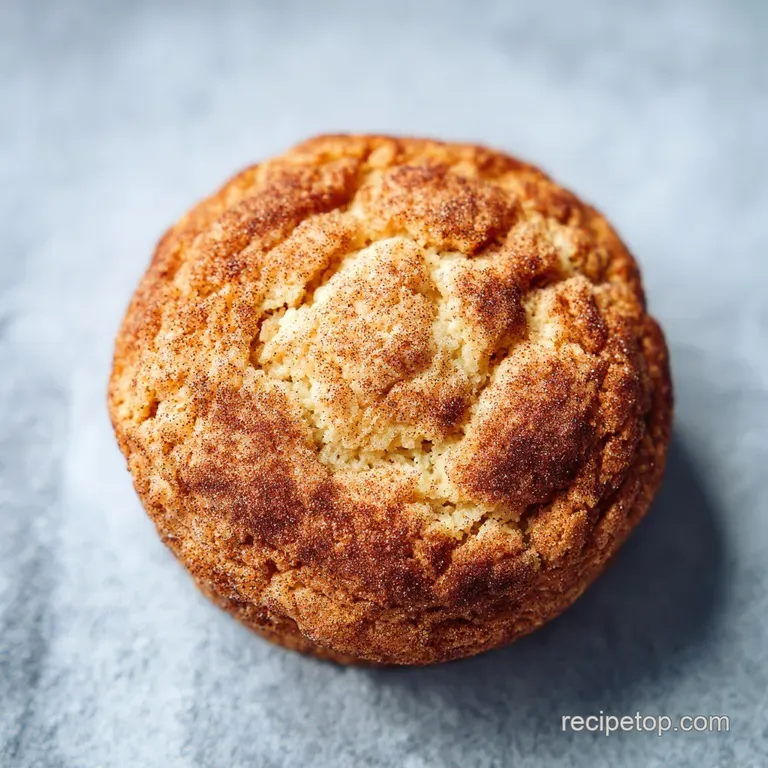
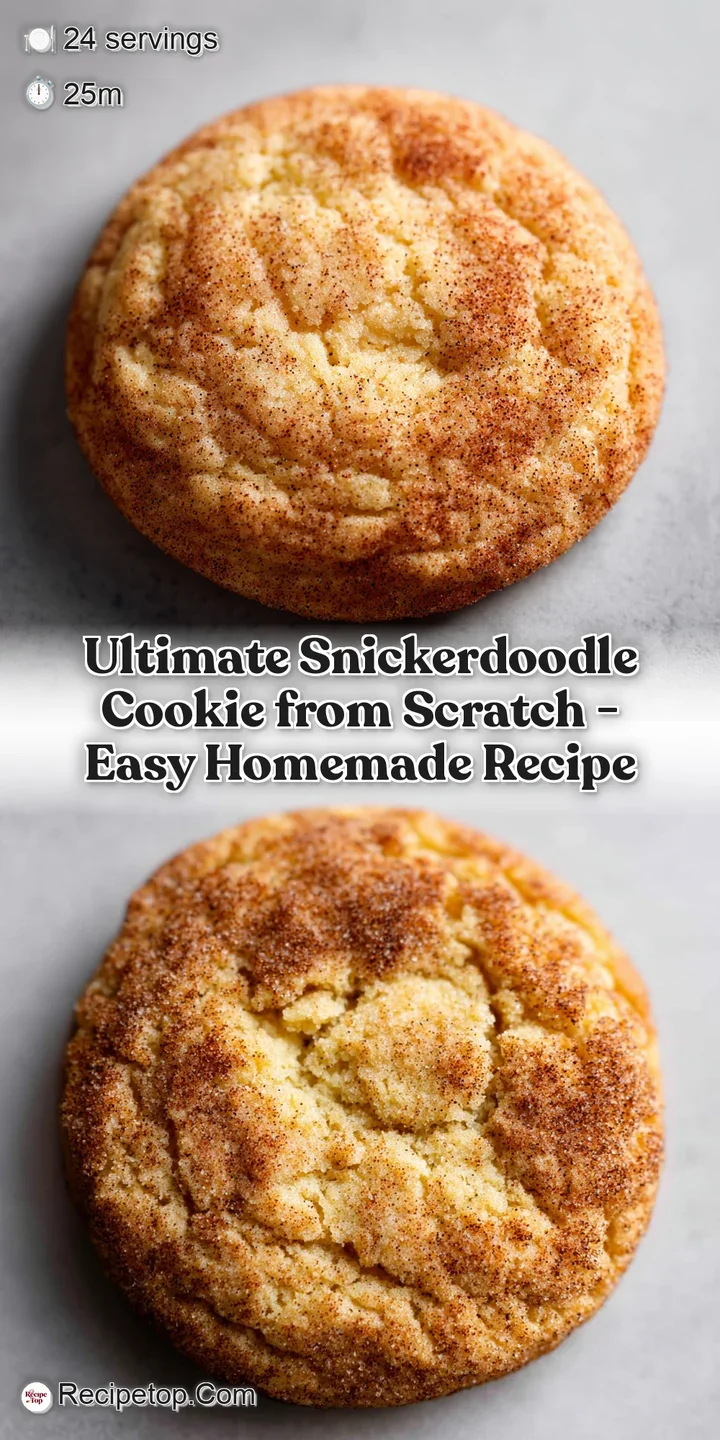
- Time: Active 15 minutes, Passive 10 minutes, Total 25 minutes
- Flavor/Texture Hook: Tangy, crinkly, and buttery
- Perfect for: Holiday cookie swaps, weekend treats, or beginner bakers
- Baking the Ultimate Snickerdoodle Cookie from Scratch
- Factors Creating That Iconic Flavor
- Official Recipe Specifics and Measurements
- Choosing the Best Quality Ingredients
- Tools for a Smooth Baking Process
- Clear Instructions for Golden Results
- Fixes for Common Baking Problems
- Scaling the Batch for Crowds
- Debunking Common Cookie Myths
- Storage Tips and Leftover Ideas
- Best Ways to Serve Treats
- Recipe FAQs
- 📝 Recipe Card
Baking the Ultimate Snickerdoodle Cookie from Scratch
Imagine it is a rainy Tuesday afternoon and the house feels just a bit too quiet. You decide to pull out the stand mixer, and suddenly the air is thick with the scent of softened butter and the sharp, woody aroma of Saigon cinnamon hitting a bowl of granulated sugar.
There is something about that first "poof" of flour as it hits the wet ingredients that makes the whole kitchen feel alive. Snickerdoodles aren't just sugar cookies; they are a nostalgic embrace in edible form, with that iconic crinkled top that promises a soft, tangy bite every single time.
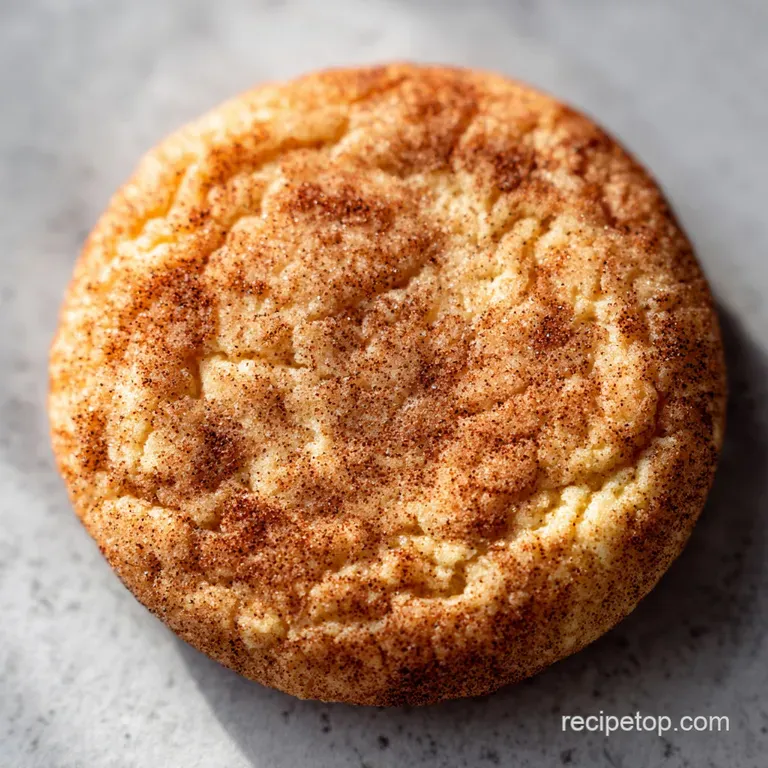
I remember making these for my first neighborhood holiday party and being terrified they would just look like plain sugar cookies. But when that high oven heat hits the dough, they puff up and then collapse into those beautiful, crackly canyons of cinnamon goodness.
It was a total hit, and now I can't imagine a winter season without that specific "zing" you only get from a proper snickerdoodle. You don't need any fancy skills here, just a willingness to get your hands a little sugary and a commitment to not skipping the cream of tartar.
We are going for a texture that is velvety on the inside but has a crust that will almost shatter when you first bite into it. It is all about the balance between the sweet coating and the slightly acidic dough.
If you have been looking for a treat that feels special but takes less than 30 minutes from start to finish, you have found it. Let's get into what actually makes these cookies tick and how you can avoid the flat, crispy disasters that often plague home bakers.
Factors Creating That Iconic Flavor
- Acidic Reactivity: Cream of tartar provides the signature tang while preventing sugar from crystallizing, ensuring a chewy rather than crunchy texture.
- Thermal Shock: Baking at 375°F causes the edges to set rapidly while the center remains soft, creating the characteristic "crinkle" as the cookie cools.
- Aeration Dynamics: Beating the butter and sugar for a full 3 minutes builds a sturdy air cell structure that prevents the cookies from collapsing into flat puddles.
- Cinnamon Osmosis: Rolling the dough in sugar before baking creates a moisture wicking barrier that helps the exterior crisp up while keeping the inside moist.
| Method | Time | Texture | Best For |
|---|---|---|---|
| store-bought | 15 minutes | Often oily or crumbly | Last minute emergencies only |
| This Classic Recipe | 25 minutes | Velvety center, crackly crust | Gifts, swaps, and true fans |
| Chilled Dough | 2 hours+ | Thicker, deeper flavor | When you have extra time |
Using real butter and taking the time to cream it properly makes a world of difference compared to the oily, flat versions you find in the plastic tubs at the store. The flavor of the Saigon cinnamon is also much more intense, providing a spicy warmth that balances the sweetness.
Official Recipe Specifics and Measurements
This recipe is designed to be efficient, taking exactly 15 minutes to prep and 10 minutes to bake. It yields 24 cookies, which is the perfect amount for a standard baking sheet rotation.
We are using standard imperial measurements to ensure that the ratio of leavening to flour is exactly right for that specific lift and fall.
| Component | Science Role | Pro Secret |
|---|---|---|
| Cream of Tartar | Lowers pH for tang | Never skip this; it defines the snickerdoodle |
| Unsalted Butter | Controls hydration and fat | Use room temp butter to ensure proper aeration |
| Baking Soda | Reacts with acid for lift | Ensure it is fresh so the cookies don't stay flat |
| Saigon Cinnamon | Provides essential oils | Has higher oil content than regular cinnamon |
The interaction between the cream of tartar and the baking soda is what gives these cookies their unique personality. Without that specific acid base reaction, you would just have a very buttery sugar cookie. But with it, you get a complex, tangy flavor profile that cuts through the richness of the dough.
Choosing the Best Quality Ingredients
- 1/4 cup granulated sugar: Used for the coating.
- 1 1/2 tablespoons ground Saigon cinnamon: Why this? It has a much stronger, spicier punch than standard Cassia cinnamon.
- 1 cup unsalted butter, softened: Why this? Unsalted allows you to control the seasoning precisely.
- 1 1/2 cups granulated sugar: For the main dough body.
- 2 large eggs, room temperature: Why this? They emulsify much better into the butter when not cold.
- 2 teaspoons pure vanilla extract: Adds a floral background note.
- 2 3/4 cups all purpose flour: The structure of our cookie.
- 2 teaspoons cream of tartar: The essential ingredient for that "zing."
- 1 teaspoon baking soda: Our primary lifting agent.
- 1/2 teaspoon fine sea salt: Balances the sweetness.
| Original Ingredient | Substitute | Why It Works |
|---|---|---|
| Unsalted Butter | Salted Butter | Just omit the extra 1/2 tsp of sea salt. |
| Saigon Cinnamon | Regular Cinnamon | Less intense flavor, but still works in a pinch. |
| All Purpose Flour | 1:1 GF Flour | Use a blend with xanthan gum for a similar chew. |
If you are planning to make a dessert platter, these cookies pair beautifully with Christmas M&M Cookie Bars because the tangy cinnamon flavor offers a nice break from the heavy chocolate and fudge of other treats.
Tools for a Smooth Baking Process
You don't need a professional kitchen, but a stand mixer with a paddle attachment is really the way to go here. It allows you to beat the butter and sugar for the full 3 minutes without your arm falling off.
If you only have a hand mixer, just be prepared to spend a little extra time to get that "pale and aerated" look we are after.
A medium cookie scoop (usually about 1.5 tablespoons) is my secret weapon for consistency. When every cookie is the exact same size, they all finish baking at the same time. This prevents the tragedy of having half your batch burnt while the other half is raw in the middle.
I also highly recommend using parchment paper rather than greasing the pans; it prevents the bottoms from getting too dark and makes cleanup a breeze.
Clear Instructions for Golden Results
Phase 1: Preparing the Coating and Oven
Preheat your oven to 375°F (190°C). In a small bowl, whisk together the 1/4 cup sugar and 1 1/2 tablespoons cinnamon until uniform to create the coating. Note: Mixing this first ensures you are ready to roll as soon as the dough is mixed.
Phase 2: Creaming the Foundation
In a stand mixer with a paddle attachment, beat the softened butter and 1 1/2 cups sugar on medium high speed for 3 minutes until pale and aerated. Add the eggs one at a time, then mix in the vanilla extract until emulsified.
Phase 3: Integrating Dry Ingredients
In a separate medium bowl, whisk together the flour, cream of tartar, baking soda, and salt. Turn the mixer to low and gradually add the dry ingredients to the wet mixture, mixing only until no streaks of flour remain.
Phase 4: Shaping for Success
Using a medium cookie scoop, form dough balls approximately 1.5 inches in diameter. Roll each ball between your palms until smooth and round.
Phase 5: Mastering the Bake
Drop the dough balls into the cinnamon sugar mixture. Roll to coat thoroughly, then place on parchment lined baking sheets spaced 2 inches apart. Bake for 10 minutes until the edges are set and the tops have developed the signature crinkle.
Let cool on the pan for 5 minutes before transferring to a wire rack.
Fixes for Common Baking Problems
Why Your Cookies Spread Too Much
If your cookies come out looking like thin pancakes, your butter was likely too warm. When the fat is already near its melting point before it hits the oven, it doesn't have the structure to hold the air bubbles we created during the creaming process.
Another culprit could be over greasing the baking sheet, which gives the dough too much "slide."
Fixing a Tough Texture
If the cookies feel like hockey pucks, you probably overmixed the flour. Once you add the dry ingredients, you want to stop the mixer the second you stop seeing white streaks. Overworking the dough develops gluten, which is great for bread but terrible for a soft snickerdoodle.
| Problem | Root Cause | Solution |
|---|---|---|
| Flat Cookies | Butter too soft | Chill dough for 30 mins before baking |
| No Crinkles | Oven temp too low | Verify oven temp with a thermometer |
| Tough Centers | Overmixing flour | Mix on low speed only until combined |
Common Mistakes Checklist:
- ✓ Ensure eggs are at room temperature to avoid curdling the butter.
- ✓ Measure flour by spooning it into the cup rather than scooping (prevents packing).
- ✓ Don't skip the 3 minute creaming time; it provides the necessary lift.
- ✓ Check that your baking soda is less than 6 months old for the best rise.
Scaling the Batch for Crowds
If you are baking for a big event, you can easily double this recipe. However, when doubling, I recommend only using 1.5x the salt and spices at first and tasting a tiny bit of dough. Sometimes doubling the salt can make the batch taste too sharp.
For the liquids, you can usually keep the ratio 1:1, but keep an eye on the dough's consistency if it feels too wet, add a tablespoon of flour.
When scaling down to a half batch, the trickiest part is the eggs. Beat one egg in a small bowl and then use exactly half of it by weight or volume. For the other half egg, save it for a morning scramble! You will also want to reduce the baking time by about 20% if you are using smaller pans that might crowd the oven. If you like the idea of variety, you might want to try Easy Caramel Cookie Bars as a second option since they share many of the same pantry staples.
Debunking Common Cookie Myths
One big myth is that you can substitute lemon juice or vinegar for cream of tartar. While they are both acids, they add liquid to the recipe which will completely change the spread and texture of the cookie. Stick to the dry powder for that specific snickerdoodle "snap."
Another misconception is that the dough needs to be chilled overnight. While chilling does deepen the flavor slightly, this specific recipe is balanced to work perfectly right out of the mixer.
The high 375°F oven temperature sets the shape before the butter can melt too much, giving you that thick, pillowy center without the wait.
Storage Tips and Leftover Ideas
- Room Temperature: These stay soft in an airtight container for up to 4 days.
- Freezing: You can freeze the baked cookies for 3 months. Or, freeze the raw dough balls (after rolling in sugar) and bake them straight from the freezer just add 2 minutes to the cook time.
- Zero Waste: If you have leftover cinnamon sugar, don't toss it! Sprinkle it over your morning buttered toast or use it to sweeten your latte. If you have a few cookies that went stale, crumble them up over vanilla ice cream or use them as a base for a cheesecake crust.
When storing, I like to put a single slice of white bread in the container. The cookies will absorb the moisture from the bread, keeping them velvety and soft for much longer than they would on their own. Just make sure the container is truly airtight!
Best Ways to Serve Treats
These cookies are obviously best when they are still slightly warm from the oven, maybe 10 minutes after they come out. The cinnamon aroma is at its peak then, and the center is still almost gooey.
A cold glass of whole milk is the traditional partner here, as the creaminess cuts through the tang of the cream of tartar perfectly.
If you are feeling a bit more grown up, try serving these with a dark roast coffee or a spicy chai tea. The earthy notes in the coffee really highlight the Saigon cinnamon. For a party, you can even make "Snickerdoodle Sandwiches" by putting a scoop of salted caramel ice cream between two cookies.
The contrast between the cold ice cream and the spicy, warm flavored cookie is honestly hard to beat. Just make sure you have plenty of napkins!
Recipe FAQs
Is it true I can substitute baking powder for the cream of tartar?
No, this is a common misconception. Cream of tartar provides the specific acidity needed to react with the baking soda for the signature tang and lift, so skipping it changes the flavor and texture entirely.
How to keep these cookies soft after baking?
Store them in an airtight container at room temperature. They will remain soft for up to 4 days, but if you have a few that go stale, crumbling them over vanilla ice cream is a great way to use them up.
How to bake these from frozen dough?
Add 2 minutes to the official 10-minute bake time. You can drop the pre-rolled, frozen dough balls directly onto the sheet and bake at 375°F until the edges are set.
How to ensure the dough gets that classic crinkle top?
Beat your butter and sugar on medium high speed for 3 full minutes. This aeration creates the structure needed for the top to crack as it spreads; if you enjoy this texture building method, you can apply the same air-incorporation logic to our creamy dessert bars.
Is it necessary to use room temperature eggs?
Yes, they emulsify much more easily with the butter and sugar. Using cold eggs can cause the batter to look curdled, preventing the smooth, aerated consistency required for the perfect cookie structure.
How to prevent the cookies from spreading too much in the oven?
Measure your flour carefully by spooning it into the measuring cup and leveling it off. Too little flour will result in thin, flat cookies, while the correct amount ensures they hold their 1.5 inch shape perfectly during the 10-minute bake.
Can I use a different type of sugar for the coating?
No, stick to granulated sugar. Its coarse texture provides the necessary crunch against the soft cookie, whereas other sugars contain too much moisture and will dissolve into the dough instead of creating a distinct crust.
Ultimate Snickerdoodle Cookies
Ingredients:
Instructions:
Nutrition Facts:
| Calories | 185 kcal |
|---|---|
| Protein | 2.1 g |
| Fat | 8.2 g |
| Carbs | 26.1 g |
| Fiber | 0.6 g |
| Sugar | 14.6 g |
| Sodium | 104 mg |
