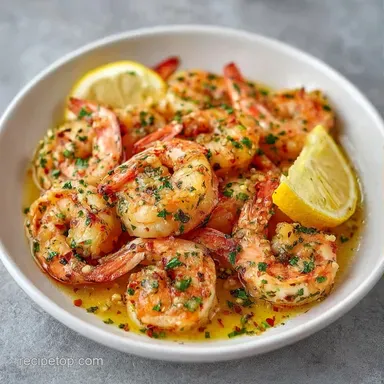
Restaurant-Style Lemon Garlic Butter Shrimp in 15 Minutes

- Total15 Mins
- Calories293 kcal
- CuisineAmerican
- Time: 10 min active + 5 min cooking
- Flavor & Texture: Zesty, buttery, and plump
- Perfect for: Quick weeknight dinner
Few things beat the aroma of shrimp sizzling as they hit a scorching pan. This technique ensures a flavorful, caramelized outside while the inside remains succulent.
You can serve up a bistro-quality meal with minimal effort by preparing this lemon garlic butter shrimp. It utilizes basic, fresh components and requires no specialized kitchen gear. The secret to this recipe is searing the shrimp before adding the sauce, which helps keep the texture from turning rubbery.
Lemon Garlic Butter Shrimp Essentials
| Ingredient | Role | Alternative |
|---|---|---|
| Shrimp | Primary protein | Scallops (approximate; adjust cooking time based on size) |
| Butter | Provides richness | Olive oil (less creamy, distinct flavor) |
| White grape juice | Supplies acidity and sweetness | Apple juice (sweeter, use a bit less) |
- 1 lb large shrimp, peeled and deveined Why? Larger shrimp retain their shape better than smaller varieties
- 2 tbsp olive oil
- 1/2 tsp salt
- 1/4 tsp black pepper
- 4 tbsp unsalted butter
- 4 cloves garlic, minced
- 1/4 cup white grape juice
- 2 tbsp fresh lemon juice
- 1 tsp lemon zest
- 2 tbsp fresh parsley, chopped
Bringing It Together
The High-Heat Prep
Use paper towels to ensure the shrimp are completely dry. Since moisture leads to steaming, dryness is key for a great crust. Season them thoroughly with 1/2 tsp salt and 1/4 tsp black pepper.
Achieving the Deep golden brown Sear
Warm 2 tbsp olive oil in a 12-inch skillet (stainless steel or cast iron) over medium-high heat until it begins to shimmer. Arrange the shrimp in a single layer and sear for 1-2 minutes without stirring until they develop a rich brown exterior.
Flip and cook for one more minute until they hit 145°F (63°C). Immediately transfer the shrimp from the pan. Per USDA guidelines, the safe internal temperature is 145°F.

Crafting the Sauce
Lower the heat to medium. Melt 4 tbsp unsalted butter into the remaining pan drippings. When the butter starts foaming, stir in 4 minced garlic cloves for 30 seconds until fragrant.
Stir in 1/4 cup white grape juice and 2 tbsp fresh lemon juice, scraping the pan's bottom to loosen the browned bits. Simmer for 2 minutes until the sauce reduces slightly and looks glossy.

The Final Glaze
Return the shrimp to the pan and toss quickly for 30 seconds to coat. This method for lemon garlic butter shrimp prevents them from overcooking. Take the pan off the heat and mix in 1 tsp lemon zest and 2 tbsp chopped fresh parsley.
Avoiding Common Pitfalls
If your shrimp turn into rubber bands, you probably left them in the pan too long. Shrimp cook fast, and the carryover heat continues to firm them up after they leave the skillet.
When the sauce looks separated or greasy, it means the heat was too high during the simmer. A velvety emulsion needs a gentle simmer to stay together.
If the garlic tastes bitter, it likely burnt during the butter stage. Always wait for the butter to foam before adding garlic, and keep it moving.
| Problem | Fix |
|---|---|
| Rubbery shrimp | Remove from pan 30 seconds earlier |
| Broken, oily sauce | Lower heat and whisk in a teaspoon of water |
| Burnt garlic | Add butter first, then sauté garlic briefly |
Creative Twists and Swaps
To make this a lemon garlic butter shrimp pasta, simply toss the finished dish with linguine or angel hair. I suggest adding a splash of pasta water to the pan to ensure the sauce clings well to the noodles.
For a bit of heat, stir in a pinch of red pepper flakes when adding the garlic. To create a richer result, stir in a tablespoon of heavy cream at the end for a more opaque and lush sauce.
Leftover and Storage Tips
Place any remaining servings in a sealed container and refrigerate for up to 3 days. It is normal for the butter sauce to harden while cold.
Skip the microwave when reheating to prevent the shrimp from overcooking. Instead, warm the shrimp and sauce in a skillet over low heat with a teaspoon of water, heating until the shrimp reach 165°F (74°C) in the thickest part.
When reheating cooked leftovers, check with a food thermometer that the centre reaches 165°F (74°C); the appliance temperature and time alone do not confirm this.
Pairing Ideas

This dish is great over a bed of fluffy jasmine rice or with a side of crusty sourdough bread to soak up the sauce. For a fresh contrast, I recommend serving it with a Classic Macaroni Salad or steamed broccoli. This is arguably the best lemon garlic butter shrimp pairing for a full meal.
What Makes It Work
- Dry Searing: Drying the shrimp prevents them from steaming, allowing for a quicker brown and a more savory crust.
- Acidic Balance: Lemon and grape juices balance out the richness of the butter, keeping the overall taste vibrant.
| Shrimp Size | Cook Time | Visual Cue | Texture |
|---|---|---|---|
| Medium | 1-2 min per side | Pink edges | Tender |
| Large | 1-1.5 min per side | Opaque center | Plump |
| Jumbo | 3 min per side | Firm curl | Meaty |
Good to Know
How to make lemon garlic butter shrimp?
Sear seasoned shrimp in olive oil, create a garlic butter sauce with grape and lemon juice, and toss together.
Tip: Pat the shrimp very dry first to ensure a proper crust.
Can I serve this shrimp with pasta?
Yes, the sauce complements most bases perfectly.
Tip: Toss your chosen side into the pan before adding the shrimp back in.
Would baking the shrimp work instead?
Yes, though you will lose the chestnut brown crust created by the sear.
Tip: Use the broiler for two minutes at the end to add color.
How to prevent the shrimp from becoming rubbery?
Remove the shrimp from the heat immediately once they hit 145°F (63°C).
Tip: Avoid overcrowding the skillet to prevent the shrimp from steaming.
Is it possible to make a healthier version?
Yes, substitute the butter with more olive oil.
Tip: Use a larger portion of shrimp relative to the amount of sauce.
Do frozen shrimp work for this recipe?
Yes, as long as they are fully thawed and patted dry.
Tip: Thaw them slowly in the refrigerator overnight.
Which pan is best for the rich brown sear?
Use a 12-inch stainless steel or cast-iron skillet for the best heat retention.
Tip: Wait for the oil to shimmer before adding the shrimp.
Where should I store leftovers?
Keep the cooked shrimp in the refrigerator.
Tip: Store in a sealed container and reheat only once until steaming hot. When reheating cooked leftovers, check with a food thermometer that the centre reaches 165°F (74°C); the appliance temperature and time alone do not confirm this.
Lemon Garlic Butter Shrimp
Ingredients:
Instructions:
You May Also Like

Marry Me Salmon with Rich Garlic Butter Sauce
Master Marry Me Salmon with our step-by-step guide. This recipe features a creamy herb sauce and…

Peach Butter Recipe: Caramelized Homemade Spread
Master this peach butter recipe delicious homemade spread with our step-by-step timing guide.

Homemade Italian Dressing Salad
Our Homemade Italian Dressing Salad uses a zesty Italian dressing recipe with olive oil.

Classic Macaroni Salad
This Classic Macaroni Salad uses Greek yogurt for a bright taste.
