Protein Chocolate Chip Cookies: Soft and Velvety
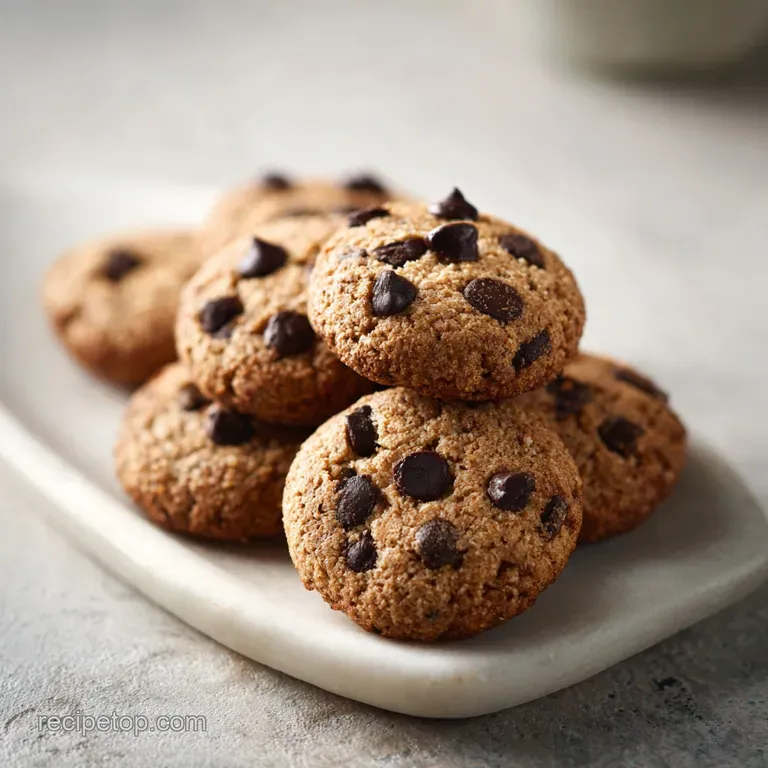
- Time: Active 10 minutes, Passive 10 minutes, Total 20 minutes
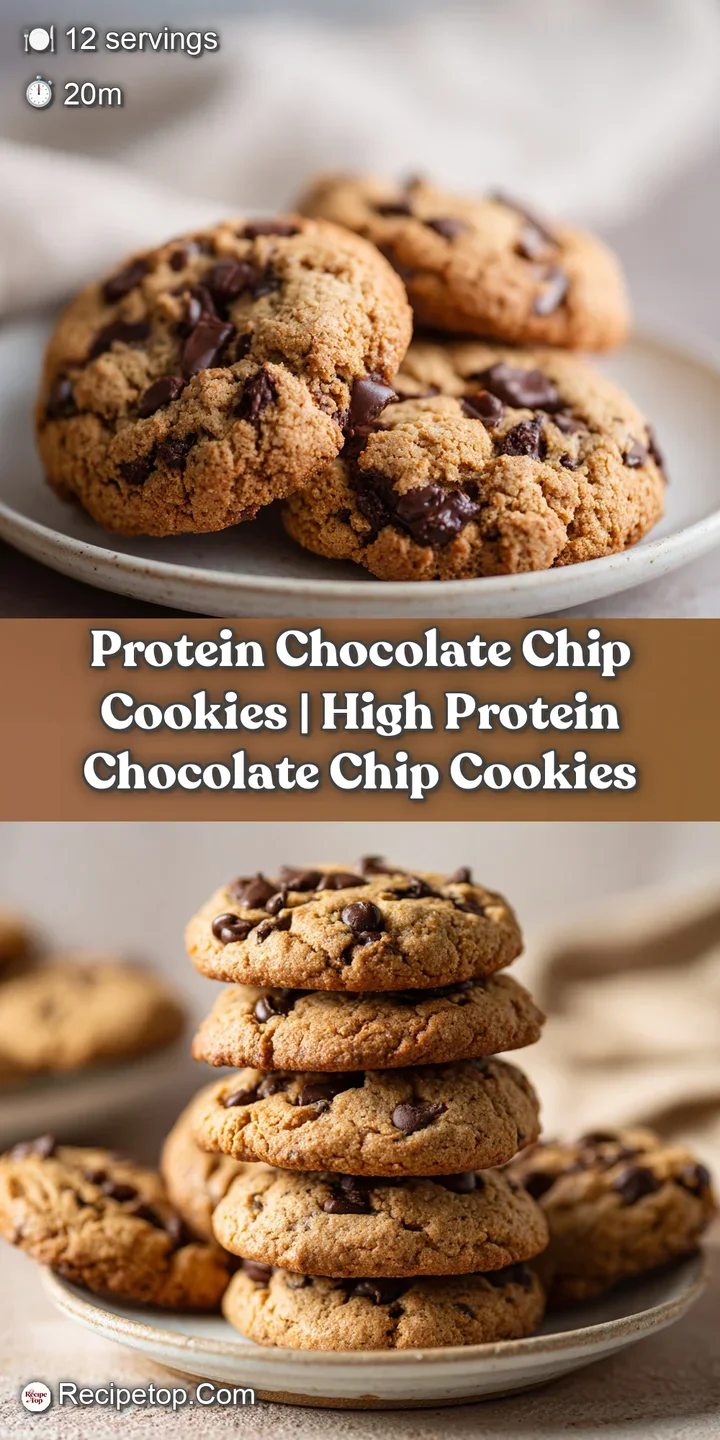
- Flavor/Texture Hook: Soft, velvety crumb with molten dark chocolate
- Perfect for: Post workout snacks, healthy meal prep, or a high protein dessert
- Mastering These Protein Chocolate Chip Cookies
- Why This Recipe Actually Works
- Component Deep Dive Analysis
- Ingredients and Smart Healthy Swaps
- Tools for Consistent Baking Success
- The Step By Step Process
- Troubleshooting Common Baking Mistakes
- Scaling for Large Batches
- Tasty Variations and Flavor Twists
- Proper Storage and Reheating Tips
- Truths About Protein Baking
- Perfect Pairings and Serving Ideas
- Recipe FAQs
- 📝 Recipe Card
Mastering These Protein Chocolate Chip Cookies
We have all been there before. You find a recipe that promises the world, but you end up biting into a dry, chalky disk that tastes more like a flavored eraser than a snack. It is the classic "protein puck" problem.
Most recipes rely too heavily on powders that absorb every drop of moisture, leaving you with a snack that requires a gallon of water just to swallow. I spent months frustrated by this exact issue until I started looking at the chemistry of how protein interacts with fats and acids.
The solution was not more butter or oil, but rather a combination of cultured dairy and nut fats. By using Greek yogurt as a primary binder, we introduce moisture and acidity that softens the protein fibers. This recipe is the targeted fix for anyone tired of rubbery textures.
We are creating something that feels like a treat but hits your nutritional targets. It is about working with the protein, not against it, to ensure the final result is as soft as a bakery classic.
This specific method focuses on hydration and gentle handling. When you follow these steps, you will notice the dough feels different than a standard cookie. It is tackier and more substantial. That is exactly what we want.
We are building a matrix that locks in the maple syrup and vanilla bean paste, ensuring that every bite is consistent. If you have struggled with gritty or sandy textures in the past, this approach will change how you view healthy baking forever.
Why This Recipe Actually Works
Hydration Buffer: Greek yogurt provides a massive moisture reservoir that prevents the protein powder from sucking the dough dry during the baking process.
Acidity Reactivity: The natural lactic acid in the yogurt reacts with the baking soda to create tiny air pockets, ensuring the cookies stay light rather than dense.
Fat Emulsification: Almond butter provides stable, monounsaturated fats that coat the oat flour particles, inhibiting excessive structural toughness.
Starch Stability: Oat flour absorbs liquid more slowly than wheat, allowing the protein powder to fully hydrate before the structure sets in the oven.
| Method | Time | Texture | Best For |
|---|---|---|---|
| Standard Oven | 10 minutes | Soft and velvety | Maximum moisture retention |
| Air Fryer | 7 minutes | Crispy exterior | Quick single serving snacks |
| Toaster Oven | 12 minutes | Evenly browned | Small batch baking |
Choosing the right cooking method depends entirely on your texture preference. The standard oven at 350°F is the gold standard for this recipe because it allows the center to set without drying out the edges.
If you prefer a bit of a "snap" to your snack, the air fryer is a great alternative, though you must keep a close eye on it as the circulating air can brown the protein powder very quickly.
Regardless of the method, the internal temperature is the key. Since there are no raw eggs in this specific dough, we are mostly looking for the starches to gelatinize and the protein to set. This happens rapidly, which is why the 10 minute timer is non negotiable.
Component Deep Dive Analysis
| Ingredient | Science Role | Pro Secret |
|---|---|---|
| Vanilla Protein | Structural base | Use a whey casein blend for the softest, most cake like results. |
| Greek Yogurt | Moisture and lift | Ensure it is room temperature to prevent the almond butter from seizing. |
| Oat Flour | Complex carb binder | Grind your own from rolled oats for a more rustic, fiber rich texture. |
| Almond Butter | Healthy fat source | Stir the jar thoroughly to ensure the natural oils are fully incorporated. |
Using the right protein powder is the difference between success and a gritty mess. I have found that a whey casein blend works best because casein is highly absorbent and provides a thicker, more dough like consistency.
Pure whey tends to get a bit "rubbery" if overbaked, so if that is all you have, be extra careful with your timer.
The Greek yogurt should always be the non fat variety for this specific recipe to keep the macros balanced, but the thick, strained nature of it is what matters most. It acts as a replacement for both eggs and some of the fat, providing a velvety mouthfeel without the heavy saturated fats found in traditional butter.
Ingredients and Smart Healthy Swaps
To get the most out of your Protein Chocolate Chip Cookies, quality matters. Use a high-quality vanilla bean paste if you can find it. The tiny specks of vanilla bean add a depth of flavor that a standard extract simply cannot match.
For the chocolate, 70% cacao chips provide a sharp contrast to the sweetness of the maple syrup, creating a balanced flavor profile.
- 120g oat flour: Why this? Provides a nutty flavor and keeps the recipe naturally gluten-free.
- Substitute: All purpose flour (use 1:1 by weight, though it adds gluten).
- 60g vanilla protein powder: Why this? The primary source of muscle building nutrition and sweetness.
- Substitute: Unflavored protein powder plus 1 extra tablespoon of maple syrup.
- 120g non fat Greek yogurt: Why this? The secret weapon for moisture and a soft, tender crumb.
- Substitute: Plain Skyr or thick coconut yogurt for a dairy-free option.
- 64g creamy almond butter: Why this? Adds healthy fats and helps the cookies hold their shape.
- Substitute: Peanut butter (adds a stronger flavor) or sunflower seed butter.
- 60ml pure maple syrup: Why this? A natural liquid sweetener that helps with browning.
- Substitute: Honey or agave nectar (honey will make them slightly stickier).
- 90g dark chocolate chips: Why this? Provides the classic "cookie" experience with antioxidants.
- Substitute: Cacao nibs for less sugar or chopped walnuts for crunch.
If you are looking for a different texture profile, you might want to explore my bakery style cookie which uses more traditional fats. However, for a daily snack that fits your macros, sticking to this yogurt based list is the smartest move for long term consistency.
Tools for Consistent Baking Success
You do not need a professional kitchen to make these, but a few specific tools will make the process much easier. A digital kitchen scale is the most important item. Baking by volume (cups) is notoriously inaccurate, especially with compressed ingredients like flour and protein powder.
Measuring in grams ensures that your dough is never too wet or too dry.
A silicone baking mat or high-quality parchment paper is also essential. Because these cookies have less fat than traditional recipes, they can be prone to sticking if you bake them directly on a metal sheet. A 2 tablespoon cookie scoop is another great investment.
It ensures every cookie is the exact same size, which means they will all finish cooking at the exact same time.
Chef's Note: If you don't have a cookie scoop, use a dampened tablespoon measure. The moisture on the spoon prevents the tacky dough from clinging to the metal, allowing for a clean drop onto the pan.
The step-by-step Process
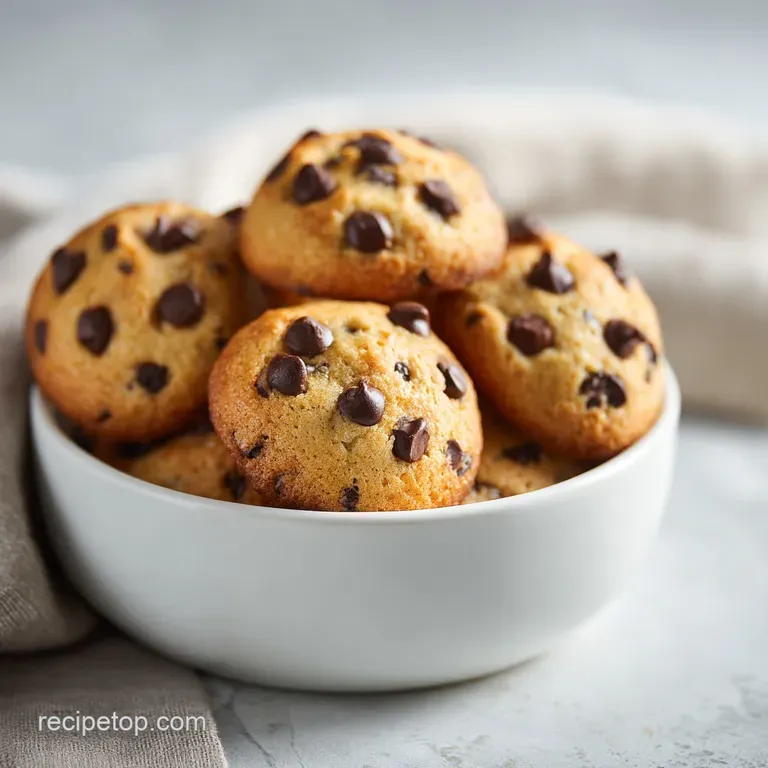
- Preheat the environment. Set your oven to 350°F (175°C) and line a large baking sheet with parchment paper. Note: A preheated oven is vital for the baking soda to react immediately.
- Combine the dry base. Whisk 120g oat flour, 60g vanilla protein powder, 0.5 tsp baking soda, and 0.25 tsp sea salt in a large bowl. Whisk until the mixture is uniform and airy.
- Integrate the wet binders. Create a well in the center and add 120g Greek yogurt, 64g almond butter, 60ml maple syrup, and 1 tsp vanilla bean paste.
- Fold the dough. Use a silicone spatula to fold the wet into the dry. Continue until a thick, tacky dough forms and no dry powder remains.
- Add the inclusions. Gently fold in 90g dark chocolate chips. Distribute them evenly so every bite has chocolate.
- Portion the Batch. Use a 2 tablespoon scoop to make 12 equal balls. Note: Uniform sizing prevents some cookies from burning while others stay raw.
- Shape the cookies. Place them 2 inches apart and press down slightly with your palm. Shape them now, as they will not spread much in the heat.
- Execute the bake. Bake for exactly 10 minutes until the edges are set but the centers look soft.
- Finish with salt. Remove from the oven and immediately sprinkle 1 tsp flaky sea salt over the tops. The salt should stick to the melting chocolate.
- Cool on the sheet. Let them rest for 5 minutes on the hot pan to finish the carryover cooking.
Troubleshooting Common Baking Mistakes
One of the most frequent issues is the cookies coming out too dry. This usually happens if the protein powder is not fully hydrated during the mixing stage. If your dough feels crumbly rather than tacky, you may need to add one extra tablespoon of Greek yogurt.
Protein powders vary wildly by brand, and some are significantly more "thirsty" than others.
Another common problem is the cookies remaining too soft or "raw" in the center. Because we use yogurt, these will never be as crisp as a butter based cookie. They are meant to be soft and tender.
However, if they feel gummy, it is likely that the almond butter was not stirred well, or the oven temperature was slightly too low.
Overbaking Leading to Dryness
Protein is very sensitive to heat. If you leave these in for even two minutes too long, they will transform from soft cookies into hard, dry bricks. The carryover heat from the baking sheet is enough to finish the cooking process. Always pull them out when they still look slightly underdone in the middle.
Gritty or Sandy Texture
This is almost always a result of the protein powder brand or the oat flour being too coarse. If you find the texture unpleasant, try sifting your dry ingredients next time. You can also let the dough sit for 10 minutes before portioning; this gives the oats and protein time to fully absorb the liquid and soften.
| Problem | Root Cause | Solution |
|---|---|---|
| Crumbly dough | Not enough moisture for the powder type | Add 1 tbsp of yogurt or water |
| Burnt bottoms | Baking sheet is too thin or dark | Use a silicone mat or double up the pans |
| Cookies stayed balls | No spread due to lack of butter | Flatten them manually before baking |
Common Mistakes Checklist
- ✓ Always use a kitchen scale for grams; volume measurements are too inconsistent for protein baking.
- ✓ Don't skip the manual flattening step; these cookies do not have the fat content to "melt" and spread.
- ✓ Check your baking soda expiration; without the lift, these will become very dense.
- ✓ Let the almond butter come to room temp; cold nut butter won't incorporate smoothly into the dough.
- ✓ Use a whey casein blend if possible; it creates a much better "crumb" than pure whey isolate.
Scaling for Large Batches
When you want to double the recipe, you need to be careful with the spices and leavening agents. For a 2x batch (24 cookies), double the main ingredients like flour, protein, and yogurt. However, only increase the baking soda and salt by 1.5x.
Excessive baking soda in a large batch can leave a metallic aftertaste that ruins the delicate vanilla flavor.
If you are scaling down to a half batch, the process is very straightforward. Since we do not use eggs, you do not have to worry about "half an egg" calculations. Just divide everything by two. A smaller batch is actually great for testing how a new brand of protein powder reacts to the moisture in the recipe.
For those doing serious meal prep, I recommend making multiple separate batches rather than one massive one. This ensures that the dough is worked evenly and the chocolate chips are distributed fairly.
If you do make a double batch, use two separate baking sheets and rotate them halfway through the 10 minute bake time to ensure even heat distribution.
Tasty Variations and Flavor Twists
The base of this recipe is incredibly versatile. Once you have mastered the standard version, you can start experimenting with different flavor profiles. If you are a fan of rich, deep flavors, adding a tablespoon of cocoa powder and reducing the oat flour by the same amount can turn these into double chocolate protein treats.
If you prefer a more fruit forward snack, you could check out my protein bread for inspiration on how to use fruit purees. In this cookie, you could swap half the almond butter for mashed banana for a softer, sweeter result.
The No Powder Alternative
If you find yourself out of protein powder, you can replace the 60g of powder with an additional 50g of oat flour and 10g of coconut flour. You will need to add a bit more maple syrup or a dash of stevia to maintain the sweetness, as the protein powder usually provides most of the sugary flavor.
Peanut Butter and Jelly Twist
Swap the almond butter for creamy peanut butter and replace the chocolate chips with dried cranberries or chopped freeze dried strawberries. This creates a nostalgic flavor profile that works exceptionally well with the tanginess of the Greek yogurt. It is a fantastic option for a mid day energy boost.
Proper Storage and Reheating Tips
Because of the high moisture content from the Greek yogurt, these cookies need to be handled differently than traditional ones. If you leave them on the counter in a sealed bag, they can become soggy within 24 hours. The best way to store them is in an airtight container in the refrigerator.
They will stay fresh and hold their texture for up to 5 days.
For long term storage, these cookies freeze beautifully. Place them in a single layer on a plate and freeze for an hour, then transfer them to a freezer safe bag. They will keep for up to 3 months.
When you are ready to eat one, you can let it thaw at room temperature for 20 minutes, or pop it in the microwave for 15 seconds for that "fresh from the oven" feel.
Zero waste tip: If you find yourself with a batch that turned out a little too dry, do not throw them away! Crumble them up and use them as a high protein granola topper for your morning yogurt bowl or blend them into a smoothie for extra texture and flavor.
The chocolate chips and vanilla base make an excellent "mix in" for other snacks.
Truths About Protein Baking
One of the biggest misconceptions in the fitness community is that "heating protein ruins it." While heat does denature protein (which simply means unfolding the amino acid chains), it does not reduce the nutritional value or the amount of protein your body absorbs.
In fact, denaturing protein through cooking often makes it easier for your body to digest.
Another myth is that you can just swap protein powder 1:1 for flour in any recipe. This is a recipe for disaster. Protein powder is much more absorbent and lacks the starch structure of flour.
This recipe works because we use a specific ratio of 2 parts oat flour to 1 part protein powder, which provides the perfect balance of structure and nutrition.
Perfect Pairings and Serving Ideas
These cookies are designed to be a balanced snack on their own, but they also pair well with other nutrient dense foods. If you are having one as a post workout treat, a cold glass of almond milk or a hot cup of black coffee complements the dark chocolate perfectly.
The bitterness of the coffee brings out the floral notes in the vanilla bean paste.
For a more substantial breakfast, try crumbling a cookie over a bowl of cottage cheese with a few fresh berries. The creamy texture of the cheese mixed with the soft cookie pieces creates a high protein parfait that feels much more like a dessert than a healthy meal.
It is a great way to use up cookies that are a few days old and might have lost some of their initial softness.
You can also serve these alongside a small bowl of Greek yogurt mixed with a bit of cinnamon as a "dip." Since the cookies are already soft, the extra creaminess from the yogurt dip makes them feel like a rich, decadent snack while keeping the overall glycemic index low.
This approach ensures you stay full for hours thanks to the combination of fiber, healthy fats, and high-quality protein.
Recipe FAQs
Can you add protein to chocolate chip cookies?
Yes, by using vanilla protein powder alongside oat flour. This combination replaces traditional flour while maintaining the structure needed for a chewy cookie.
Are protein cookies actually healthy?
Yes, they offer a balanced snack profile compared to traditional sugar cookies. Each serving contains 155 kcal, utilizing ingredients like Greek yogurt and almond butter for moisture rather than high fat butter.
What is Snoop Dogg's cookie recipe?
This recipe is not associated with Snoop Dogg. It is a specific, high protein formulation using oat flour, Greek yogurt, and dark chocolate chips designed for optimal texture.
Which cookies are good for diabetics?
Check with a healthcare professional before including sweets in a diabetic diet. While this recipe uses maple syrup and fiber rich oat flour, individual glucose responses to specific protein powders and sweeteners vary.
How to prevent dry cookies when using protein powder?
Mix the protein powder until it is completely hydrated within the dough. If the dough feels crumbly, add an extra tablespoon of Greek yogurt to ensure the proteins absorb the moisture, much like how you handle the moisture balance in our Knock You Naked dessert bar.
How to fix cookies that are too soft in the middle?
Accept that these will remain soft due to the Greek yogurt base. Since they do not use butter to create a crisp edge, they are intentionally designed to be tender and soft rather than crunchy.
How to ensure even baking?
Portion the dough using a 2-tablespoon scoop and flatten each ball manually. Because this dough does not spread on its own, pressing them down before placing them in the 350°F oven for exactly 10 minutes ensures the centers bake consistently.
Protein Chocolate Chip Cookies

Ingredients:
Instructions:
Nutrition Facts:
| Calories | 155 kcal |
|---|---|
| Protein | 8.1 g |
| Fat | 7.1 g |
| Carbs | 16.2 g |
| Fiber | 2.2 g |
| Sugar | 8.8 g |
| Sodium | 115 mg |
