Marry Me Salmon: Creamy Garlic Herb Sauce
- Time:10 minutes prep + 20 minutes cook = 30 minutes total
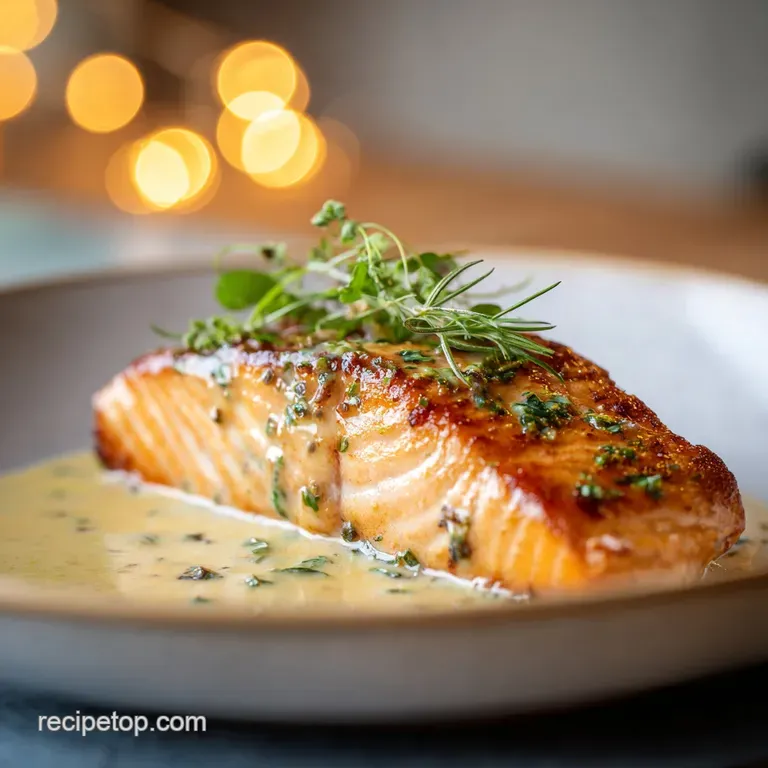
- Flavor/Texture Hook: Shatter crisp skin with velvety garlic cream
- Perfect for: Impressive date nights or fast weeknight luxury
- Why This Creamy Sauce Stays Velvety
- Cook Method Comparison for Perfect Results
- Essential Component Analysis and Pro Secrets
- The Building Blocks for Success
- Skillets and Tools for Success
- Instructions From Prep to Plate
- Troubleshooting Disasters and Soggy Fish
- Creative Ways to Customize Results
- Myths About Cooking Salmon
- Storage Secrets and Zero Waste Tips
- Final Presentation and Plating Flourishes
- Very High in Sodium
- Recipe FAQs
- 📝 Recipe Card
We’ve all been there. You spend a small fortune on beautiful center cut fillets, hoping for that restaurant style crust, only to have the fish stick to the pan and end up gray, steamed, and rubbery. It’s frustrating when the "crispy" skin turns into a soggy mess the second it hits the sauce.
I once ruined a whole dinner party trying to rush the sear, ending up with salmon that looked more like it was boiled in milk than pan-fried to perfection.
This recipe is the direct fix for those kitchen heartaches. I’ve learned that the secret isn’t just about the heat, but about the moisture management before the fish even touches the oil.
We are going to treat this salmon with the respect it deserves, using a heavy bottomed skillet to create a mahogany colored crust that stands up to a rich, herbaceous garlic butter sauce.
You can expect a dish that feels incredibly fancy but actually comes together in exactly 30 minutes total. We are talking about flaky, tender fish bathed in a sauce so good it actually earned its name from the idea that it’s "proposal worthy." Whether you’re cooking for a partner or just want to treat yourself to a high end meal on a Tuesday, this is the method that actually works every single time.
Why This Creamy Sauce Stays Velvety
Moisture Control: Patting the fish bone dry prevents steam from forming between the flesh and the pan, allowing for a crisp sear rather than a gray, boiled texture.
Starch Stabilization: The parmesan cheese acts as a natural thickener and stabilizer, helping the heavy cream and chicken broth bind together into a cohesive sauce.
Thermal Residuals: Pulling the salmon slightly early prevents the protein fibers from tightening too much, ensuring the interior stays buttery while the carryover heat finishes the job.
Cold Fat Finish: Stirring in cold butter at the very end creates a glossier, more stable emulsion that won't separate when it hits the hot plate.
Cook Method Comparison for Perfect Results
| Method | Time | Texture | Best For |
|---|---|---|---|
| Heavy Skillet | 20 minutes | Shatter crisp skin | Classic restaurant quality |
| Air Fryer | 12 minutes | Evenly browned | Quick weeknight speed |
| oven-roasted | 15 minutes | Soft and tender | Large batch cooking |
Choosing the right pan is half the battle when you're making Me Salmon. While a non stick pan is fine for beginners, a heavy stainless steel or cast iron skillet is the only way to get that deep, mahogany colored crust we're looking for.
The metal holds heat better, so when the cold fish hits the oil, the temperature doesn't drop instantly.
If you are looking for a slightly different protein vibe, you might also enjoy my Marry Me Chicken Tortellini which uses a similar flavor profile but with pasta and poultry. It's a great alternative if you have family members who aren't big on seafood but love the creamy, sun dried tomato sauce.
Essential Component Analysis and Pro Secrets
| Ingredient | Science Role | Pro Secret |
|---|---|---|
| Heavy Cream | Provides fat for a luxurious mouthfeel | Use room temp to prevent the sauce from curdling |
| Sun Dried Tomatoes | Adds concentrated acidity and umami | Use the oil from the jar for extra flavor |
| Avocado Oil | High smoke point for the initial sear | Don't swap for butter here; butter burns too fast |
| Parmesan | Emulsifies and thickens the sauce | Grate it fresh so it melts without becoming grainy |
Don't ignore the importance of the temperature of your cream. Adding ice cold dairy to a hot pan of sautéed garlic and shallots can cause the fat to seize up, leading to a sauce that looks oily rather than creamy. Let it sit on the counter for a few minutes while you prep the fish.
Using the right oil matters too. If you want to sharpen your culinary skills further, check out this informative guide on perfecting fish cooking techniques. It explains why over high heat oils are non negotiable for that perfect crust.
The Building Blocks for Success
For the Salmon: 4 (6 oz) salmon fillets, center cut, skin on. Why this? Skin on protects the delicate flesh and provides a crunchy texture contrast. 1 tsp kosher salt.
Why this? Larger crystals draw out less moisture initially than fine table salt. 1/2 tsp coarsely ground black pepper. 2 tbsp avocado oil. Why this? High smoke point (520°F) prevents the oil from smoking during the sear.
For the Rich Garlic Butter Sauce: 3 tbsp unsalted butter, divided. 4 cloves garlic, minced. 1 small shallot, finely diced. 1/2 cup sun dried tomatoes, packed in oil, drained and chopped.
Why this? They provide a chewy, tart pop that cuts through the cream. 1/2 cup low sodium chicken broth. 1 cup heavy cream, room temperature. 1/2 cup freshly grated parmesan cheese. 1 tsp dried oregano. 1/2 tsp crushed red pepper flakes.
For the Fresh Herb Finish: 1/4 cup fresh basil, julienned. 1 tbsp fresh lemon juice. 4 lemon wedges for serving.
Skillets and Tools for Success
You don't need a kitchen full of gadgets, but a 12 inch heavy bottomed skillet is essential here. A cast iron pan (like a Lodge) or a heavy stainless steel skillet provides the heat retention needed to get that 4-5 minute sear without the pan losing its "oomph." You'll also want a flexible fish spatula, which is thinner and more pliable than a standard flipper, making it easy to get under the salmon without breaking the crust.
A microplane for the parmesan is also a huge help. Pre shredded cheese is coated in potato starch to keep it from clumping in the bag, but that starch can make your sauce feel gritty. Grating it yourself ensures it melts into the cream perfectly.
Instructions From Prep to Plate
- Pat the salmon fillets bone dry on all sides using paper towels. Note: This is the most important step for a crisp sear.
- Season the fillets with kosher salt and black pepper immediately before cooking until evenly coated.
- Heat avocado oil in a 12 inch skillet over medium high heat until the oil shimmers.
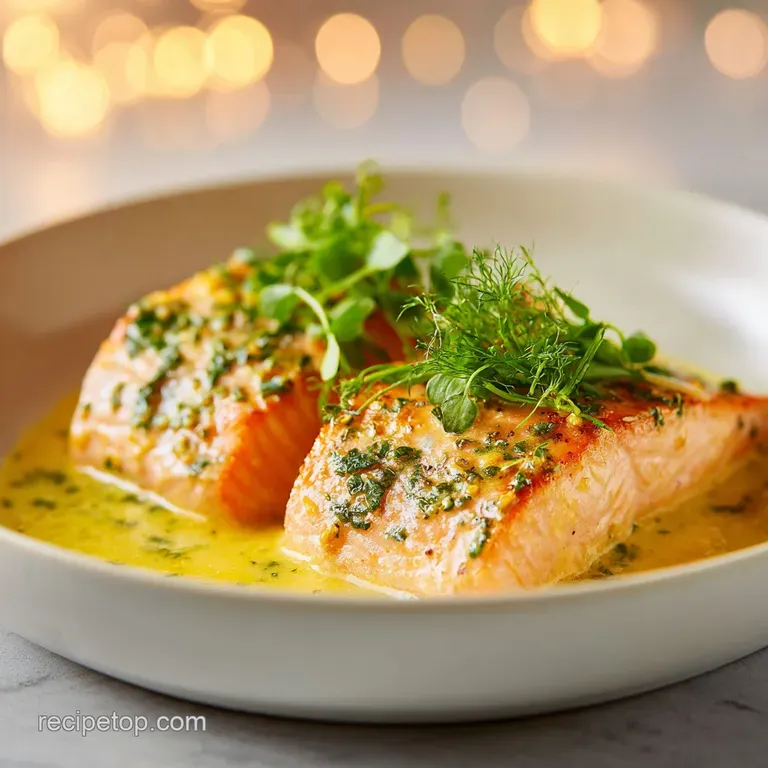
- Place salmon flesh side down and sear undisturbed for 4-5 minutes until a mahogany colored crust forms.
- Flip the fillets and cook for an additional 2 minutes. Remove and set aside on a plate.
- Reduce heat to medium, add 1 tablespoon of butter, and sauté garlic and shallots for 1-2 minutes until fragrant and translucent.
- Add sun dried tomatoes, oregano, and red pepper flakes, then pour in chicken broth to deglaze, scraping up all the browned bits.
- Lower heat to medium low, whisk in heavy cream and parmesan, and simmer for 3-5 minutes until thickened and smooth.
- Stir in the remaining 2 tablespoons of cold butter and return the salmon to the pan, spooning sauce over the top.
- Remove from heat, stir in basil and lemon juice, and serve immediately with extra lemon wedges.
Troubleshooting Disasters and Soggy Fish
Why Your Salmon Is Sticking
This usually happens for two reasons: the pan wasn't hot enough, or you tried to flip it too early. Protein bonds with the metal of the pan initially, but as the crust forms, the fish will naturally "release" itself. If you feel resistance when you try to slide the spatula under, give it another 30 seconds.
Why Your Sauce Is Oily
If your sauce looks like it’s separated into a layer of liquid and a layer of oil, the heat was likely too high when you added the cream. Dairy can break if it boils too vigorously. To fix it, remove the pan from the heat and whisk in a tablespoon of cold heavy cream or water to bring the emulsion back together.
| Problem | Root Cause | Solution | | :--- | :--- | :--- :| | Gray, limp skin | Excess moisture on the fish | Pat dry with multiple paper towels before searing | | Gritty sauce | Pre shredded cheese used | Always use freshly grated parmesan for smooth melting | | Overcooked fish | Internal temp went past
145°F | Pull salmon at 135°F; it finishes in the sauce |
Common Mistakes Checklist
- ✓ Never season the salmon too far in advance, as salt draws out moisture and prevents a crust.
- ✓ Don't overcrowd the pan; leave at least an inch between fillets to allow steam to escape.
- ✓ Use a high smoke point oil like avocado or grapeseed, not extra virgin olive oil for the sear.
- ✓ Ensure the heavy cream is room temperature to prevent the sauce from breaking.
- ✓ Wait for the oil to shimmer before adding the fish to ensure an instant sear.
Creative Ways to Customize Results
If you want to scale this recipe down for a solo dinner, just use two fillets and cut all the sauce ingredients in half. For the egg wash trick often used in baking, you don't need it here, but if you're making a massive batch for a party, work in two separate pans.
Crowding eight fillets into one skillet will lower the temperature so much that the fish will steam rather than sear.
For a different take on quick seafood, you might want to try these Air Fryer Salmon Bites. They use a similar garlic butter vibe but are much faster for those nights when you don't even have 30 minutes to spare.
If you are feeding a crowd and want a budget friendly alternative to fresh fillets, here is how you can pivot:
| Premium | Budget | Flavor Impact | Savings |
|---|---|---|---|
| Fresh Atlantic Salmon | Frozen Sockeye | Leaner and more "fishy" flavor | Save $5-8 per lb |
| Sun Dried Tomatoes | Roasted Red Peppers | Less tart, more smoky sweetness | Save $2 per jar |
| Heavy Cream | Half and Half | Thinner sauce, less decadent | Save $1 per pint |
Myths About Cooking Salmon
"You must cook salmon to 145°F (63°C) in the pan." Actually, if you wait until it hits 145°F in the skillet, it will be dry by the time it reaches the plate. Because of carryover cooking, it's best to pull the fish at 130-135°F.
The residual heat will bring it up to the safe zone while it rests.
"Searing seals in the juices." This is a classic kitchen myth. Searing doesn't create a waterproof barrier; it creates flavor through a process of browning. The real reason we sear is for the texture and the complex, nutty flavors that develop on the surface of the fish.
Storage Secrets and Zero Waste Tips
Storage Guidelines: This dish is best eaten fresh, as the cream sauce can thicken significantly in the fridge. However, you can store leftovers in an airtight container for up to 2 days. To reheat, do it gently on the stovetop over low heat with a splash of chicken broth or water to loosen the sauce.
Avoid the microwave if possible, as it will likely turn the salmon rubbery.
Zero Waste Tips: Don't throw away those lemon rinds! You can toss them into a jar of white vinegar to make a natural kitchen cleaner. Also, if you have leftover sun dried tomato oil in the jar, use it to sauté vegetables or toss it with pasta the next day.
It’s packed with concentrated tomato and herb flavor that shouldn't go to waste. If you have extra sauce but no fish left, it makes an incredible base for a quick shrimp pasta or even over roasted broccoli.
Final Presentation and Plating Flourishes
This dish is not just a meal; it’s an experience. Plus, who can resist a recipe that’s said to set hearts aflame? If you want for more delicious seafood recipes that bring this kind of energy to the table, keep exploring different herb combinations like dill or tarragon.
When plating, I like to place a big spoonful of the sauce down first, then nestle the salmon fillet right on top. This keeps the top crust of the fish from getting soggy while the bottom stays warm in that creamy pool.
Garnish with a massive handful of julienned basil right at the end the heat from the fish will slightly wilt the herbs and release their aroma as you walk the plate to the table. Don't forget that extra squeeze of fresh lemon; it’s the "brightness" that wakes up all the heavy fats in the cream and butter.
Trust me, it’s the detail that makes people ask for the recipe before they've even finished their first bite.

Very High in Sodium
980 mg of sodium per serving (43% of daily value)
The American Heart Association recommends limiting sodium intake to no more than 2,300mg per day, ideally to 1,500mg for most adults.
Tips to Reduce Sodium
-
Choose Low-Sodium Broth-30%
Swap the 1/2 cup of regular chicken broth for low-sodium chicken broth. This is often the biggest source of hidden sodium.
-
Reduce Added Salt-25%
Cut the 1 tsp of kosher salt in half, to just 1/2 tsp. You can always add more salt at the table if needed, but reducing it here makes a significant difference.
-
Use Less Parmesan Cheese-15%
Reduce the 1/2 cup of freshly grated parmesan cheese to 1/4 cup. While delicious, cheese can be high in sodium. Taste the sauce before adding more.
-
Rinse Sun-Dried Tomatoes-10%
If your sun-dried tomatoes are packed in brine, rinse them thoroughly before chopping. If packed in oil, drain well and consider brands with less sodium.
-
Amplify with Herbs and Spices
Continue to use plenty of fresh basil and other aromatics like garlic and shallots. Consider adding other sodium free seasonings like black pepper, oregano, and red pepper flakes for flavor.
Recipe FAQs
How to get a crispy mahogany colored crust on the salmon?
Pat the fillets bone dry on all sides with paper towels before seasoning. Excess surface moisture prevents browning, so ensuring they are dry is the most critical step for that perfect sear.
Is it true I should flip the salmon multiple times while searing?
No, this is a common misconception. You must sear the salmon undisturbed for 4-5 minutes to allow the crust to develop properly before flipping it for an additional 2 minutes.
How to keep the cream sauce from breaking or separating?
Use room temperature heavy cream and simmer over medium low heat. If you enjoyed mastering this stable emulsion, you can apply similar logic to our high protein bean salad for balanced dressings.
How to reheat leftovers without making the fish rubbery?
Warm the salmon gently on the stovetop over low heat. Add a small splash of chicken broth or water to loosen the sauce and avoid the microwave entirely to maintain the texture.
Why is my sauce not thickening as expected?
Simmer the sauce for the full 3-5 minutes after adding the parmesan cheese. Stir occasionally to ensure the cheese melts evenly and the cream reduces into a velvety consistency.
How to ensure the salmon stays moist after cooking?
Remove the salmon from the skillet after the initial 7 minutes of total cooking time. The interior will continue to cook slightly while resting on a plate, preventing the flesh from drying out during the sauce preparation.
How to properly deglaze the skillet for the sauce?
Pour the chicken broth into the pan immediately after sautéing the aromatics. Scrape the bottom of the skillet thoroughly with a spatula to release all the browned bits, which adds deep flavor to your cream sauce.
Marry Me Creamy Salmon
Ingredients:
Instructions:
Nutrition Facts:
| Calories | 823 kcal |
|---|---|
| Protein | 43 g |
| Fat | 65 g |
| Carbs | 13 g |
| Fiber | 2.5 g |
| Sugar | 6 g |
| Sodium | 980 mg |
