Croissant Bread Loaf Recipe
- Time: Active 45 mins, Passive 24 hours 15 mins, Total 25 hours
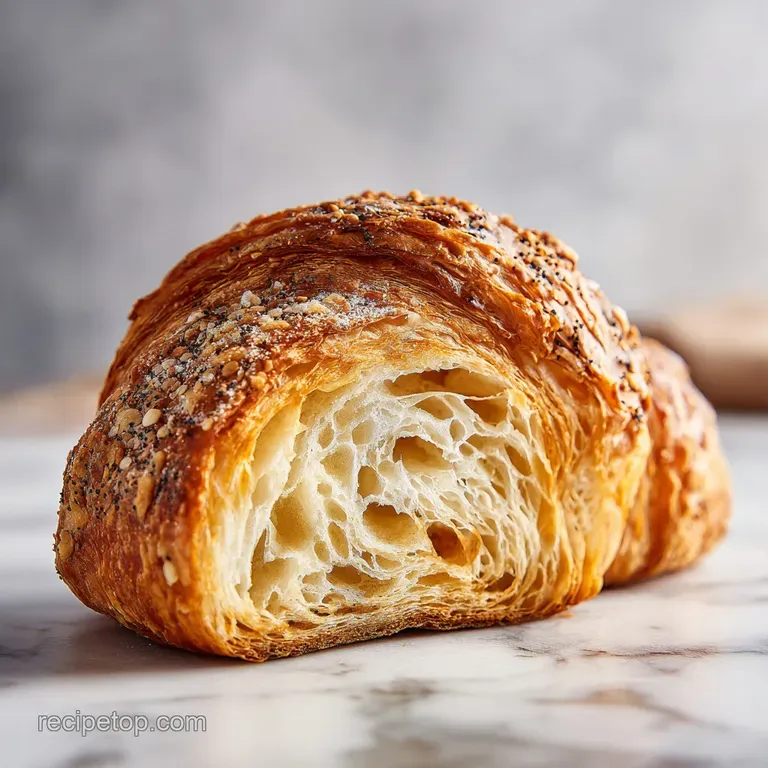
- Flavor/Texture Hook: Shatteringly crisp exterior with a velvety, buttery, honeycombed interior
- Perfect for: Weekend brunch, impressive holiday breakfasts, or a high end French toast base
- Achieving The Perfect Shatteringly Crisp Croissant Bread Loaf Recipe
- The Science Of Steam Powered Pastry Layers
- Selecting Budget Friendly Components For Laminated Dough
- Essential Kitchen Tools For A Flaky Result
- Turning Dough Into Golden Flaky Layers Of Joy
- Solving The Mystery Of Leaking Butter And Sogginess
- Vital Statistics For Your Morning Pastry Success
- Debunking Common Lamination Myths
- Proper Methods For Storing And Reviving Pastries
- Best Ways To Feature Your Homemade Creation
- Recipe FAQs
- 📝 Recipe Card
Achieving The Perfect Shatteringly Crisp Croissant Bread Loaf Recipe
There is a specific sound that happens when you press a serrated knife into a fresh loaf of this bread, a distinct crackle that signals a thousand tiny layers of butter are about to give way.
The first time I tried making this croissant bread loaf recipe, I was absolutely convinced I’d mess it up because my kitchen was too warm and I’m notoriously impatient.
I remember standing over my counter with flour on my nose, staring at a block of butter that looked more like a puddle than a pastry component, and thinking there was no way this would work.
But then, the magic happened in the oven. The kitchen filled with that heavy, golden aroma of browning butter and toasted flour, and when I finally pulled the pan out, the loaf had risen into this magnificent, jagged mountain of flaky gold. It wasn't just bread; it was an event.
We ate half the loaf standing up at the counter, burning our tongues because we couldn't wait for it to cool, just pulling apart the silken layers that practically melted away.
That experience taught me that while this recipe requires time, it doesn't actually require a culinary degree. You just need to respect the chill. If you've ever felt intimidated by traditional French pastries, this loaf is your best friend.
It gives you all that luxury and "shatter" of a classic croissant but with the forgiving structure of a bread tin. Trust me, once you see those layers spiral out of your own oven, you’ll never look at store-bought bread the same way again.
The Science Of Steam Powered Pastry Layers
Understanding how a few simple ingredients transform into a towering loaf of flakes makes the process much less daunting. It all comes down to the relationship between the fat and the water content in your dough. When we laminate, we are creating a literal stack of alternating dough and butter sheets.
| Method | Time | Texture | Best For |
|---|---|---|---|
| Oven (Standard) | 35 mins | Evenly golden, maximum lift | Achieving the classic honeycomb interior |
| Stovetop (Toast Slice) | 4 mins | Crunchy edges, soft center | Quick morning snacks with jam |
| Toaster Oven | 8 mins | Very crispy exterior | Reheating individual slices without drying them out |
When the cold loaf hits the high heat of your oven, the water in the butter and the dough turns into steam. This steam has nowhere to go but up, pushing the dough layers apart before the heat sets the structure.
If the butter is too warm, it just soaks into the flour like a standard brioche, and you lose that distinct "shatter" that makes this croissant bread loaf recipe so special.
- Cold Fermentation: Resting the dough for 24 hours allows the yeast to work slowly, developing complex flavors and relaxing the gluten so it’s easier to roll.
- Butter Plasticity: Using high-quality butter with lower water content ensures the layers stay distinct rather than merging into the dough.
- Thermal Shock: Starting at a high temperature triggers "oven spring," where the steam expands rapidly to create the airy, open crumb.
- Gluten Development: Using bread flour provides the protein strength needed to hold up those heavy, buttery layers without collapsing.
Component Analysis For Success
| Ingredient | Science Role | Pro Secret |
|---|---|---|
| 500g Bread Flour | Provides structural protein | Sift it first to ensure no clumps interfere with the thin layers. |
| 250g European Butter | Creates the flaky laminations | Keep it at exactly 60°F (15°C) for the best "bendability" without melting. |
| 10g Instant Yeast | Biological leavening | Mix it directly with flour to avoid "hot spots" of fermentation. |
| 280ml Chilled Milk | Regulates dough temperature | Using milk instead of water adds sugars that help the crust turn deep mahogany. |
One thing I've learned through trial and error is that the quality of your milk matters too. Using chilled whole milk provides a richness that water just can't touch. If you find yourself enjoying this style of baking, you might also want to try your hand at a Homemade Challah Bread recipe for your next brunch, as it uses a similar enriched dough technique but without the lamination stress.
Selecting Budget Friendly Components For Laminated Dough
You don't need to spend a fortune to get a bakery quality result. While "European style" butter is recommended for its higher fat content, you can absolutely use standard supermarket butter if you're mindful of the temperature. The goal is to keep the fat from incorporating into the flour until the very last second.
- 500g bread flour: Use a high protein brand for the best lift. Why this? Essential for holding the weight of the butter layers.
- Substitute: All purpose flour (will result in a softer, less airy crumb).
- 60g granulated sugar: Feeds the yeast and aids browning. Why this? Provides a subtle sweetness that balances the salt.
- Substitute: Honey (use 45g and reduce milk by 1 tbsp).
- 10g sea salt: Tightens gluten and enhances flavor. Why this? Necessary to cut through the richness of the fat.
- Substitute: Table salt (use only 8g as it is finer).
- 10g instant yeast: The engine that drives the rise. Why this? Faster and more reliable than active dry yeast.
- Substitute: Active dry yeast (must bloom in warm milk first).
- 280ml whole milk, chilled: Adds fat and moisture. Why this? Keeps the dough temperature low during mixing.
- Substitute: Unsweetened almond milk (less rich, slightly crispier crust).
- 50g unsalted butter, softened: For the initial dough mix. Why this? Makes the base dough pliable and silky.
- Substitute: Margarine (Note: will significantly change the flavor profile).
- 250g high-quality European style unsalted butter: The "butter block." Why this? Higher fat percentage equals more defined flakes.
- Substitute: Standard unsalted butter (freeze for 10 mins before rolling).
- 1 large egg: For the final wash. Why this? Creates that glossy, professional shine on top.
- Substitute: 2 tbsp heavy cream (gives a matte, deep brown finish).
- 1 tbsp milk: To thin the egg wash. Why this? Ensures the wash spreads evenly without clumping.
- Substitute: Water (works fine, but less shine).
Essential Kitchen Tools For A Flaky Result
Having the right tools makes the "turns" (the folding process) much smoother. You don't need a fancy dough sheeter, but a heavy rolling pin is a massive help. I prefer a French style tapered pin because it gives me more control over the pressure, ensuring I don't accidentally squash my beautiful layers.
A standard 9x5 inch loaf pan is the perfect vessel for this croissant bread loaf recipe. If you use a glass pan, remember that it holds heat differently than metal, so you might need to drop your oven temp by 25°F (about 15°C) to prevent the bottom from scorching.
Also, keep a ruler handy. Being precise with your measurements during the rolling phase ensures the layers are even and the bread rises straight up rather than leaning to one side.
Chef's Tip: Freeze your rolling pin for 15 minutes before you start laminating. This keeps the dough cool and prevents the butter from softening too quickly as you work it.
Turning Dough Into Golden Flaky Layers Of Joy

- Mix the base. Combine 500g bread flour, 60g sugar, 10g salt, and 10g instant yeast in a bowl. Add 280ml chilled milk and 50g softened butter, mixing until a shaggy dough forms and no dry flour remains.
- Knead and chill. Work the dough for about 8 minutes until smooth. Shape into a flat square, wrap in plastic, and refrigerate for at least 2 hours or overnight to relax the gluten.
- Create the butter block. Place your 250g of cold butter between two sheets of parchment paper. Pound with a rolling pin until it forms a flat 7x7 inch square that is still pliable but cold.
- Encase the butter. Roll your chilled dough into an 11x11 inch square. Place the butter block diagonally in the center and fold the dough corners over it until the butter is completely sealed inside.
- The first turn. Roll the dough into a long rectangle (about 18 inches). Fold it like a letter top third down, bottom third up—until you have a neat, three layered stack.
- Rest and repeat. Wrap the dough and chill for 30 minutes. Repeat the rolling and folding process two more times until you have completed three "turns" in total.
- Final shape. Roll the laminated dough into a rectangle the width of your loaf pan. Roll it up tightly like a cinnamon roll until it fits snugly into your greased pan.
- Proof with patience. Let the loaf rise in a cool spot (about 70°F or 21°C) for 2 hours until it has doubled in size and looks puffy. Note: Don't use a warm proofing drawer or the butter will melt!
- Apply the wash. Whisk 1 egg with 1 tbsp milk. Gently brush the top until every crevice is lightly coated and glistening.
- Bake to gold. Bake at 375°F (190°C) for 35 minutes until the crust is deep mahogany and the internal temp reaches 190°F (88°C).
Solving The Mystery Of Leaking Butter And Sogginess
If you see a pool of butter at the bottom of your pan while baking, don't panic! This usually happens if the dough was a bit too warm when it went into the oven, or if the proofing area was too hot. The bread will still taste incredible, it might just be a little more "fried" on the bottom.
Why Your Pastry Loaf Collapsed
This is usually a sign that the yeast over worked or the structure wasn't strong enough. If the loaf rises beautifully but then sinks the moment you pull it out, it likely needed another five minutes in the oven. The steam inside needs to be fully replaced by air to maintain that honeycomb structure.
| Problem | Root Cause | Solution |
|---|---|---|
| Butter leaking out | Proofing temp too high | Keep proofing environment below 75°F (24°C). |
| Dough is hard to roll | Gluten is too tight | Let the dough rest in the fridge for 20 mins longer. |
| Layers are merging | Butter is too soft | Work faster and keep everything chilled between steps. |
Common Mistakes Checklist
- ✓ Always use chilled milk; warm liquids will melt your butter layers before they even hit the oven.
- ✓ Don't skip the fridge rests; the dough needs time to "forget" it was rolled so it doesn't shrink back.
- ✓ Avoid over proofing; if the dough gets too big, the air bubbles will pop and the loaf will be dense.
- ✓ Use a serrated knife for slicing; a straight blade will squash those delicate layers you worked so hard on.
- ✓ Ensure your oven is fully preheated for at least 20 minutes before the loaf goes in.
Vital Statistics For Your Morning Pastry Success
When you're scaling this recipe, keep in mind that lamination is all about ratios. If you want to make two loaves, it's usually better to make two separate batches of dough rather than one giant one, simply because a massive piece of dough is very difficult to roll out evenly on a home counter.
For those looking for a slightly different flavor profile that still hits those sweet morning notes, you might enjoy my Banana Bread Cinnamon recipe. It's a great way to use up overripe fruit while still getting that bakery style feel.
| Servings | Flour Amount | Pan Size | Cook Time |
|---|---|---|---|
| 5 People | 250g | Mini Loaf Pan | 25 mins |
| 10 People | 500g | 9x5 inch Pan | 35 mins |
| 20 People | 1000g | Two 9x5 inch Pans | 40 mins |
If you are cutting the recipe in half, be careful with the egg wash. Beat one egg in a small bowl, then use only half of it for the wash, as using a whole egg on a small loaf will lead to an overly thick, rubbery crust.
When doubling, keep your spices and salt at about 1.5x the original amount to avoid overwhelming the palate.
Debunking Common Lamination Myths
A huge myth is that you need "specialty" flour from France to make a good croissant bread loaf recipe. While high-quality flour is great, your local supermarket bread flour works perfectly because it has the protein strength required for the rise. You don't need a specific brand to get that "shatter."
Another misconception is that you have to use a marble rolling board. While marble stays cool, a clean wooden or laminate countertop works just fine as long as your kitchen isn't sweltering.
If you're worried about heat, you can always place a few bags of frozen peas on your counter for 10 minutes before you start rolling to chill the surface.
Proper Methods For Storing And Reviving Pastries
Storing this loaf correctly is the difference between a "day two" treat and a disappointment. Because of the high butter content, this bread actually holds moisture quite well, but the crust will soften over time.
- Storage: Keep the loaf in a paper bag at room temperature for up to 2 days. Avoid plastic bags if possible, as they trap moisture and turn the crispy layers soggy.
- Freezing: This bread freezes beautifully! Slice it first, then wrap the slices tightly in foil and place them in a freezer bag for up to 2 months. You can pop a frozen slice directly into the toaster for a "just baked" experience.
- Zero Waste: If the loaf does go stale, do not throw it away. Stale croissant bread makes the world's best French toast or bread pudding because the open crumb acts like a sponge for the custard. You can also dry out cubes in the oven to make decadent, buttery croutons for a winter salad.
Best Ways To Feature Your Homemade Creation
The absolute best way to eat this is slightly warm with nothing but a thin smear of salted butter. You want to be able to taste all those layers. However, if you're feeling fancy, this bread is the ultimate base for a "Croque Monsieur." The buttery loaf stands up perfectly to béchamel sauce and salty ham.
If you have a sweet tooth, try thick slices toasted and topped with fresh raspberries and a drizzle of honey. The tartness of the berries cuts through the richness of the bread perfectly. If you're a fan of treats that are both soft and slightly crunchy, you might also find that my Soft and Chewy recipe hits that same satisfying texture profile.
No matter how you serve it, remember that the "shatter" is the star. When you slice into it and flakes go flying across the table, don't apologize that’s just the sign of a job well done. Enjoy every buttery bite!

Recipe FAQs
Can you make a croissant loaf?
Yes, absolutely. This recipe adapts the traditional lamination process into a loaf format, resulting in a buttery, flaky crumb inside a familiar bread shape.
How is a croissant loaf different from traditional croissants?
A croissant loaf uses the same laminated technique but skips the shaping. Instead of rolling and cutting individual crescents, the final dough sheet is rolled up tightly and baked in a standard loaf pan.
Is croissant bread better than regular bread?
Better is subjective, but it offers a superior texture experience. It boasts thousands of delicate, buttery layers that shatter when cut, which is far richer than standard sandwich bread.
What is the difference between brioche bread and croissant bread?
Brioche is an enriched dough mixed thoroughly, while croissant bread is laminated. Brioche uses high amounts of butter and eggs mixed directly into the dough; croissant bread achieves flakiness by folding a solid block of butter through the dough layers repeatedly.
What is the minimum chilling time required between folding "turns"?
Rest the dough for at least 30 minutes between each of the three required folds. This chilling time allows the gluten to relax, preventing the dough from snapping back when you try to roll it thin.
How do I prevent the butter block from melting during lamination?
Keep the butter pliable but very cold, aiming for about 60°F (15°C), and work quickly. If you master temperature control here, you'll achieve distinct layers, a principle also key to achieving the smooth texture in our Eggless Cheesecake Delight recipe.
What's the best way to reheat a slice of the finished loaf?
Toast the slice in a standard toaster or a skillet until the edges crisp up. You want to reactivate that buttery exterior crust for the best textural contrast.
Flaky Croissant Bread Loaf

Ingredients:
Instructions:
Nutrition Facts:
| Calories | 449 kcal |
|---|---|
| Protein | 7.2 g |
| Fat | 26.3 g |
| Carbs | 45.3 g |
| Fiber | 1.4 g |
| Sugar | 7.4 g |
| Sodium | 402 mg |
