Baked Spaghetti: Creamy and Golden Casserole
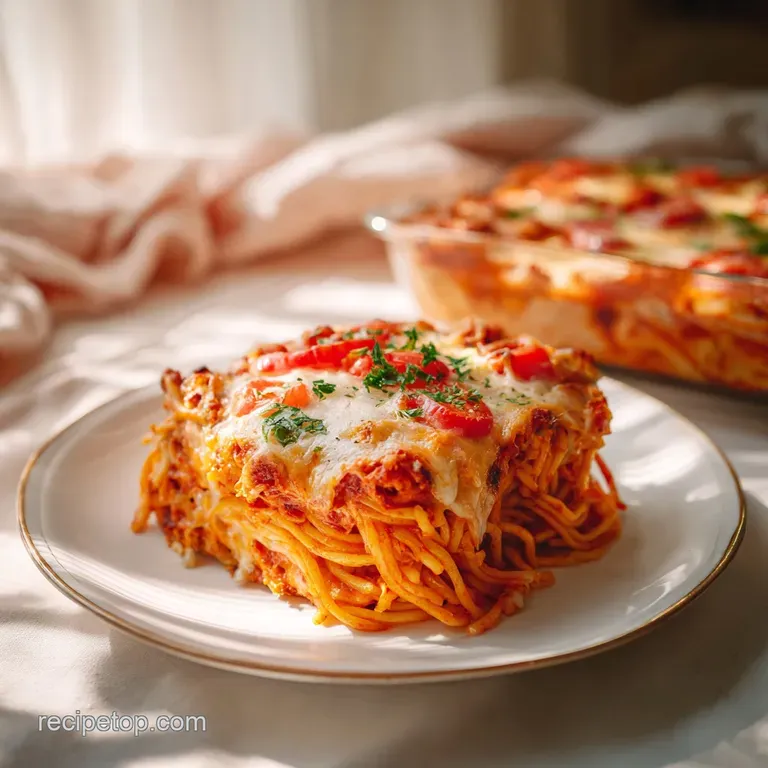
- Time: Active 20 minutes, Passive 40 minutes, Total 60 minutes
- Flavor/Texture Hook: A velvety, cream cheese-infused center with a golden, bubbly cheese crust.
- Perfect for: Stress free weeknight dinners, potlucks, and freezer friendly meal prep.
- Learn how to make delicious baked spaghetti for your family
- Key results and timing for this recipe
- Selecting the right elements for your pasta bake
- Essential tools for a perfect outcome
- Step by step guide to the ultimate dinner
- Fixing common issues and avoiding kitchen mistakes
- Creative ways to change the flavor profile
- Keeping leftovers fresh and reducing kitchen waste
- Why rinsing pasta is a bad idea
- Final touches for a beautiful family meal
- High in Sodium
- Recipe FAQs
- 📝 Recipe Card
Learn how to make delicious baked spaghetti for your family
The kitchen smells like a classic Italian deli right now because the garlic is hitting that hot fat in the skillet, and the oregano is blooming in the marinara. If you've ever served spaghetti to a crowd and ended up with a pile of lukewarm, slippery noodles that slide off the plate, you know why I switched to the baked method.
It is a total lifesaver for busy nights when I need something that stays hot and actually holds its shape when I slice into it.
I remember the first time I brought this to a neighborhood block party. I was worried it might just be "another pasta dish," but the tray was scraped clean before the burgers were even off the grill. The secret isn't just the cheese on top, it is the hidden layer of cream cheese and ricotta in the middle.
It creates this rich, silky texture that prevents the pasta from drying out in the oven.
This is the ultimate quick win for your weeknight rotation. You get all the comfort of a slow simmered lasagna but with about half the effort and a much friendlier price tag. We are going to use basic pantry staples to create something that feels substantial and special, and I'll show you exactly how to avoid the common mistake of ending up with mushy noodles.
Key results and timing for this recipe
Moisture Barrier: The mixture of cream cheese and egg coats the pasta, creating a waterproof seal that prevents the sauce from soaking in and making the noodles soggy.
Pasta Structural Integrity: By boiling the spaghetti for 3 minutes less than the package instructions, we allow it to finish cooking inside the sauce, absorbing flavor instead of just water.
Carryover Heat Management: Resting the dish for 10 minutes after baking allows the proteins in the cheese and egg to set, ensuring clean, stackable slices rather than a collapsed pile.
Fat Distribution: Using 80/20 ground beef provides enough rendered fat to sauté the aromatics deeply, which builds a savory base without needing extra oil.
| Thickness | Internal Temp | Rest Time | Visual Cue |
|---|---|---|---|
| 5 cm (Full Tray) | 74°C (Center) | 10 minutes | Bubbling edges and golden brown spots |
| 2.5 cm (Half Tray) | 74°C (Center) | 5 minutes | Cheese pulls away slightly from edges |
| Individual Ramekin | 74°C (Center) | 2 minutes | Surface is firm and matte, not glossy |
The difference between a standard stovetop pasta and this bake is all about the texture of the cheese. In a stovetop version, the cheese melts into the sauce and disappears. Here, we create distinct layers that offer a variety of sensations in every bite, from the crispy edges of the mozzarella to the velvety interior.
Selecting the right elements for your pasta bake
Choosing the right ingredients is the difference between a "good" dinner and the one everyone asks for on their birthday. I always reach for a premium marinara because it serves as our primary seasoning base. If the sauce is bland, the whole dish will be under seasoned.
I also prefer 80/20 ground beef because that extra bit of fat carries the flavor of the garlic and onion much better than lean 93/7 beef ever could.
The pasta choice is also a big deal. While we are learning how to make delicious baked spaghetti, this method works for penne or rigatoni too. However, spaghetti has more surface area for that cream cheese binder to cling to.
It creates a dense, satisfying "cake" of pasta that holds up beautifully under the weight of the meat sauce.
| Ingredient | Science Role | Pro Secret |
|---|---|---|
| Cream Cheese | Emulsifier & Barrier | Use full fat blocks; the stabilizers keep the sauce from breaking in high heat. |
| Large Egg | Protein Binder | Acts as the "glue" that allows you to cut the spaghetti into clean squares. |
| 80/20 Beef | Flavor & Moisture | The rendered fat browns the onions better than olive oil, adding deep umami. |
| Provolone | Structural Melt | Provolone has a higher melting point than mozzarella, providing "stretch" and bite. |
For a completely different flavor profile that still hits those comfort notes, you might enjoy trying my Thai Peanut Noodles recipe. It uses a similar pasta base but swaps the heavy dairy for a bright, savory nut sauce that is equally satisfying for a quick meal.
Essential tools for a perfect outcome
You don't need a professional kitchen to pull this off, but a few specific items make the process much smoother. A heavy bottomed skillet is non negotiable for browning the beef. If your pan is too thin, the meat will steam in its own juices instead of getting those crispy, browned edges that provide the "sizzle" we want.
A 23x33 cm (9x13 inch) baking dish is the standard here. I prefer ceramic or glass because they distribute heat more evenly than thin metal pans. If you use metal, just keep an eye on the bottom layer to make sure it doesn't brown too quickly. Also, a good colander is essential for that "stop clock" pasta drain.
We need to get that water off the noodles the second they hit that 3 minute early mark.
For the Pasta & Binder
- 450g (16 oz) spaghetti: Look for a brand with a rough texture (bronze cut) to help the sauce stick.
- 225g (8 oz) cream cheese: Must be softened to room temperature or it won't blend smoothly.
- 240ml (1 cup) ricotta cheese: Whole milk ricotta provides a much creamier mouthfeel than skim.
- 1 large egg: Beaten well to ensure it incorporates evenly without leaving "scrambled" bits.
- 50g (1/2 cup) Parmesan cheese: Grate it fresh if you can; the pre shaken stuff has anti clumping agents that affect the melt.
For the Meat Sauce
- 450g (1 lb) ground beef: 80/20 ratio for the best flavor to fat balance.
- 1 small yellow onion: Finely diced so it melts into the sauce.
- 3 cloves garlic: Minced fresh for that punchy aroma.
- 800g (28 oz) marinara sauce: Use your favorite high-quality store brand.
- 1 tsp dried oregano: Rub it between your palms before adding to release the oils.
- 1/2 tsp red pepper flakes: Adds a subtle back of-the throat warmth without being "spicy."
For the Topping
- 200g (2 cups) mozzarella cheese: Shredded from a block melts significantly better than pre shredded.
- 115g (1/2 cup) provolone slices: Adds a sharp, smoky contrast to the mild mozzarella.
- 15g (1/4 cup) fresh parsley: Chopped fine for a hit of color and freshness at the end.
| Original Ingredient | Substitute | Why It Works |
|---|---|---|
| Ground Beef | Ground Turkey | Leaner, but the ricotta/cream cheese adds back the necessary moisture. |
| Ricotta Cheese | Cottage Cheese | Similar protein structure. Note: Blend it first if you dislike the "curds" texture. |
| Marinara Sauce | Crushed Tomatoes | Use with extra salt/herbs. It creates a fresher, less sweet sauce profile. |
step-by-step guide to the ultimate dinner
Preheat your oven to 175°C (350°F). Lightly grease your 23x33 cm baking dish with butter or non stick spray. Note: This ensures the cheese edges release easily when serving.
Brown the 450g ground beef and diced onion in a large skillet over medium high heat. Cook until the beef is crumbly and no pink remains. This should take about 8-10 minutes.
Drain the excess fat from the skillet, but leave about a tablespoon in the pan for flavor. Stir in the 3 minced garlic cloves and cook for 1 minute until the aroma fills the room but the garlic is still pale.
Pour in the 800g marinara sauce, oregano, and red pepper flakes. Lower the heat and simmer for 10 minutes. Note: Simmering reduces the water content, making the sauce more concentrated.
Boil the 450g spaghetti in a large pot of salted water. Drain the pasta exactly 3 minutes before the package says 'al dente'. It will look slightly stiff, which is exactly what we want.
In a large bowl, whisk the egg, softened cream cheese, ricotta, and Parmesan until smooth. Toss the hot, drained spaghetti into this mixture. Stir until every strand is coated in a velvety white sauce.
Spread 240ml (1 cup) of the meat sauce into the bottom of the prepared baking dish. This prevents the bottom layer of pasta from sticking or getting crunchy.
Add all of the cream cheese coated spaghetti in an even layer. Pour the remaining meat sauce over the top and spread it to the edges.
Lay the provolone slices across the top, then sprinkle the 200g shredded mozzarella over everything. Garnish with the fresh parsley.
Bake for 30-40 minutes until the cheese is bubbling vigorously and the peaks turn golden brown. Let the dish rest on the counter for 10 minutes before slicing.
Fixing common issues and avoiding kitchen mistakes
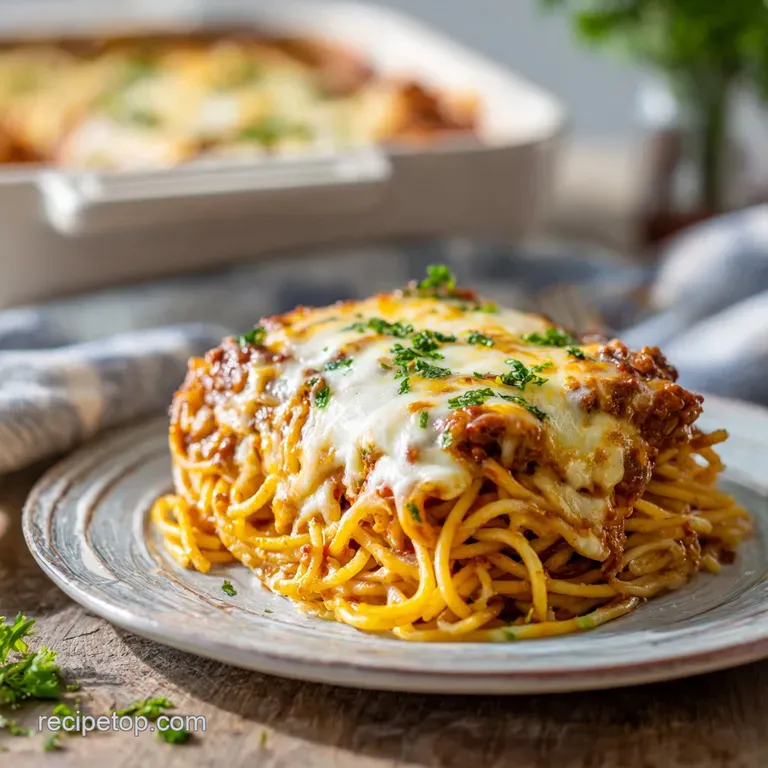
One of the biggest hurdles when learning how to make delicious baked spaghetti is dealing with "puddling." If you see a pool of liquid at the bottom of your dish, it's usually because the pasta wasn't drained well enough or the sauce was too watery.
Simmering the sauce for the full 10 minutes is a step you shouldn't skip because it thickens the base.
Another issue is the "dry top." If you don't spread the mozzarella all the way to the edges, the exposed noodles can become hard and brittle in the oven's dry heat. Think of the cheese as a protective blanket.
If you find your cheese is browning too fast before the center is hot, just tent the dish loosely with foil for the last 15 minutes of baking.
Why Your Baked Spaghetti is Soggier Than Expected
If your pasta feels more like mush than a structured bake, it usually comes down to the boil time. Those 3 minutes of "under cooking" are vital because the pasta acts like a sponge once it hits the oven.
If it's already fully hydrated from the boiling water, it can't absorb any of the savory fats from the meat sauce without falling apart.
| Problem | Root Cause | Solution |
|---|---|---|
| Watery base | Pasta wasn't drained well or sauce was thin | Simmer sauce longer and let the pasta steam dry in the colander for 2 mins. |
| Dry, crunchy noodles | Exposed pasta on the surface | Ensure cheese and sauce cover every single strand of spaghetti to the edges. |
| Layers falling apart | Slicing the dish while too hot | Wait a full 10 minutes. The egg needs to cool slightly to set the structure. |
Common Mistakes Checklist
- ✓ Don't rinse the pasta after boiling; the natural starches help the cheese binder stick to the noodles.
- ✓ Soften the cream cheese completely; cold lumps will not incorporate and will leave white spots in the bake.
- ✓ Brown the meat thoroughly; "gray" meat lacks the depth of flavor that comes from a deep brown sear.
- ✓ Use a large enough pot for the pasta; crowded noodles cook unevenly and stick together in clumps.
- ✓ Let the dish rest; this is the hardest part, but it's the secret to those perfect "lasagna style" squares.
Creative ways to change the flavor profile
This recipe is a fantastic canvas for whatever you have in the fridge. If you're looking for a budget friendly way to feed more people, you can easily double the onions and add finely chopped bell peppers or mushrooms to the meat sauce. It adds bulk and nutrition without significantly increasing the cost. For a more festive occasion, this pairs beautifully with a Buffalo Chicken Dip recipe if you're doing a big spread of "crave able" comfort foods.
The Garden Variation
To make this feel a bit lighter, I sometimes swap half the ground beef for finely chopped spinach and sautéed zucchini. You still get the richness from the ricotta and cream cheese, but the vegetables add a nice snap and freshness.
Just make sure to squeeze all the water out of the spinach before adding it, or you'll end up with a watery mess.
The Spicy Calabrian Twist
If your family likes heat, swap the ground beef for spicy Italian sausage. Remove the casings and brown it just like the beef. You can also add a tablespoon of chopped Calabrian chilis to the marinara. This version is incredible with the creamy middle layer because the dairy helps balance out the spice.
| Premium Option | Budget Shortcut | Flavor Impact | Savings |
|---|---|---|---|
| Fresh Italian Sausage | Ground Beef + Fennel | Very similar savory profile | Save $2-3 per kg |
| Fresh Mozzarella Ball | Pre shredded Mozzarella | Less "creamy" melt but still good | Save $4 per batch |
| Homemade Marinara | Canned Tomato Sauce + Herbs | Less complex but very clean | Save $3 per jar |
Keeping leftovers fresh and reducing kitchen waste
Storing this dish is a dream. Because of the high fat content in the cheeses and meat, it doesn't dry out nearly as fast as regular pasta. I actually think it tastes better on day two because the garlic and oregano have had more time to penetrate the noodles.
To keep it from getting "fridge smells," press a piece of plastic wrap directly onto the surface of the leftovers before putting the lid on the container.
- Fridge
- Store in an airtight container for up to 4 days.
- Freezer
- This freezes exceptionally well for up to 3 months. I recommend freezing it in individual portions so you can grab a quick lunch.
- Reheating
- The microwave works, but the oven is better. If using the oven, add a splash of water to the dish and cover with foil at 160°C until hot.
For zero waste cooking, don't throw away those parsley stems! I keep them in a bag in the freezer to throw into my next batch of beef stock. Also, if you have a tiny bit of ricotta left in the tub, stir it into your morning scrambled eggs it makes them incredibly fluffy.
Why rinsing pasta is a bad idea
Many people think rinsing pasta stops the cooking process, and while that's technically true, it's a mistake for a bake. When you rinse pasta, you wash away the surface starch. That starch is the "velcro" that allows the cream cheese and ricotta mixture to cling to the spaghetti.
Without it, the sauce will just slide off the noodles and pool at the bottom of the pan.
Another myth is that you need to add oil to the pasta water to keep it from sticking. Oil actually creates a slick coating on the noodles that prevents the sauce from adhering. If you have enough water in the pot and you give it a good stir in the first two minutes of boiling, the noodles won't stick.
The only thing you should ever add to your pasta water is a generous amount of salt it should taste like the sea.
Final touches for a beautiful family meal
Presentation doesn't have to be fancy to be effective. Since this is a rustic, homey dish, I like to serve it right out of the ceramic baker. The contrast of the red sauce peeking through the white and golden cheese is already quite beautiful.
However, a final sprinkle of fresh parsley right before it hits the table adds a pop of green that makes it look like it came from a bistro.
If you really want to wow your family, serve this with a simple side of garlic bread and a crisp green salad. The acidity of a vinaigrette cuts through the richness of the three cheese pasta perfectly. If you are in the mood for a different kind of bowl based meal that feels just as complete, check out my Bang Bang Chicken Bowl recipe. It’s a great way to mix up your weeknight routine with something a bit more zesty.
When you go to slice the baked spaghetti, use a sharp serrated knife or a bench scraper. This helps cut through the spaghetti strands without dragging the cheese topping all over the place. I usually go for 8 large squares, but you can easily cut smaller portions if you're serving this alongside other dishes.
It's a forgiving, sturdy, and absolutely delicious meal that has never let me down.
High in Sodium
1120 mg 1120 mg of sodium per serving (49% 49% of daily value)
The American Heart Association recommends no more than 2,300mg of sodium per day, with an ideal limit of about 1,500mg for most adults.
Tips to Reduce Sodium
-
Choose Low-Sodium Marinara Sauce-20%
The marinara sauce is a major contributor to sodium. Look for a low-sodium or no-salt added version. This can significantly cut down on the overall sodium content of your dish.
-
Reduce Parmesan and Provolone-15%
Parmesan and provolone cheeses are quite salty. Halve the amount of Parmesan used in the filling and consider using a lower sodium provolone for the topping, or omit it entirely.
-
Use Part Skim Ricotta-5%
While not as high in sodium as some other cheeses, using part skim ricotta can offer a slight reduction in sodium and fat without compromising texture.
-
Boost Flavor with Herbs and Spices
Increase the fresh parsley and consider adding other no-sodium flavor boosters like fresh basil, black pepper, or a pinch of nutmeg to the filling to compensate for reduced saltiness.
-
Sauté Aromatics for Depth
Sautéing the onion and garlic until softened and slightly caramelized can add a wonderful depth of flavor, which may help you feel less reliant on added salt.
Recipe FAQs
How to make spaghetti taste amazing?
Brown the ground beef thoroughly until deep mahogany in color. This creates a savory crust that adds significant depth to the marinara sauce compared to meat that is merely gray.
Do you cover spaghetti when you bake it in the oven?
No, leave it uncovered. Leaving the top exposed allows the mozzarella and provolone to melt into a golden, bubbly crust rather than steaming the cheese.
What is the one ingredient that makes spaghetti sauce so much better?
Minced garlic sautéed in leftover beef fat. If you enjoyed learning how to extract maximum flavor from aromatics here, see how we use a similar flavor boosting technique in other savory dishes.
What are some common pasta bake mistakes?
Rinsing the pasta after boiling. You must keep the natural starches on the noodles so the ricotta and cream cheese mixture can bind properly to the spaghetti.
Why does my baked spaghetti feel mushy?
Boiling the noodles for the full package time. You must drain the pasta exactly 3 minutes before it reaches 'al dente' because it continues to soften while absorbing moisture from the sauce in the oven.
Is it necessary to let the spaghetti rest before serving?
Yes, the 10-minute resting period is mandatory. This allows the cheese egg binder to firm up, ensuring you get clean, square portions instead of a collapsed pile on the plate.
How to ensure the cream cheese blends perfectly into the sauce?
Soften the cream cheese to room temperature before mixing. Cold cream cheese creates stubborn lumps that will not melt evenly, resulting in an inconsistent texture throughout the bake.
Delicious Baked Spaghetti
Ingredients:
Instructions:
Nutrition Facts:
| Calories | 673 kcal |
|---|---|
| Protein | 38 g |
| Fat | 34 g |
| Carbs | 55 g |
| Fiber | 4 g |
| Sugar | 9 g |
| Sodium | 1120 mg |
