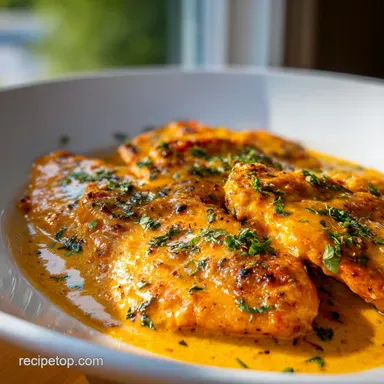
Creamy Parmesan Chicken: Easy One Pan
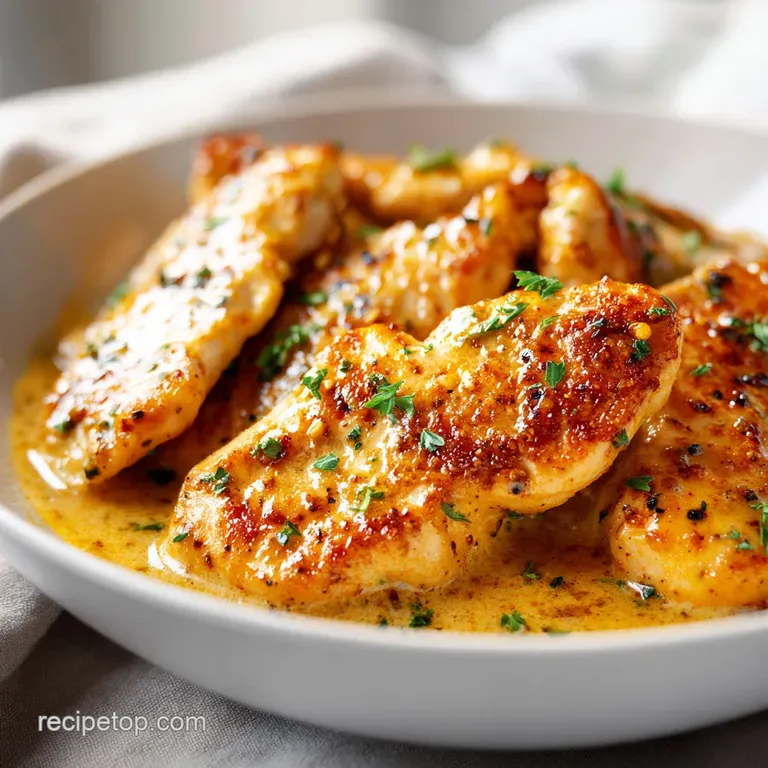
- Time: 10 min active + 20 min cook = Total 30 minutes
- Flavor/Texture Hook: Golden brown seared chicken in a silky, tangy parmesan cream
- Perfect for: Busy weeknight dinners or a quick date night meal
- Why You'll Love Creamy Parmesan Chicken
- Recipe Specs
- The Secret Behind the Texture
- Component Analysis
- Essential Pantry Ingredients
- Minimal Tool Kit
- Step-by-Step Cooking Guide
- Fixing Common Mistakes
- Troubleshooting Common Issues
- Swaps and Creative Twists
- Truths About Searing
- Storage and Waste Tips
- Plating and Presentation
- Recipe FAQs
- 📝 Recipe Card
Why You'll Love Creamy Parmesan Chicken
That loud, aggressive sizzle when the chicken hits the hot oil is the best part of my evening. It's the sound of a meal actually coming together after a long day. I remember the first time I tried to make a "proper" cream sauce in a separate pot, and I ended up with a broken, oily mess and overcooked, rubbery chicken.
I spent twenty minutes juggling three different pans, and by the time I plated it, the sauce had already formed a skin.
This dish is a total pivot from that stress. It's a classic American take on Italian inspired comfort food. While it borrows the Parmesan and garlic from Italy, the "one pan" approach is all about that mid week hustle.
It's the kind of meal that reminds me of the cozy bistro dinners we used to have, where the sauce is just a bit too rich and the chicken is perfectly golden.
You can expect a dish that's velvety and savory, with a little hit of acidity from the lemon to cut through the fat. The beauty is in the simplicity. We aren't doing anything too complex here, just using a few smart moves to make sure the meat stays juicy while the sauce gets thick and glossy.
It's an easy one pan creamy parmesan chicken that doesn't require a culinary degree to nail.
Recipe Specs
Right then, let's get into the nitty gritty. This recipe is built for speed without sacrificing that rich, restaurant style feel. Whether you're using a gas stove or an induction cooktop, the timings stay pretty consistent.
One thing to keep in mind is the pan size. I always use a 12 inch skillet. If you crowd the pan with too much chicken, the temperature drops, and instead of searing, you'll end up steaming the meat. That's how you lose the golden crust.
Decision Shortcut: If you want a thicker sauce, simmer the cream for an extra 2 minutes before adding cheese. If you want it zingier, double the lemon juice at the end. If you're serving it with pasta, reserve 1/4 cup of pasta water to loosen the sauce.
The Secret Behind the Texture
I'm always curious about why some sauces feel like glue and others feel like silk. For this recipe, it's all about how the fats and proteins interact in the pan.
- The Fond Factor: Those brown bits stuck to the bottom of the pan are flavor gold. When we add the cream, it lifts those bits, integrating the roasted chicken flavor directly into the sauce.
- Cheese Melting: Grated Parmesan doesn't just add salt, it acts as a thickener. Because it's a hard cheese, it melts into the cream to create a stable, velvety emulsion.
- Acid Balance: The lemon juice is the unsung hero. It breaks down the heaviness of the heavy cream, making the flavor pop rather than just tasting like "salt and fat".
- Meat Temperature: Patting the chicken dry removes surface moisture. This allows the oil to heat the meat instantly, creating a shatter crisp exterior.
Stovetop vs. Oven Comparison
| Feature | Stovetop (This Way) | Oven Baked |
|---|---|---|
| Time | 30 minutes | 45-60 minutes |
| Texture | Golden sear + velvety sauce | Softer meat + pooled sauce |
| Control | High - can adjust heat | Low - set it and forget it |
Component Analysis
Before we grab the ingredients, let's look at why we're using these specific items. I've learned the hard way that using pre shredded cheese can sometimes lead to a grainy sauce because of the anti clumping agents.
| Ingredient | Science Role | Pro Secret |
|---|---|---|
| Heavy Cream | Fat Base | Provides the stability needed to hold the cheese in suspension. |
| Fresh Parmesan | Thickener/Salt | Grate it yourself for a smoother, faster melt. |
| Smoked Paprika | Color/Depth | Adds a woody note that mimics grilled chicken. |
| Lemon Juice | PH Balancer | Cuts through the richness of the dairy. |
Essential Pantry Ingredients
Here is everything you need. Trust me on the "freshly grated" part for the cheese - it really makes a difference in how the sauce feels on your tongue.
For the Protein
- 1.5 lbs boneless skinless chicken breasts, sliced into thin cutlets Why this? Thin cuts cook evenly and fast.
- 2 tbsp olive oil Why this? High smoke point for searing.
- 1 tsp garlic powder Why this? Coats the meat better than fresh garlic.
- 1 tsp smoked paprika Why this? Gives a rich, golden color.
- 1/2 tsp salt Why this? Basic flavor enhancement.
- 1/4 tsp black pepper Why this? Adds a subtle bite.
Substitution Table
| Original Ingredient | Substitute | Why It Works |
|---|---|---|
| Chicken Breast | Chicken Thighs | More fat and flavor. Note: Will need 2-3 extra mins of cook time. |
| Heavy Cream | Full fat Coconut Milk | Similar viscosity. Note: Adds a tropical flavor, best with lime instead of lemon. |
| Parmesan Cheese | Pecorino Romano | Similar saltiness. Note: Sharper, more pungent taste than Parmesan. |
| Olive Oil | Avocado Oil | Very high smoke point. Note: Neutral flavor, won't change the dish. |
For the Creamy Sauce
- 2 tbsp unsalted butter Why this? Adds a nutty, rich base to the sauce.
- 4 cloves garlic, minced Why this? Fresh punch of aromatics.
- 1 cup heavy cream Why this? Essential for the velvety texture.
- 3/4 cup Parmesan cheese, freshly grated Why this? The star flavor and thickener.
- 1 tbsp fresh parsley, chopped Why this? Freshness and color contrast.
- 1 tsp lemon juice Why this? Balances the fat.
You can serve this pan creamy parmesan chicken with a variety of sides. If you're looking for something equally comforting, my Homemade Mac and Cheese is a great side for a real cheat day feast.
Minimal Tool Kit
You don't need a kitchen full of gadgets for this. In fact, the fewer tools you use, the easier the cleanup is.
- 12 inch skillet: Stainless steel or cast iron is best for getting that deep sear. Non stick works, but you won't get as much "fond" (those tasty brown bits).
- Tongs: Much better than a spatula for flipping cutlets without tearing the meat.
- Whisk: Essential for getting the Parmesan fully integrated into the cream without lumps.
- Meat Thermometer: The only way to be 100% sure you aren't overcooking the breast.
Step-by-step Cooking Guide
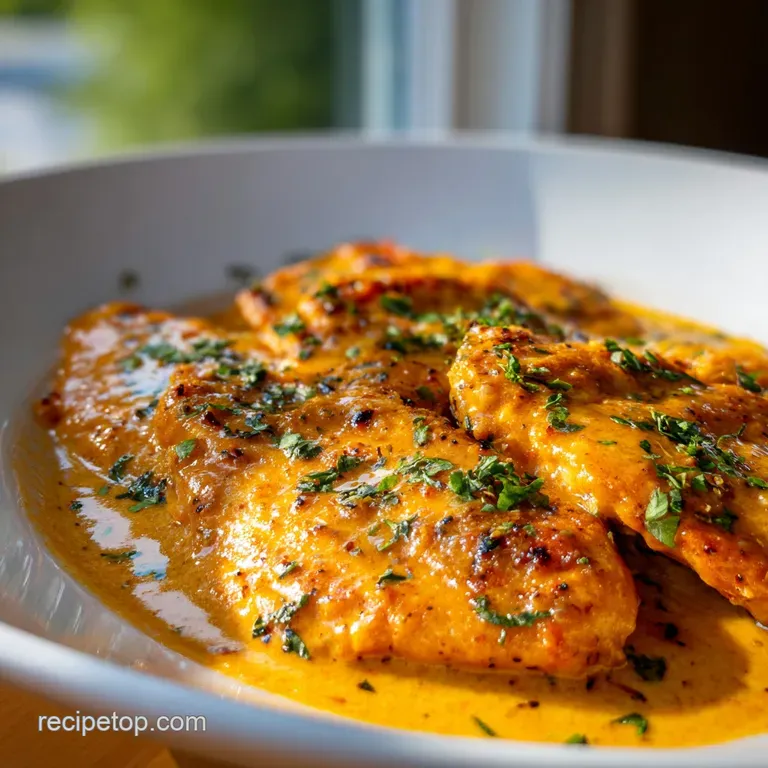
Let's crack on. Keep your ingredients prepped and ready (mise en place) so you aren't chopping garlic while the chicken is burning.
- Pat the chicken breasts completely dry with paper towels. In a small bowl, combine salt, pepper, garlic powder, and smoked paprika. Season both sides of the chicken cutlets evenly. Note: Dry meat sears; wet meat steams.
- Heat olive oil in a 12 inch skillet over medium high heat until it shimmers. Add the chicken in a single layer and sear for 3-5 minutes per side until golden brown and the internal temperature reaches 165°F (74°C). Remove chicken and set aside on a plate.
- Reduce heat to medium. Melt the butter in the same pan, scraping up the browned bits (fond). Stir in minced garlic and cook for 1 minute until fragrant.
- Pour in the heavy cream and bring to a gentle simmer for 2-3 minutes until it begins to thicken slightly.
- Stir in the grated Parmesan cheese and whisk constantly until the sauce is smooth. Stir in the lemon juice and parsley.
- Return the chicken and any accumulated juices to the pan, spooning the sauce over the meat for 1-2 minutes to glaze.
Chef's Tip: If the sauce feels too thick after adding the cheese, splash in a tablespoon of water or chicken broth. It loosens the proteins and brings back that glossy shine.
Fixing Common Mistakes
Even the best of us mess up a sauce occasionally. Most of the time, it's just a matter of temperature.
Troubleshooting Common Issues
| Issue | Solution |
|---|---|
| Why Your Sauce Separated | If you see little bubbles of oil floating on top, the sauce has "broken". This usually happens if the heat is too high or if you used a low quality cheese with too many additives. You can usually fix |
| Why Your Chicken Is Dry | Chicken breasts are lean and overcook in seconds. If you leave them in the sauce too long, they'll turn into rubber. Use a thermometer to hit exactly 165°F, then pull them out. The "glazing" step at t |
| Why Your Sauce Is Grainy | This is almost always caused by adding the cheese to boiling cream. The high heat causes the proteins in the cheese to clump. Keep the heat at a gentle simmer, not a rolling boil, when stirring in the |
Quick Check for Success
- ✓ Meat is patted dry before seasoning.
- ✓ Pan is medium high before the first sear.
- ✓ Cheese is freshly grated, not from a bag.
- ✓ Sauce is simmered, not boiled, during the cheese phase.
- ✓ Chicken is removed from pan before sauce is built.
Swaps and Creative Twists
Once you've mastered the basic one pot creamy parmesan chicken, you can start playing with the flavors. I love changing this up based on what's in my fridge.
For a more "forest" vibe, add some sliced mushrooms during step 3, right after the garlic. The mushrooms soak up that butter and chicken fat, adding a deep, earthy flavor. If you want some color, stir in a handful of baby spinach at the very end until it just wilts.
If you're feeling adventurous, you can swap the protein. This same sauce works beautifully with salmon. If you like that idea, you might also enjoy my Marry Me Salmon for a similar rich, garlic heavy experience.
Scaling Guidelines
Scaling Down (for 2 people): Use 0.75 lbs of chicken and half the sauce ingredients. Use a smaller 8 inch or 10 inch pan. Reduce the simmering time for the cream by about 1-2 minutes since there's less volume to heat up.
Scaling Up (for 6-8 people): Don't try to cook all the chicken at once unless you have a massive commercial skillet. Work in two batches to maintain the sear. Increase the spices to 1.5x only - don't double the salt, as the Parmesan already adds a lot of sodium.
Truths About Searing
I've seen a lot of people say that searing meat "seals in the juices." Honestly, that's just not true. According to the experts at Serious Eats, moisture loss happens regardless of whether you sear the meat or not. The real reason we sear is for the flavor. The browning creates complex compounds that you just can't get from boiling or baking.
Another myth is that you need to "rest" chicken breasts for a long time like you would a steak. While a 5 minute rest is helpful, you don't need to wait 20 minutes. Since we're putting the chicken back into a warm sauce, it stays moist and temperature stable anyway.
Storage and Waste Tips
If you have leftovers, this dish actually keeps quite well, though the sauce can thicken significantly in the fridge.
Refrigeration: Store in an airtight container for up to 3 days. Freezing: I don't recommend freezing the sauce, as the cream can separate and become grainy. However, you can freeze the seared chicken alone for up to 2 months.
Reheating for Texture: Don't microwave it on high, or the sauce will split. Instead, put it in a small pan over low heat with a splash of milk or water. This re emulsifies the sauce and brings back that velvety feel.
- Pan Sauce
- If you have leftover sauce but no chicken, toss it with some cooked orzo or pasta for a quick lunch.
- Chicken Scraps
- If you trimmed any fat or small pieces from the breasts, throw them in a freezer bag for your next batch of chicken stock.
- Parsley Stems
- Don't toss the stems! Chop them finely and add them to the garlic sauté step for extra depth.
Plating and Presentation
You've done the hard work, so let's make it look like it cost $30 at a restaurant.
Start by placing a bed of mashed potatoes, steamed asparagus, or a pile of pasta in the center of the plate. Lean two chicken cutlets against each other on top of the base. Spoon a generous amount of the sauce over the top, letting it drip down the sides.
The finishing touch is the greenery. I always add a final pinch of fresh parsley and a tiny squeeze of fresh lemon juice right before serving. The bright green against the creamy white and golden chicken makes the whole plate look vibrant.
If you have a lemon, a thin slice on the side adds a professional touch and allows your guests to add more acidity if they prefer.
Recipe FAQs
Can I freeze the leftovers?
No, I don't recommend it. The cream in the sauce can separate and become grainy during the freezing and thawing process.
Why is my Parmesan sauce grainy?
This is usually caused by high heat or low-quality cheese. If the sauce boils too vigorously or the cheese contains additives, it won't emulsify smoothly.
How to keep the chicken from getting dry?
Use a meat thermometer to pull the chicken at exactly 165°F. Chicken breasts are lean and overcook quickly, so avoid leaving them in the simmering sauce for too long.
Is it true I can season the chicken breasts while they are still damp?
No, this is a common misconception. Pat the meat completely dry with paper towels first to ensure it sears golden-brown rather than steaming.
How to make the sauce thicker?
Simmer the heavy cream for an extra minute before stirring in the Parmesan. This reduces the liquid and creates a more concentrated base.
Can I use a different creamy sauce for this chicken?
Yes, you can vary the flavor profile. If you enjoyed mastering the cream reduction here, see how the same principle works in this creamy horseradish sauce.
How to reheat the dish without the sauce splitting?
Heat the dish in a small pan over low heat. This gentle process re-emulsifies the sauce and restores the velvety texture without splitting the cream.
Creamy Parmesan Chicken in 30 Minutes