Healthy Cottage Cheese Dinner Bowls Recipe
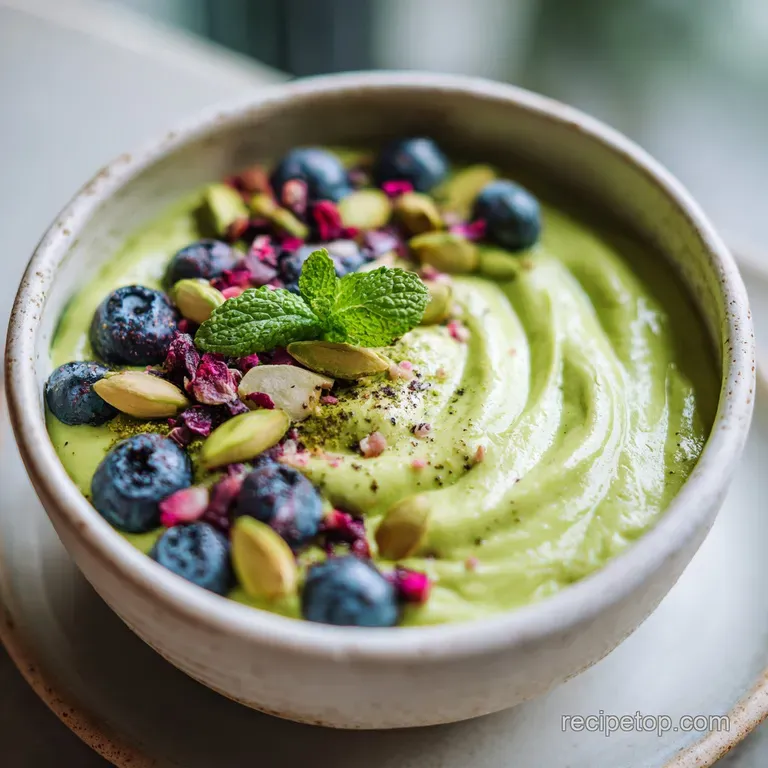
- Time: Active 15 minutes, Passive 20 minutes, Total 35 minutes
- Flavor/Texture Hook: Silky whipped base meets smoke infused roasted chickpeas
- Perfect for: High protein post workout recovery or efficient weekday meal prep
- Science Behind My Healthy Cottage Cheese Dinner Bowls Recipe
- Key Nutritional Mechanisms for Texture Success
- Analyzing the Functional Role of Ingredients
- Selecting Your Nutrient Dense Ingredients
- Essential Tools for Meal Prep Precision
- Step-by-Step Construction for Textural Balance
- Resolving Common Structural Culinary Issues
- Scaling Ratios for Large Batch Prep
- Myths Regarding High Protein Dairy Bases
- Flavor Variations for Dietary Diversity
- Freshness Preservation and Zero Waste Tips
- Serving Suggestions for Optimal Macro Balance
- High in Sodium
- Recipe FAQs
- 📝 Recipe Card
Science Behind My Healthy Cottage Cheese Dinner Bowls Recipe
The first time I heard the sizzle of cold chickpeas hitting a hot pan, I knew I was onto something beyond a standard salad. I used to think cottage cheese was just for those sad 1980s diet plates, but everything changed when I started treating it like a culinary canvas for thermal reactions.
The contrast between a cold, aerated dairy base and the over high heat shatter of a roasted legume is a sensory experience that most "healthy" recipes completely ignore.
We are moving away from the watery, chunky texture that turns most people off from this protein dense staple. By applying mechanical shear (whipping) and balancing pH levels with citric acid from lemon zest, we transform the curds into a substrate that rivals premium ricotta or Greek yogurt.
It’s about understanding the physics of the bowl layering temperatures and densities so every bite feels intentional rather than just assembled.
Key Nutritional Mechanisms for Texture Success
The Casein Matrix: Whipping cottage cheese breaks down the curd structure, allowing the individual casein molecules to trap air and create a velvety, mousse like consistency.
This mechanical aeration increases the surface area for seasonings like garlic and lemon to interact with your taste buds more efficiently.
Starch Gelatinization: Roasting the chickpeas at 200°C (400°F) causes the exterior starches to dehydrate and form a rigid, crispy shell.
Inside, the moisture is trapped, leading to a creamy interior that provides a secondary textural layer against the whipped dairy.
Lipid Emulsification: Adding extra virgin olive oil to the whipped base doesn't just add fat; it creates a temporary emulsion with the liquid whey. This coats the palate and prevents the acidic lemon notes from becoming too sharp.
| Method | Prep Time | Resulting Texture | Nutrient Density |
|---|---|---|---|
| Fast (Cold) | 5 minutes | Chunky and watery | Moderate (Raw veg) |
| Classic (Roasted) | 35 minutes | Silky and crispy | High (Bioavailable) |
| Hybrid (Whip only) | 10 minutes | Smooth but soft | Moderate |
Choosing the classic roasted method ensures that the chickpeas undergo the Maillard reaction, which develops those smoky, nutty notes that make the healthy cottage cheese dinner bowls recipe feel like a restaurant quality meal.
If you are in a rush, the cold method works, but you lose the "shatter" factor of the roasted legumes.
Analyzing the Functional Role of Ingredients
| Ingredient | Science Role | Pro Secret |
|---|---|---|
| 2% Cottage Cheese | Casein rich protein base | Use small curd for a smoother whipped texture |
| Canned Chickpeas | Structural complex carb | Dry them completely with a towel for maximum crunch |
| Smoked Paprika | Fat soluble aromatic | Bloom it in the oil during roasting for deeper color |
| Persian Cucumbers | High hydration crunch | Slice them last to maintain cellular turgor pressure |
The specific use of 2% cottage cheese is intentional; non fat versions lack the lipid structure needed to hold an aeration, while 4% can feel too heavy when combined with the olive oil. This balance ensures the healthy mediterranean chickpea recipe vibes are maintained without the meal feeling overly weighted.
Selecting Your Nutrient Dense Ingredients
For this recipe, we are focusing on ingredients that provide a high "satiety to calorie" ratio. You will need:
- 2 cups (450g) 2% small curd cottage cheese: Why this? Provides 37.5g of slow digesting protein for long lasting energy.
- Substitute: Greek Yogurt (strained) - same protein, but much more tart.
- 15 oz canned chickpeas: Why this? The starch structure holds up best to over high heat roasting.
- Substitute: Cannellini beans - will be softer and creamier, less crunchy.
- 1 tbsp extra virgin olive oil: Why this? Delivers monounsaturated fats that aid in vitamin absorption.
- Substitute: Avocado oil - higher smoke point but less peppery flavor.
- 1 tsp smoked paprika & 1/2 tsp cumin: Why this? Provides "meatiness" without the need for actual animal protein.
- Substitute: Chipotle powder for a spicier, more intense kick.
- 1 cup Persian cucumbers: Why this? Thinner skin and fewer seeds mean a more concentrated crunch.
- Substitute: English cucumber - peel if the skin feels too waxy.
- 1/4 cup red onion: Why this? Adds a necessary sulfurous "bite" to cut through the dairy fat.
- Substitute: Shallots - a milder, more sophisticated allium note.
Chef's Tip: Freeze your pine nuts for 10 minutes before dry toasting them in a pan. This prevents the delicate oils from scorching before the nut reaches a golden hue.
Essential Tools for Meal Prep Precision
To achieve the "velvety" texture mentioned earlier, a high speed blender or food processor is non negotiable. If you try to whisk cottage cheese by hand, you'll just end up with smaller curds and a lot of frustration.
I personally use a small 3 cup processor for the base as it keeps the volume concentrated around the blades.
You will also need a heavy duty rimmed baking sheet. I prefer aluminum because it conducts heat rapidly, helping the chickpeas reach that 200°C threshold quickly. If you use a silicone mat, be aware that it might slightly inhibit the "shatter" of the chickpea skin by trapping steam underneath.
A piece of parchment paper is a better compromise for easy cleanup without sacrificing texture.
step-by-step Construction for Textural Balance
Phase 1: Blistering the Protein
- Preheat your oven to 200°C (400°F).
- Drain the 15 oz of chickpeas and roll them between two kitchen towels. Note: Surface moisture is the enemy of crispiness; any water left will steam rather than fry.
- Toss the dried chickpeas on the baking sheet with 1 tbsp olive oil, smoked paprika, cumin, and sea salt.
- Roast for 20 minutes, shaking the pan halfway through, until the skins are crackling and golden.
Phase 2: Aerating the Base
- Place 2 cups of cottage cheese into your food processor.
- Add the minced garlic, lemon zest, black pepper, and 1 tbsp olive oil.
- Process on high for 60 seconds until the texture is completely silky and no curds remain.
Phase 3: Constructing the Layers
- Divide the whipped cheese into two bowls, using the back of a spoon to create a deep well in the center.
- Top with the sliced cucumbers, tomatoes, and red onion.
- Finish with a heavy handful of the warm roasted chickpeas, fresh parsley, and toasted pine nuts.
Resolving Common Structural Culinary Issues
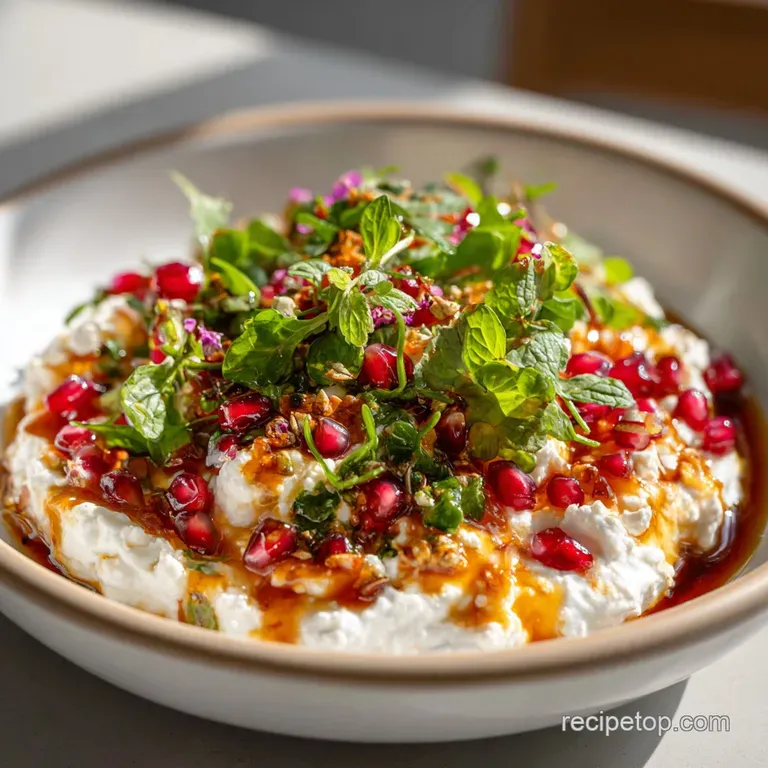
Why Your Whipped Base Is Runny
The most common culprit here is the "whey to curd" ratio. If your cottage cheese has a lot of liquid sitting at the top of the container, strain it through a fine mesh sieve for 5 minutes before blending. This ensures a thick, spreadable consistency rather than a soup.
Achieving a Thick Consistency
If you've already blended it and it's too thin, don't panic. You can whisk in a teaspoon of nutritional yeast or even a little bit of protein powder to soak up the excess moisture. However, the best fix is prevention: always start with a "dryer" curd.
| Problem | Root Cause | Solution |
|---|---|---|
| Grainy Base | Under processing | Blend for a full 60-90 seconds |
| Soggy Chickpeas | Trapped steam | Don't crowd the pan; use two pans if doubling |
| Bitter Aftertaste | Scorched garlic | Add garlic to the cold cheese, never to the hot roasting pan |
Common Mistakes Checklist:
- ✓ Ensure chickpeas are bone dry before oiling (prevents mushiness).
- ✓ Use room temperature cottage cheese for a smoother emulsion.
- ✓ Don't skip the lemon zest; the oils in the skin provide more flavor than the juice.
- ✓ Toast pine nuts separately they burn 3x faster than chickpeas.
- ✓ Slice cucumbers just before serving to prevent "weeping" into the cheese.
Scaling Ratios for Large Batch Prep
When scaling this healthy cottage cheese dinner bowls recipe for a family or a week of meal prep, you need to be careful with the aromatics. Spices like smoked paprika and cumin can become overwhelming if you simply double or triple them.
- Scaling UP (4 Servings): Use 2 cans of chickpeas but only 1.5x the salt and spices. Roast in two separate pans to ensure airflow.
- Scaling DOWN (1 Serving): Reduce everything by half, but use the same roasting time. A smaller amount of chickpeas actually roasts faster, so check them at 15 minutes.
If you are looking for more protein heavy dairy ideas, you might enjoy my Chicken Parm Cottage recipe, which uses a similar whipped technique but with warm marinara.
Myths Regarding High Protein Dairy Bases
"Cottage cheese is always high in sodium." While it does contain salt for preservation, you can easily find "no salt added" versions and control the seasoning yourself. In this recipe, the sea salt on the chickpeas provides the primary hit, so the base doesn't need much.
"Whipping cottage cheese destroys the protein." This is biologically impossible. Mechanical blending might denature the proteins slightly (which actually happens during digestion anyway), but the amino acid profile remains identical. You get all 37.5g of protein whether it's chunky or silky.
Flavor Variations for Dietary Diversity
Boosting the Protein (Non Vegetarian)
If you want to push the protein even higher, add 3 oz of grilled chicken breast or even some flaked tinned tuna. The acidity of the lemon in the base pairs beautifully with seafood.
The Low Carb Keto Swap
To make this even lower in carbs, replace the chickpeas with roasted cauliflower florets or pumpkin seeds (pepitas). You'll lose some of the fiber from the beans, but the fat to carb ratio will align better with keto goals.
Achieving a Spicy Kick
Add a dollop of harissa or a drizzle of chili crunch over the top. The capsaicin in the peppers reacts with the cool dairy to create a "hot cold" sensation that is incredibly addictive.
Freshness Preservation and Zero Waste Tips
Storage: Store the whipped base and the roasted chickpeas in separate airtight containers in the fridge for up to 4 days. If you store them together, the chickpeas will absorb moisture from the cheese and lose their "shatter" texture.
Zero Waste: Don't toss the liquid from the chickpea can (aquafaba)! You can whip it into a vegan chocolate mousse or use it as a binder in other baking projects. Also, the stems of the parsley are packed with flavor mince them finely and mix them directly into the cottage cheese base for an extra herbal hit.
Reheating: The base should always be served cold or at room temperature. To reheat the chickpeas, pop them back in the oven or an air fryer at 180°C (350°F) for 5 minutes. Avoid the microwave, as it will make them rubbery.
Serving Suggestions for Optimal Macro Balance
I love serving these bowls with a side of warm sourdough or toasted pita points. The bread acts as a vehicle for scooping up the silky base and the stray chickpeas. If you're keeping it strictly low carb, large romaine lettuce leaves make excellent "boats" for the mixture.
For a complete Mediterranean feast, pair this with a crisp glass of sparkling water with lemon or a light herbal tea. The goal is to keep the palate clean so the subtle flavors of the cumin and fresh cucumber can shine. If you find yourself with extra cucumbers and onions, they are the perfect start for a healthy mediterranean chickpea recipe the following day!
- If you want maximum crunch
- Air fry the chickpeas at 200°C for 12 minutes.
- If you want maximum creaminess
- Add 1 tbsp of heavy cream or full fat Greek yogurt to the blender.
- If you want maximum speed
- Skip the roasting and use raw, rinsed chickpeas tossed in the spices.
High in Sodium
895 mg mg of sodium per serving (39% % of daily value)
The American Heart Association recommends limiting sodium intake to no more than 2,300mg per day for overall cardiovascular health.
Smart Swaps to Lower Sodium
-
Choose Low-Sodium Chickpeas-20%
Opt for no-salt added or low-sodium canned chickpeas. Rinsing them thoroughly can also help reduce sodium content by up to 20%.
-
Select Low-Sodium Cottage Cheese-15%
Cottage cheese can be a significant source of sodium. Choose a low-sodium or reduced sodium variety to significantly lower the overall sodium content.
-
Reduce Added Salt-25%
Eliminate or drastically reduce the amount of added sea salt. Taste the chickpeas after roasting and adjust accordingly; you might not need any extra.
-
Rinse Canned Ingredients-5%
Even if using 'low sodium' canned chickpeas, rinse them thoroughly under running water for 1-2 minutes. This can remove a significant portion of the remaining sodium.
-
Boost Flavor with Herbs
Enhance the flavor profile with fresh herbs and spices instead of relying on salt. Experiment with different combinations to find your favorite blend.
-
Amplify with Acid
Increase the lemon zest to two teaspoons or squeeze a little extra lemon juice to brighten the dish without adding sodium.
Recipe FAQs
What to make with cottage cheese for dinner healthy?
Create a savory whipped bowl. Use cottage cheese as a high protein base, whip it until smooth, and layer it with roasted vegetables, herbs, and seasoned legumes like chickpeas or lentils.
Is a cottage cheese bowl healthy?
Yes, if balanced correctly. When paired with fibrous vegetables and healthy fats, it provides exceptional satiety due to the casein protein structure.
What is the healthiest thing to eat with cottage cheese?
High fiber vegetables and whole grains. Pairing it with something that offers textural contrast, like roasted, seasoned chickpeas, balances the soft texture and boosts overall nutrient absorption.
Is cottage cheese a healthy dinner?
Yes, it's an excellent lean dinner choice. It delivers high-quality, slow digesting protein necessary for evening recovery without the heavy saturated fats often found in heavier meat based dinners.
How do I make cottage cheese smooth and not chunky for a dinner bowl?
Process the curds vigorously in a high speed blender or food processor. Blend for at least 60 seconds with a small amount of liquid, like lemon juice or olive oil, until a uniform, silky texture is achieved.
Can I add meat to my cottage cheese dinner bowl?
Yes, lean cooked meats work very well. Shredded chicken breast or flaked salmon are great additions that maintain the dish's high protein profile; think of it like preparing our Jalapeno Popper Chicken recipe but using cottage cheese instead of mayonnaise.
Do I have to roast the chickpeas for this bowl?
No, but roasting is highly recommended for texture. Raw chickpeas will remain soft; roasting them creates a desirable exterior crust that contrasts beautifully with the whipped base, similar to achieving perfect texture in dough using high heat principles found in our Garlic and Butter recipe.
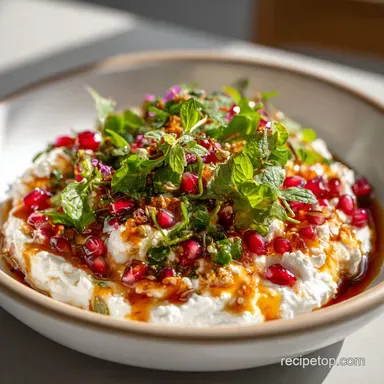
Cottage Cheese Dinner Bowls
Ingredients:
Instructions:
Nutrition Facts:
| Calories | 560 kcal |
|---|---|
| Protein | 37.5 g |
| Fat | 25.2 g |
| Carbs | 48.1 g |
| Fiber | 10.5 g |
| Sugar | 6.2 g |
| Sodium | 895 mg |
