Apple Fritter Pancakes: Crispy and Spiced
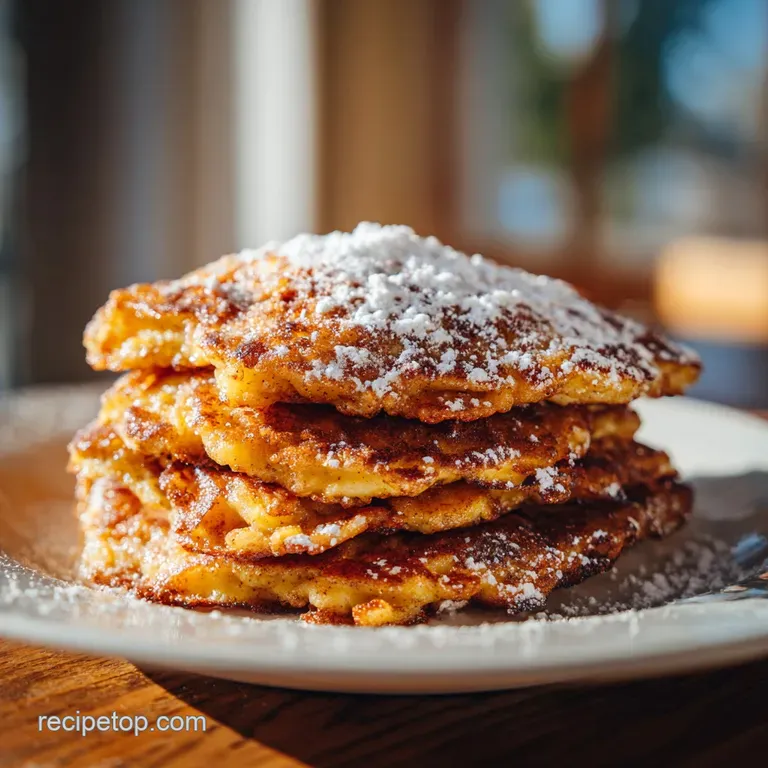
- Time: Active 15 minutes, Passive 15 minutes, Total 30 minutes
- Flavor/Texture Hook: Crispy, mahogany edges with a velvety, fruit filled center
- Perfect for: Lazy Sunday brunch or a cozy holiday breakfast
- Why Your Morning Needs This Apple Fritter Pancakes Recipe
- Simple Techniques That Create The Best Fritter Texture
- Timing And Yield Specs For Your Breakfast Planning
- Choosing The Best Elements For Your Fritter Batter
- The Simple Kitchen Tools You Will Need Today
- Your Step By Step Guide To Pancake Success
- Fixing Common Flops For A Perfect Fritter Flip
- Adjusting the Recipe for Different Groups
- Truths About Pancake Cooking Techniques
- Keeping Your Leftover Pancakes Fresh
- Tasty Variations For Your Sweet Morning Treats
- Recipe FAQs
- 📝 Recipe Card
Why Your Morning Needs This Apple Fritter Pancakes Recipe
There is a specific sound that happens on a cold morning when a knob of butter hits a hot cast iron skillet. It starts as a sharp hiss and quickly settles into a gentle bubble. That was the soundtrack to my kitchen last Tuesday when I realized I was craving a greasy, crunchy apple fritter from the local bakery but couldn't bring myself to put on real shoes.
I decided to see if I could mimic that exact experience using a simple pancakes recipe as the base.
The secret turned out to be all in the apples. Most people just fold raw fruit into the batter, but that leads to crunchy, watery pockets that never quite cook through. Instead, I stood over the stove and watched two Granny Smiths transform into a dark, bubbling pile of cinnamon scented gold.
When I swirled those into the wet batter, the kitchen filled with an aroma so thick you could practically taste it. It wasn't just breakfast anymore, it was a legitimate event.
We've all had those pancakes that look great on the outside but are weirdly gummy in the middle. I've definitely served my fair share of "oops, still raw" discs to my patient family. But this method changes the game by treating the apples as their own component.
We are going to build layers of flavor here, from the salt in the batter to the vanilla in the glaze, making sure every single forkful gives you that shattering sugar crust and soft, spiced fruit.
Simple Techniques That Create The Best Fritter Texture
Success in the kitchen often comes down to one or two tiny choices that feel small at the time but change everything. For this apple fritter pancakes recipe, it is all about moisture management and heat control.
If you add raw apples to a pancake, they release water as they cook, which dilutes the batter and makes it heavy. By sautéing them first with brown sugar and butter, we cook off that excess water and concentrate the natural sugars, creating a thick syrup that caramelizes against the pan.
Another huge factor is the "swirl" technique. Instead of mixing everything in a bowl, we add the apples directly to the pancake while it is sitting on the griddle. This prevents the fruit from sinking to the bottom of the bowl and ensures even distribution.
It also allows the sugar in the apples to make direct contact with the hot surface, creating those signature crispy, dark spots that make a fritter a fritter.
- Thermal Pre-Sauté: Cooking apples first breaks down pectin and evaporates water, ensuring the pancake center stays fluffy rather than soggy.
- Starch Hydration: Letting the batter sit for just a minute or two allows the flour to fully absorb the liquid, leading to a much better rise.
- Sugar Caramelization: The brown sugar in the apple mixture reacts with the heat of the pan to create a "mahogany" crust through a process of rapid browning.
- Leavening Activation: Double acting baking powder works once when wet and again when heated, giving us two chances for a light, airy crumb.
| Method | Time | Texture | Best For |
|---|---|---|---|
| Stovetop Skillet | 15 minutes | Crispy, buttery edges | Classic fritter experience |
| Electric Griddle | 12 minutes | Even browning, soft | Large family batches |
| Sheet Pan Oven | 20 minutes | Cake like and uniform | Hands off meal prep |
Cooking on the stovetop is my personal favorite because you get to control the "sizzle" factor. The direct heat of a skillet creates a much more authentic fritter texture than the oven ever could. While the oven is great for a crowd, you lose that specific crunch that comes from the butter in the pan.
Timing And Yield Specs For Your Breakfast Planning
When you are planning a big breakfast, timing is everything. You don't want the coffee to be cold by the time the last pancake hits the plate. This recipe is designed to be efficient, taking exactly 30 minutes from the moment you peel the first apple to the moment you drizzle the glaze.
If you follow the flow of sautéing the apples while you whisk the dry ingredients, the process feels very natural and relaxed.
The yield for this recipe is 4 servings, which usually comes out to about 8 to 10 medium sized pancakes. If you are cooking for a larger group, you can easily double the ingredients, but I recommend working in batches so you don't overcrowd the pan.
If the pan is too full, the temperature drops, and you’ll end up steaming the batter instead of frying it.
| Component | Science Role | Pro Secret |
|---|---|---|
| Granny Smith Apples | Provides acidity and structure | Peel them thinly to keep the fruit tender but visible |
| Baking Powder | Primary leavening agent | Check the expiration date; fresh powder is non negotiable |
| Brown Sugar | Hygroscopic sweetener | Pack it tight to get that deep, molasses infused syrup |
| Whole Milk | Fat and hydration | Use room temperature milk to prevent the melted butter from clumping |
Using whole milk is a small detail that makes a massive difference in the "mouthfeel" of the final product. The fat in the milk coats the flour proteins, which keeps the gluten from getting too tough.
If you've ever had a pancake that felt more like a piece of bread, it might have been because the fat content was too low or the batter was overworked.
Choosing The Best Elements For Your Fritter Batter
To get that authentic taste, we need to be picky about what goes into the bowl. I always reach for Granny Smith apples because they hold their shape under heat. If you use a softer apple like a McIntosh, it will turn into applesauce before the pancake is even flipped.
We want chunks of fruit that you can actually sink your teeth into.
For the flour, standard all purpose works best. Some people try to use cake flour for a lighter texture, but we actually need the protein structure of all purpose to hold onto those heavy, syrupy apples. If the flour is too weak, the pancake will fall apart when you try to flip it.
- 2 large Granny Smith apples: Peeled and finely diced (approx. 300g). Why this? They provide a tart contrast to the sweet glaze and don't turn mushy.
- 2 tbsp unsalted butter: Used for the apple sauté. Why this? Unsalted allows you to control the seasoning precisely.
- 2 tbsp brown sugar: Packed for the apple mixture. Why this? Adds moisture and a hint of caramel flavor.
- 2 tsp ground cinnamon: Divided between the apples and the batter. Why this? The double dose ensures the spice is present in every layer.
- 1/4 tsp nutmeg: A tiny amount for warmth. Why this? It bridges the gap between the apple and the batter flavors.
- 1 1/2 cups all purpose flour: The structural foundation. Why this? Provides enough strength to support the heavy fruit swirls.
- 2 tbsp granulated sugar: For the batter itself. Why this? Helps with browning the edges of the pancake.
- 2 tsp baking powder: Our lift. Why this? Creates those essential air pockets for a fluffy interior.
- 1/2 tsp fine sea salt: To balance the sugar. Why this? Salt is a flavor enhancer that makes the apples taste more "apple y."
- 1 cup whole milk: For richness. Why this? The fat content ensures a tender, velvety crumb.
- 1 large egg: Room temperature is best. Why this? Acts as a binder and helps the pancake rise.
- 3 tbsp unsalted butter: Melted and cooled for the batter. Why this? Fat equals flavor and prevents the pancakes from sticking.
- 1.5 tsp vanilla extract: Divided for the batter and glaze. Why this? Adds a floral, sweet aroma that completes the donut vibe.
- 1 cup powdered sugar: For the finishing touch. Why this? Creates a smooth glaze that sets into a slight crust.
- 2 tbsp whole milk or heavy cream: To thin the glaze. Why this? Milk works great, but cream makes it extra luxurious.
| Original Ingredient | Substitute | Why It Works |
|---|---|---|
| Granny Smith Apples | Honeycrisp Apples | Slightly sweeter but still holds shape well during the sauté |
| Whole Milk | Buttermilk | Adds a pleasant tang. Note: Resulting batter will be thicker |
| Brown Sugar | Coconut Sugar | Similar caramel notes with a lower glycemic index |
If you find yourself out of whole milk, you could use a Fluffy Buttermilk Pancakes approach by adding a splash of vinegar to whatever milk you have on hand. It won't be quite as rich, but the acidity will help the baking powder react even more vigorously.
The Simple Kitchen Tools You Will Need Today
You don't need a high end kitchen to make this fritter pancakes recipe, but a few specific tools will make your life much easier. I always suggest using a heavy bottomed skillet. A cast iron pan is the gold standard here because it holds heat so well.
Once it gets hot, it stays hot, which is what you need to get that mahogany color on the outside of the pancake without burning the butter.
A flexible silicone spatula is also a must have. Since these pancakes are a bit heavier than your average flapjack due to the fruit, you need a tool that can slide easily underneath without tearing the delicate, wet batter.
And don't forget a simple toothpick or a butter knife for the swirling part it sounds fancy, but it's really just about dragging the apple syrup through the batter to make those pretty patterns.
Chef's Tip: If you have an electric griddle, set it to 375°F (190°C). This is the "sweet spot" where the outside crisps up at the exact same rate the inside finishes cooking.
If you are using a standard stovetop, aim for medium heat. I like to test the pan by dropping a tiny bit of water on it. If the water dances and evaporates instantly, you’re ready to go. If it just sits there and bubbles lazily, wait another minute. A cold pan is the number one cause of flat, oily pancakes.
Your step-by-step Guide To Pancake Success
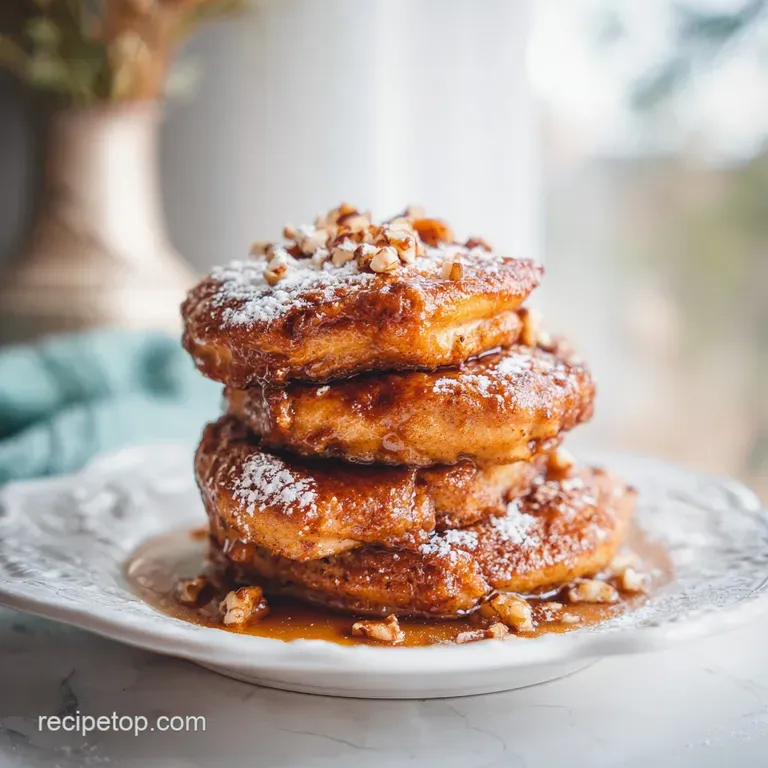
The flow of this recipe is very intentional. We start with the apples because they need a few minutes to cool down before they meet the batter. If you drop piping hot apples into cold batter, you’ll start cooking the eggs prematurely, which leads to a weird texture.
1. Sautéing the Cinnamon Apples
In a skillet over medium heat, melt 2 tablespoons of butter. Add the diced apples, brown sugar, 1 teaspoon of cinnamon, and nutmeg. Sauté for 5-7 minutes until apples are tender and coated in a thick syrup. Set aside to cool.
Note: This step is crucial for developing the deep flavor of the fritter.
2. Whisking the Velvety Batter
In a large bowl, whisk together the all purpose flour, granulated sugar, baking powder, sea salt, and the remaining 1 teaspoon of ground cinnamon. Use a large whisk to ensure there are no big clumps of flour left.
3. Mixing the Wet Elements
In a separate medium bowl, whisk together 1 cup milk, the egg, 3 tablespoons of melted butter, and 1 teaspoon of vanilla extract. Make sure your egg is at room temperature so the melted butter doesn't seize up and create little fatty pellets.
4. Combining the Two Bowls
Pour the wet ingredients into the dry ingredients and stir until just combined. Do not overmix; small lumps are acceptable. Note: Overmixing develops gluten, which will make your pancakes tough instead of fluffy.
5. Preparing the Skillet
Wipe out the skillet and add a generous pat of butter or oil over medium heat. Let it get hot enough that the butter starts to foam slightly before you proceed.
6. Frying for the Shattering Crust
Pour 1/4 cup of batter into the pan. Spoon a portion of the sautéed apples onto the wet batter and use a toothpick or knife to lightly swirl them in. Do this quickly before the top of the pancake sets.
7. Achieving the Golden Flip
Cook until bubbles form on the surface and the edges are crispy and golden. This usually takes about 2 to 3 minutes. Flip and cook the other side for 1-2 minutes until mahogany colored.
8. Finishing with the Glaze
In a small bowl, whisk the powdered sugar, 2 tablespoons of milk, and 0.5 teaspoon of vanilla extract until a thick glaze forms. Drizzle over warm pancakes before serving. The glaze should melt slightly into the warm crevices of the fruit swirl.
Fixing Common Flops For A Perfect Fritter Flip
Even the best cooks have "pancake disasters." I remember one morning where every single pancake I flipped ended up looking like a scrambled egg because I was too impatient. The biggest hurdle with this specific fritter pancakes recipe is the weight of the apples. Because they are heavy, they want to sink.
If you don't wait for those bubbles to form on the surface before flipping, the structure won't be strong enough to hold the fruit.
Another common issue is the heat. Because of the high sugar content in the apples and the glaze, these pancakes will burn much faster than plain ones. If your pan is screaming hot, the sugar will char before the middle is cooked. If you see smoke, pull the pan off the heat immediately and turn the dial down.
Why Your Pancakes Are Gummy
This usually happens if the heat is too high or if the batter was too wet. If the outside is dark brown but the inside is liquid, your pan is too hot. Lower the temperature and give them more time.
| Problem | Root Cause | Solution |
|---|---|---|
| Burnt Edges | Heat is too high or too much butter in the pan | Lower heat to medium low and wipe out excess burnt butter between batches |
| Raw Center | Pancakes are too thick or flipped too early | Flatten the batter slightly and wait for bubbles to cover the surface before flipping |
| No Rise | Expired baking powder or overmixed batter | Check your leavener and stir only until the flour streaks disappear |
I've found that using a combination of butter and a tiny bit of neutral oil (like canola) helps prevent burning. The oil raises the smoke point of the butter, giving you that buttery flavor with a bit more of a safety net.
- ✓ Always pat your diced apples dry before sautéing to avoid excess steam.
- ✓ Don't overcrowd the pan; leave at least two inches between each pancake.
- ✓ Use a thin, metal spatula if you have one for a cleaner flip.
- ✓ Let the batter rest for 5 minutes while the apples cool; it helps the fluffiness.
- ✓ Keep the finished pancakes in a 200°F (95°C) oven on a wire rack to stay crispy while you finish the batch.
Adjusting the Recipe for Different Groups
If you're cooking for one or for a massive holiday crowd, you'll need to scale this recipe. For a smaller batch (half recipe), it's pretty straightforward, but when you're doubling or tripling it, the physics of the batter changes slightly.
You don't want to just double everything blindly, especially the leavening agents and the salt.
When scaling up, I usually keep the salt and spices at about 1.5 times the original amount instead of a full 2 times. This prevents the flavor from becoming overwhelming. Also, remember that a larger bowl of batter will lose its "lift" faster.
If you're making 30 pancakes, you might want to mix the dry and wet ingredients in two separate batches to keep the baking powder fresh and active.
If you are a fan of fruity desserts, you might find that this flavor profile reminds you of an Apple Almond Cake, which is another great way to use up a harvest of fresh apples. The combination of almond and apple is a classic for a reason!
Truths About Pancake Cooking Techniques
There's a lot of "grandma's advice" out there that doesn't actually hold up when you look at how ingredients behave. One of the biggest myths is that you should never have lumps in your batter. In reality, a perfectly smooth batter is a sign of an overmixed pancake that will be tough and chewy.
Those little lumps are pockets of flour that will expand and create steam, making the pancake light.
Another myth is that you can only flip a pancake once. While flipping multiple times isn't ideal because it can deflate the air pockets, it won't ruin the meal. If you flip it and realize it's too pale, it's better to flip it back and give it another thirty seconds than to serve a raw pancake.
- Myth: You must sift the flour for it to be light. Reality: While sifting helps, whisking the dry ingredients vigorously achieves almost the same result by aerating the flour and breaking up clumps.
- Myth: The first pancake is always a "throwaway." Reality: The first pancake only fails if the pan isn't properly preheated. If you wait for the sizzle, the first one will be just as good as the last.
- Myth: Adding more eggs makes them fluffier. Reality: Too many eggs will actually make the pancake feel more like an omelet or a custard. It's the balance of baking powder and acidity that creates the lift.
Keeping Your Leftover Pancakes Fresh
If you happen to have leftovers which is rare in my house you can definitely save them for later. The key is preventing them from getting soggy. Because of the glaze and the moist apples, these pancakes hold onto humidity.
Store them in a single layer in an airtight container with a piece of parchment paper between them. They will stay good in the fridge for up to 3 days.
For long term storage, these pancakes actually freeze beautifully. Lay them out on a baking sheet in the freezer for an hour until they are hard, then toss them into a freezer bag. They'll stay fresh for up to 2 months. When you're ready for a quick breakfast, don't use the microwave; it will make them rubbery.
Instead, pop them into a toaster or a 350°F (180°C) oven for a few minutes until the edges crisp back up.
Don't let those apple peels go to waste either! I love to toss the peels and cores into a small pot with some water, a cinnamon stick, and a bit of sugar. Simmer it for twenty minutes, and you have a quick "apple tea" or a simple syrup that you can use for cocktails or to pour over oatmeal the next morning.
It’s a great way to use every part of the fruit.
Tasty Variations For Your Sweet Morning Treats
Once you've mastered the basic apple fritter pancakes recipe, you can start getting creative. I’ve found that adding a handful of toasted pecans or walnuts to the apple sauté adds a wonderful crunch that mimics the texture of a nutty donut.
If you want something even more indulgent, you could swap the milk for heavy cream or even add a tablespoon of bourbon to the apple mixture while it's simmering.
For those who prefer a more savory sweet balance, try topping the glazed pancakes with a tiny sprinkle of flaky sea salt. The salt cuts through the powdered sugar and brings out the tartness of the Granny Smiths. If you're feeling adventurous, you can even try an Eggless Cheesecake Delight style topping by whisking some softened cream cheese into your glaze for a tangier finish.
Quick Apple Fritter Pancakes (The Shortcut)
If you are in a massive rush, you can use a high-quality store-bought pancake mix as your base. Just follow the package directions for the batter, but still take the time to sauté the apples. The pre cooked fruit is the "soul" of this recipe, and you can't skip that step if you want the fritter experience.
Plant Based Variation
To make these vegan, swap the butter for a vegan buttery spread or coconut oil. Use a flax egg (1 tablespoon ground flaxseed mixed with 3 tablespoons water) and your favorite nut milk.
I’ve found that oat milk works particularly well here because it has a natural sweetness and thickness that mimics whole milk beautifully.
The Decadent Dessert Version
Turn these into a full blown dessert by serving them with a scoop of vanilla bean ice cream while they are still hot. The ice cream melts into the warm glaze and creates a sauce that is absolutely incredible. It's basically an apple pie in pancake form, and I’ve never seen anyone turn it down.
Recipe FAQs
How do you make apple fritter pancake mix?
Whisk together 1 1/2 cups all-purpose flour, 2 tablespoons granulated sugar, 2 teaspoons baking powder, 1/2 teaspoon fine sea salt, and 1 teaspoon of ground cinnamon. This dry base acts as the foundation for your batter, which you then combine with milk, egg, melted butter, and vanilla.
Can I use pancake batter for fritters?
Yes, though you must treat the fruit correctly to achieve the right texture. Sauté your diced Granny Smith apples with brown sugar, cinnamon, and nutmeg for 5-7 minutes before swirling them into the batter, as raw fruit will release too much moisture and prevent the pancake from cooking through.
What is the difference between a fritter and a pancake?
A fritter typically relies on a higher ratio of fruit to batter and is often deep fried, while this pancake version mimics that flavor profile by caramelizing the apples first. If you enjoyed mastering the spiced dough handling here, you will find the same principles of balancing moisture and texture useful in our other spiced baked goods.
What is a German apple pancake?
A German apple pancake is a large, oven baked dish that puffs up significantly, unlike these skillet cooked fritter pancakes. This recipe focuses on individual portions with a crispy, mahogany exterior and a tender, fruit filled center.
Is it true I should overmix the batter to get fluffy pancakes?
No, this is a common misconception. Overmixing develops too much gluten, resulting in tough pancakes; stir only until just combined and leave small lumps for the lightest, most tender texture.
How to achieve the crispy edges of a fried fritter?
Cook the pancakes over medium heat with a generous pat of butter or oil in the skillet. Keep the heat steady until you see bubbles form on the surface, then flip once, cooking for an additional 1-2 minutes until both sides reach a deep mahogany color.
How to store leftover apple fritter pancakes?
Store leftover pancakes in an airtight container in the refrigerator for up to 3 days. To reheat, warm them in a skillet over low heat or in a toaster oven to regain that signature crispy edge.
Apple Fritter Pancakes
Ingredients:
Instructions:
Nutrition Facts:
| Calories | 589 kcal |
|---|---|
| Protein | 9.1 g |
| Fat | 21.3 g |
| Carbs | 92.4 g |
| Fiber | 3.4 g |
| Sugar | 53.2 g |
| Sodium | 495 mg |
