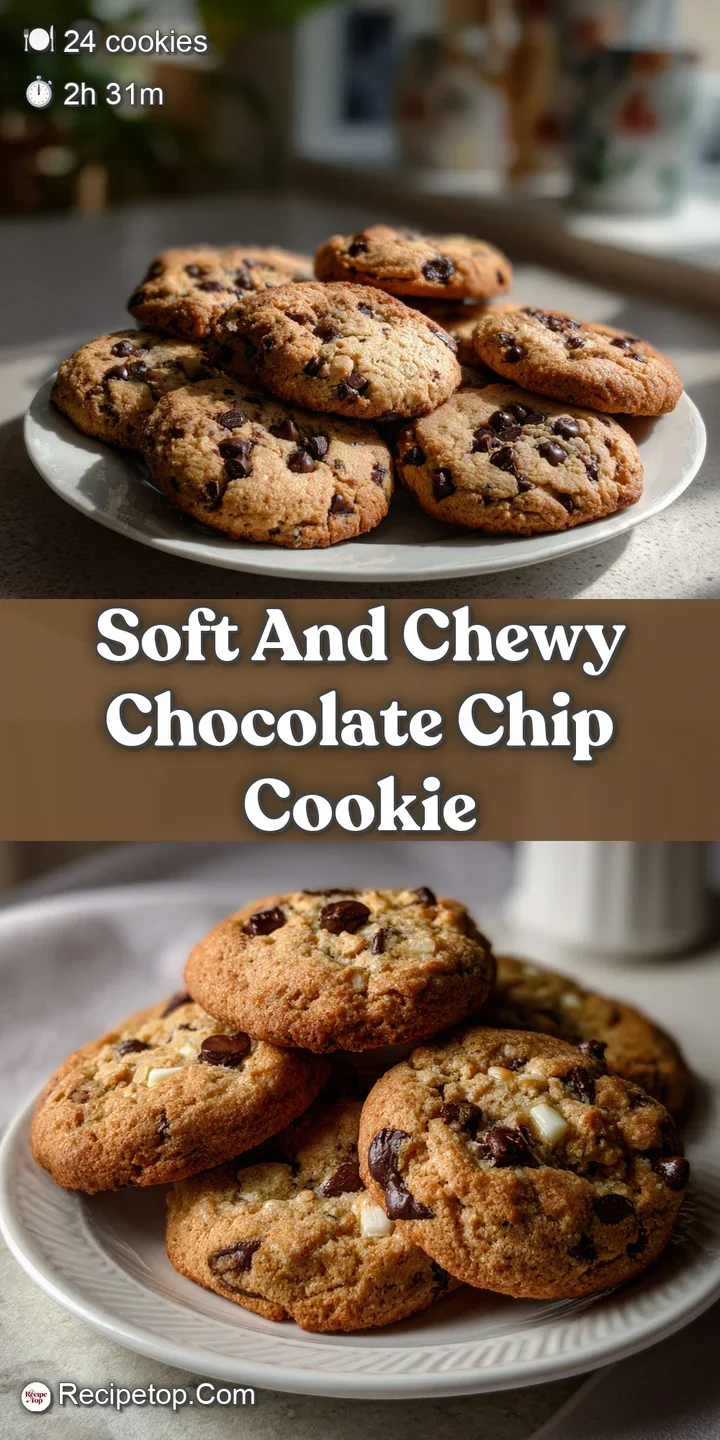
Soft and Chewy Chocolate Chip Cookie
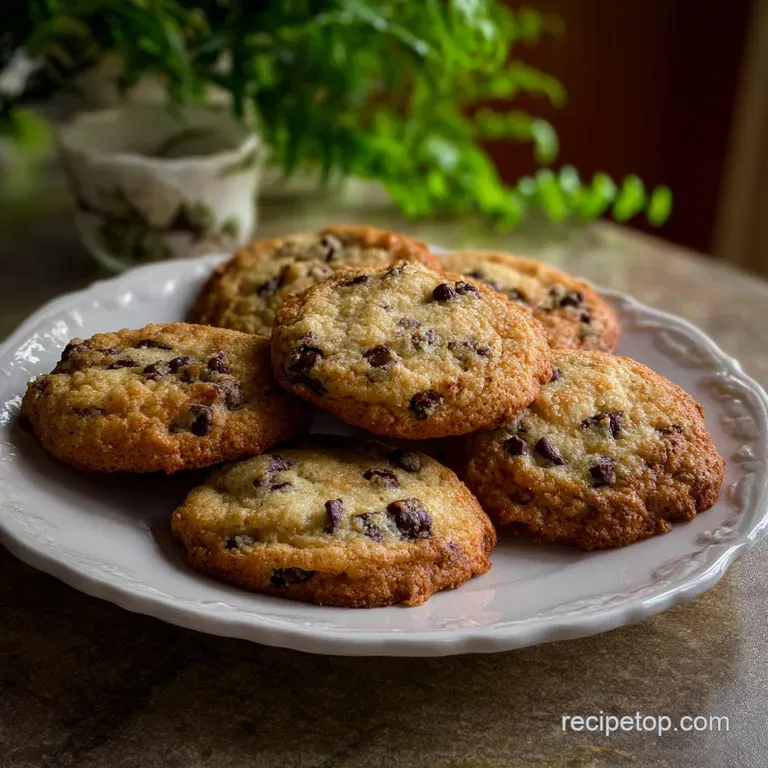
- Time: Active 20 mins, Passive 2 hours 11 mins, Total 2 hours 31 mins
- Flavor/Texture Hook: Velvety centers with a shatter crisp edge and intense vanilla aroma.
- Perfect for: Weekend baking projects, gift boxes, or a cozy night in.
- Mastering a Soft and Chewy Chocolate Chip Cookie
- Understanding the Essential Performance Metrics of Your Dough
- A Deep Analysis of Component Flavor and Function
- Selecting the Right Tools for Uniform Baking Results
- Ingredients & Substitutes for Maximum Flavor
- Bringing the Components Together with Precise Sensory Cues
- Troubleshooting Common Mistakes for Perfect Cookie Texture
- Creative Ways to Customize Your Homemade Sweet Treats
- Proper Methods for Storing and Maintaining Fresh Texture
- Perfect Complements to Pair with Your Warm Cookies
- Recipe FAQs
- 📝 Recipe Card
Mastering a Soft and Chewy Chocolate Chip Cookie
There is a specific scent that fills a kitchen when butter and brown sugar finally meet a hot oven it is a heavy, caramel drenched aroma that makes the wait feel impossible. I remember years of pulling "cakey" cookies out of the oven, wondering why they lacked that bendable, rich texture I craved.
This recipe delivers the best soft and chewy chocolate chip cookie with vanilla by focusing on moisture retention and fat ratios.
We have all been there, staring at a flat, greasy puddle on a baking sheet. It is frustrating because you followed the back of the bag, but the results were just "fine." This isn't that recipe. We are going for that specific bend the kind where the cookie yields to your teeth without crumbling into dust.
You can expect a dough that is easy to handle and a finished product that rivals any high end pastry shop. We are skipping the shortcuts today because the science of a great cookie requires just a little bit of patience.
Trust me, the smell of that pure vanilla extract hitting the warm butter is enough to convince you we're on the right track.
Understanding the Essential Performance Metrics of Your Dough
To get this right every single time, you need to understand how the environment affects your bake. This isn't just about mixing; it is about the physics of the oven and the chemistry of the chill.
The Science of Why it WorksStarch Gelatinization: Cornstarch interferes with the gluten network, preventing the cookie from becoming tough or bread like.
Hygroscopy: The high ratio of light brown sugar attracts and holds onto water molecules, ensuring the center stays moist even after cooling.
| Method | Prep Time | Texture Profile | Flavor Depth |
|---|---|---|---|
| Fresh Dough | 2 hours 20 mins | Complex, velvety, soft | Intense vanilla and molasses. Note: Chilling is non negotiable for flavor development. |
| store-bought | 5 minutes | Uniform, slightly oily | One note sweetness. Note: Often lacks the salt balance found in homemade versions. |
The difference between a good cookie and a legendary one usually comes down to the temperature of your ingredients. If your butter is too hot, the cookies will spread into a single giant sheet. If your egg is too cold, the emulsion will break, and you'll lose that silky dough consistency.
A Deep Analysis of Component Flavor and Function
Every gram of these ingredients serves a purpose beyond just filling the bowl. We are building a structure that can support a massive amount of semi sweet chocolate chips without collapsing.
| Component | Science Role | Pro Secret |
|---|---|---|
| Unsalted Butter (170g) | Provides fat for tenderness | Soften it until a finger leaves an indent, but it shouldn't look shiny or melted. |
| Light Brown Sugar (150g) | Adds moisture and acidity | Pack it firmly into the cup to ensure the molasses content is consistent. |
| Pure Vanilla Extract (10ml) | Enhances sweetness perception | Use double the standard amount to cut through the richness of the flour. |
| Baking Soda (5g) | Promotes browning (Maillard) | Ensure it is fresh by dropping a pinch in vinegar; it should fizz violently. |
When you combine these, you aren't just making "food" you are conducting a delicious experiment. The sea salt is the unsung hero here, acting as a chemical bridge that makes the chocolate taste "more" like chocolate and less like sugar.
Selecting the Right Tools for Uniform Baking Results
You do not need a professional kitchen, but a few specific items make this much easier. A heavy duty stand mixer like a KitchenAid is great, but a hand mixer works perfectly well too.
- Digital Scale: Essential for the 280g of flour; volume measurements with cups are too inconsistent for baking.
- Baking Sheets: Use light colored aluminum pans. Dark pans absorb too much heat and will scorch the bottoms before the centers cook.
- Silicone Mats or Parchment: Never grease the pan with butter or spray, as this encourages the dough to slide and spread too thin.
- Cookie Scoop: A size #40 scoop ensures all 24 cookies are identical, which means they all finish baking at the exact same second.
Chef Tip: Freeze your butter for exactly 10 minutes before grating it if you forgot to leave it out to soften. It will reach "room temp" much faster once it's in small shards.
Ingredients & Substitutes for Maximum Flavor

- 280g All purpose flour: Why this? Provides enough protein for structure without being "bready." (Sub: 1:1 gluten-free baking blend with xanthan gum).
- 5g Cornstarch: Why this? Softens the flour's proteins for a tender crumb. (Sub: Arrowroot powder).
- 5g Baking soda: Why this? Reacts with brown sugar to create lift and browning. (Sub: 15g Baking powder, but texture will be cakier).
- 3g Sea salt: Why this? Balances the sugar and enhances the vanilla. (Sub: Table salt, but use only 2g).
- 170g Unsalted butter: Why this? Controls the salt level and provides the primary fat source. (Sub: Vegan butter sticks with high fat content).
- 150g Light brown sugar: Why this? The molasses content creates the "chew." (Sub: Dark brown sugar for a deeper, toffee like flavor).
- 50g Granulated sugar: Why this? Helps the edges get that necessary crispness. (Sub: Coconut sugar, though the texture will be slightly grainier).
- 1 Large egg: Why this? Binds the dough and adds richness. (Sub: 1/4 cup unsweetened applesauce, but cookies will be softer).
- 10ml Pure vanilla extract: Why this? The high volume creates a floral, aromatic base. (Sub: Vanilla bean paste for those gorgeous black specks).
- 340g Semi sweet chocolate chips: Why this? High cocoa butter content ensures a velvety melt. (Sub: Hand chopped chocolate bars for irregular, gooey pools).
Bringing the Components Together with Precise Sensory Cues
- Whisk the dry base. Combine the flour, cornstarch, baking soda, and salt in a bowl until uniform. Note: This prevents "pockets" of baking soda that taste metallic.
- Cream the fats and sugars. Beat the butter, brown sugar, and granulated sugar for about 3 minutes until it looks like pale, fluffy wet sand.
- Incorporate the liquids. Add the egg and vanilla extract, beating on medium speed until the mixture is glossy and smooth.
- Fold in the structure. Gradually add the dry ingredients to the wet. Stop the mixer when you see only a few streaks of white flour remaining.
- Add the chocolate. Dump in all 340g of chips and fold by hand. Note: Over mixing here will make the cookies tough.
- The Cold Cure. Cover the dough and refrigerate for at least 2 hours. The dough should feel firm and smell intensely of vanilla and molasses.
- Preheat and prep. Set your oven to 350°F and line your sheets.
- Scoop and stack. Roll dough into balls (about 2 tablespoons each). Place them 2 inches apart to allow for the inevitable sizzle and spread.
- Bake for 11 minutes. Take them out when the edges are barely golden but the centers look slightly underdone and soft.
- Rest and set. Leave them on the hot pan for 5 minutes. You will hear a faint crackling sound as the edges firm up.
Troubleshooting Common Mistakes for Perfect Cookie Texture
If your cookies didn't come out quite right, don't panic. Baking is a science, and even a small change in room temperature can affect the outcome of your Chocolate Chip Cookie.
Why Your Cookies Spread Too Much
If your cookies look like flat pancakes, your butter was likely too soft or even slightly melted before you started. When fat is already liquid adjacent, it doesn't have the structure to hold air during the creaming process.
Chilling the dough is the fix here it solidifies that fat so it melts slowly in the oven.
| Problem | Root Cause | Solution |
|---|---|---|
| Flat, greasy cookies | Butter was too warm or dough wasn't chilled | Chill dough for at least 2 hours; ensure butter is 65°F. |
| Hard, dry cookies | Over baked or too much flour | Pull from oven when centers look "wet." Use a scale for flour. |
| Puffy, cake like texture | Over beating the egg or skipping the soda | Mix only until the egg is just combined. Check baking soda freshness. |
Common Mistakes Checklist ✓ Always use room temperature eggs (dip cold eggs in warm water for 5 mins). ✓ Never place raw dough onto a hot baking sheet from a previous batch. ✓ Measure your flour by weight (280g) rather than volume.
✓ Do not skip the 2 hour chill; it hydrates the flour for a better "bend." ✓ Use a silicone mat to prevent the bottoms from browning too quickly.
Creative Ways to Customize Your Homemade Sweet Treats
Scaling this recipe is straightforward, but remember that baking is about ratios. If you want to double the batch for a party, you can't just double everything blindly and expect the same Chip Cookie result.
Downscaling (12 cookies) Divide all ingredients by two. For the egg, whisk it in a small bowl and use exactly 25g of the liquid. Reduce the baking time by about 1 minute as the smaller volume in the bowl might lead to slightly more aeration.
Upscaling (48 cookies) Double the ingredients but keep the vanilla at 15ml instead of 20ml to avoid an alcohol heavy aftertaste. Use two separate baking sheets and rotate them halfway through the 11 minutes bake time to ensure even heat distribution.
Decision Shortcut If you want a deeper "toffee" flavor, use dark brown sugar instead of light. If you want "bakery style" puddles, use chopped chocolate bars instead of chips. If you want a thicker, fatter cookie, increase the flour to 300g.
Proper Methods for Storing and Maintaining Fresh Texture
To keep that soft and chewy texture, you need to fight evaporation. Once the cookies have cooled completely, move them to an airtight container.
Storage: Keep at room temperature for up to 5 days. Pro Tip: Place a single slice of white bread in the container. The cookies will "steal" the moisture from the bread, staying soft for much longer.
Zero Waste: If you find yourself with cookies that have finally gone hard, don't toss them! Crush them up to use as a crust for a cheesecake or toss them into a blender with vanilla ice cream for the best milkshake of your life.
You can also freeze the baked cookies for up to 2 months; just let them thaw on the counter for 20 minutes before eating.
Myth: You must use "Room Temperature" butter. Actually, "room temperature" in most modern kitchens (72°F) is too warm for cookies. You want your butter around 60-65°F. It should be malleable but still feel slightly cool to the touch.
This ensures the air bubbles you whip into the fat don't collapse.
Perfect Complements to Pair with Your Warm Cookies
While a Soft and Chewy Chocolate Chip Cookie is a star on its own, the right pairing can turn a simple snack into a full dessert experience. The saltiness of the cookie begs for something creamy.
- Cold Whole Milk: The classic. The fats in the milk wash away the sugar on your palate, making every bite of this recipe taste like the first one.
- Bourbon Vanilla Ice Cream: Make a sandwich! The high vanilla content in the cookie bridges the gap between the dough and the ice cream perfectly.
- Strong Espresso: The bitterness of a dark roast cuts through the sweetness of the 340g of chocolate chips, highlighting the molasses notes in the brown sugar.
- Sea Salt Flakes: Sprinkle a tiny bit of Maldon salt on top immediately after they come out of the oven. It provides a sharp "crunch" that contrasts the velvety center.
Creating these cookies is about more than just satisfying a sugar craving; it's about that specific moment when the edges shatter and the middle remains gooey. It is the ultimate sweet treat that proves a few simple science backed steps can change everything. Enjoy the process and the aroma!
Recipe FAQs
What makes these cookies stay soft and chewy?
A high ratio of light brown sugar. The molasses in brown sugar is hygroscopic, meaning it attracts and holds onto moisture, keeping the cookies tender even after cooling.
How do I prevent my cookies from spreading too much?
Chill the dough for at least 2 hours. This solidifies the butter, preventing it from melting too quickly in the oven and causing excessive spread.
Why are my cookies hard instead of chewy?
Likely overbaked or too much flour. Pull the cookies from the oven when the centers still look slightly underdone. Always measure flour by weight using a digital scale for accuracy.
Can I use dark brown sugar instead of light brown sugar?
Yes, but expect a different flavor and texture. Dark brown sugar has more molasses, resulting in a deeper, toffee like flavor and potentially an even chewier cookie.
How should I store these cookies to maintain their softness?
Store in an airtight container with a slice of white bread. The cookies will absorb moisture from the bread, keeping them soft for up to 5 days at room temperature.
What is the ideal temperature for the butter?
Aim for 60-65°F (15-18°C). The butter should be malleable but still feel cool to the touch, not soft or greasy, to create proper air bubbles during creaming.
Can I freeze the cookie dough?
Yes, scoop dough balls and freeze. Store them in an airtight container for up to 3 months; bake directly from frozen, adding a minute or two to the bake time.
Soft Chewy Chocolate Chip Cookie
Ingredients:
Instructions:
Nutrition Facts:
| Calories | 198 kcal |
|---|---|
| Protein | 2.1 g |
| Fat | 10.0 g |
| Carbs | 26.6 g |
| Fiber | 1.2 g |
| Sugar | 15.4 g |
| Sodium | 105 mg |
