Canned Salmon Salad: Zesty and Flaky
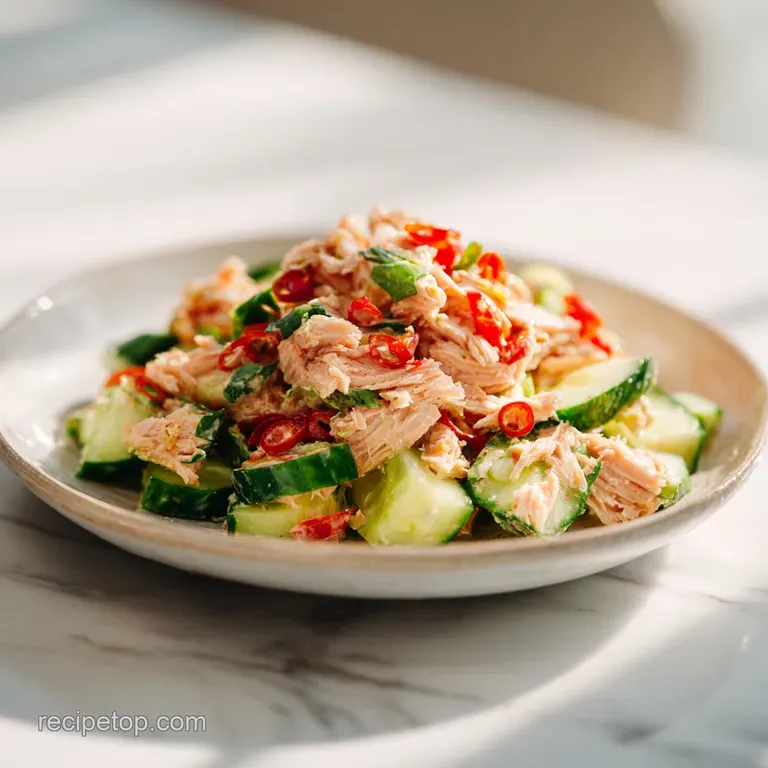
- Time: Active 10 minutes, Passive 0 minutes, Total 10 minutes
- Flavor/Texture Hook: Zesty, briny, and incredibly flaky
- Perfect for: Rapid weeknight lunches or healthy meal prep
- Fast Pantry Staple Canned Salmon Salad Recipe
- Logic Behind This Cold Salad
- Component Analysis and Science
- Sourcing Your Fresh Salad Ingredients
- Minimal Tools for Maximum Flavor
- Step By Step Assembly Guide
- Fixing Common Salad Texture Issues
- Clever Swaps and Flavor Twists
- Storing and Repurposing Your Leftovers
- Best Sides for Salmon Salad
- Recipe FAQs
- 📝 Recipe Card
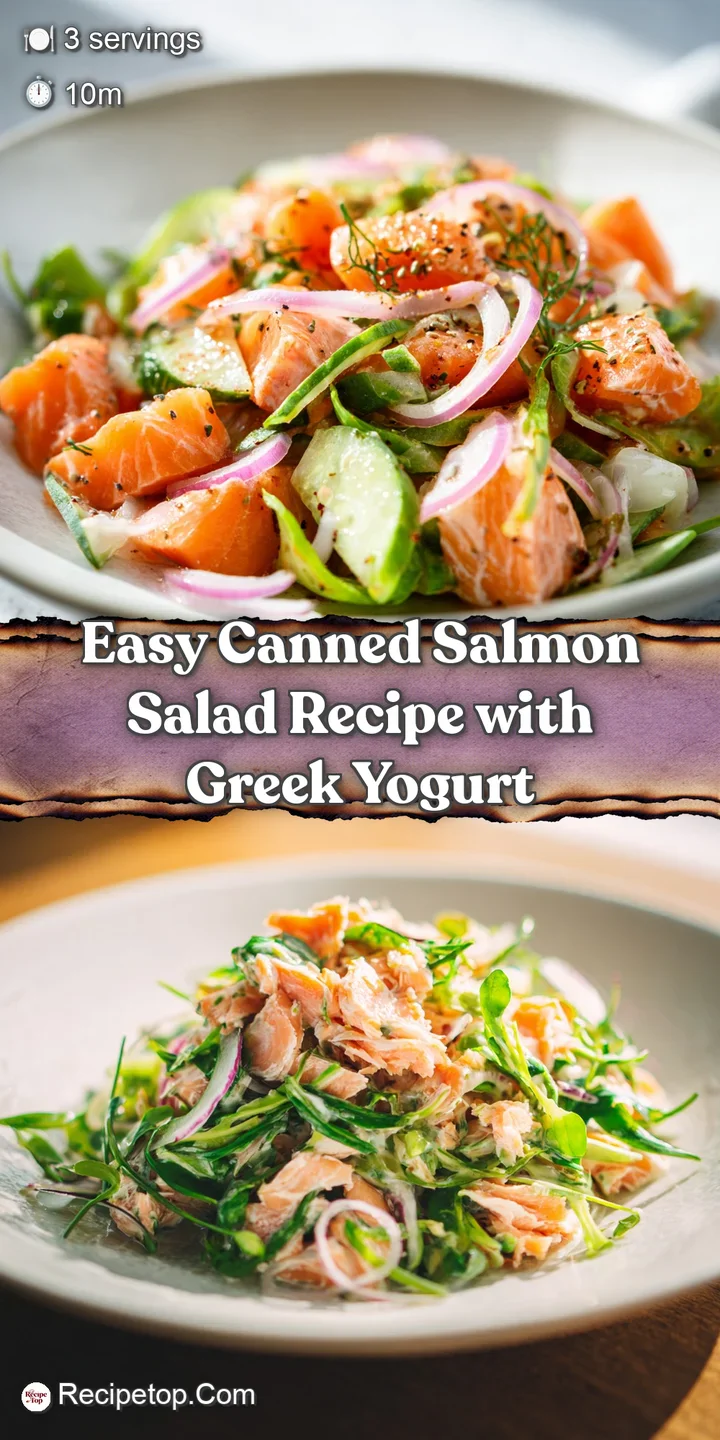
Fast Pantry Staple Canned Salmon Salad Recipe
I still remember the first time I stared at a can of wild salmon in my pantry, feeling completely uninspired. It was one of those rainy Tuesdays where the fridge was looking pretty bare, and the thought of another basic tuna sandwich felt like a chore. I popped the lid, and the aroma was... well, it was fish.
But then I started playing with what I had some leftover Greek yogurt, a lonely lemon, and that jar of capers that usually just sits in the back.
The result was a total revelation. Instead of a heavy, gloopy mess, I ended up with something that tasted like it belonged on a toasted croissant at a fancy cafe. The secret was all in the texture. I stopped mashing the fish into a paste and started gently folding it so I could actually see those beautiful pink flakes.
It changed my entire perspective on what "emergency pantry food" could be.
You're going to love how this canned salmon salad comes together in literally ten minutes. It's my go to when I want something high protein that doesn't leave me feeling sluggish for the rest of the afternoon.
We're going for a specific balance here: the sharp bite of red onion, the salty pop of capers, and the cooling creamy base. It's efficient, it's reliable, and honestly, it’s became a staple in our house because it's just so easy to scale up for the whole family.
Logic Behind This Cold Salad
Acidic Denaturation: The lemon juice breaks down the heavy fish proteins, neutralizing the strong "canned" scent while brightening the entire flavor profile.
Emulsion Stability: Combining avocado oil mayo with Greek yogurt creates a structural bond that holds moisture without the salad becoming greasy or separating.
Textural Contrast: Using a precise 1/2 inch dice on the celery provides a structural "skeleton" to the salad, preventing the soft salmon from feeling mushy.
| Fish Type | Prep Time | Texture Result | Cost Impact |
|---|---|---|---|
| Canned Wild Salmon | 2 mins | Soft, fine flakes | Most affordable |
| Leftover Grilled Salmon | 5 mins | Firm, large chunks | Zero waste win |
| Poached Fresh Fillet | 15 mins | Velvety, buttery | Premium spend |
Choosing the right base makes all the difference for your final lunch. If you happen to have leftovers from a Lemon Dill Salmon recipe, that works beautifully here too, though the canned version is our weeknight hero for speed.
Component Analysis and Science
| Ingredient | Science Role | Pro Secret |
|---|---|---|
| Greek Yogurt | Protein based creaminess | Use 2% or 5% fat for a richer mouthfeel without adding heavy oils. |
| Dijon Mustard | Natural Emulsifier | The mucilage in mustard seeds keeps the mayo and yogurt from separating. |
| Fresh Dill | Volatile Oil Source | Tear the dill by hand instead of chopping to keep the aromatic oils on the herb. |
| Capers | Acidic Salt Pop | These provide "salt peaks" that keep your palate interested in every bite. |
Sourcing Your Fresh Salad Ingredients
- 12 oz canned wild salmon, drained: Look for "skinless and boneless" to save time, or clean it yourself for extra calcium. Why this? Wild caught offers superior omega-3 content and a firmer texture than farmed.
- 0.5 cup celery, finely diced: This provides the essential "crunch" factor. Why this? It adds volume and hydration without altering the core flavor.
- 0.25 cup red onion, minced: Provides a sharp, pungent contrast to the rich fish. Why this? Red onion stays crisp longer than white or yellow varieties.
- 2 tbsp avocado oil mayonnaise: A cleaner tasting fat source that doesn't overpower. Why this? It has a higher nutrient density than standard soybean oil mayo.
- 2 tbsp plain Greek yogurt: This adds a tangy zip and extra protein. Why this? It lightens the dressing significantly compared to using all mayo.
- 1 tbsp Dijon mustard: For a bit of heat and depth. Why this? Dijon has a more complex flavor profile than standard yellow mustard.
- 1 tbsp fresh lemon juice: Essential for cutting through the fat. Why this? Fresh juice contains active enzymes that brighten the fish flavor.
- 1 tsp capers, drained and chopped: For those briny little bursts of salt. Why this? They provide a Mediterranean flair that pairs perfectly with salmon.
- 2 tbsp fresh dill, chopped: The classic herb partner for any salmon dish. Why this? Fresh herbs are non negotiable here for that "garden fresh" taste.
- 0.25 tsp cracked black pepper: For a subtle, woody heat.
- 1 pinch sea salt: Just enough to wake up all the other ingredients.
| Original Ingredient | Substitute | Why It Works |
|---|---|---|
| Greek Yogurt | Sour Cream | Similar tang and fat content. Note: Slightly less protein but very creamy. |
| Fresh Dill | Fresh Parsley | Offers a clean, grassy finish. Note: Changes the flavor profile significantly. |
| Red Onion | Shallots | A more delicate, garlicky sweetness. Note: Best if you find raw onion too harsh. |
Minimal Tools for Maximum Flavor
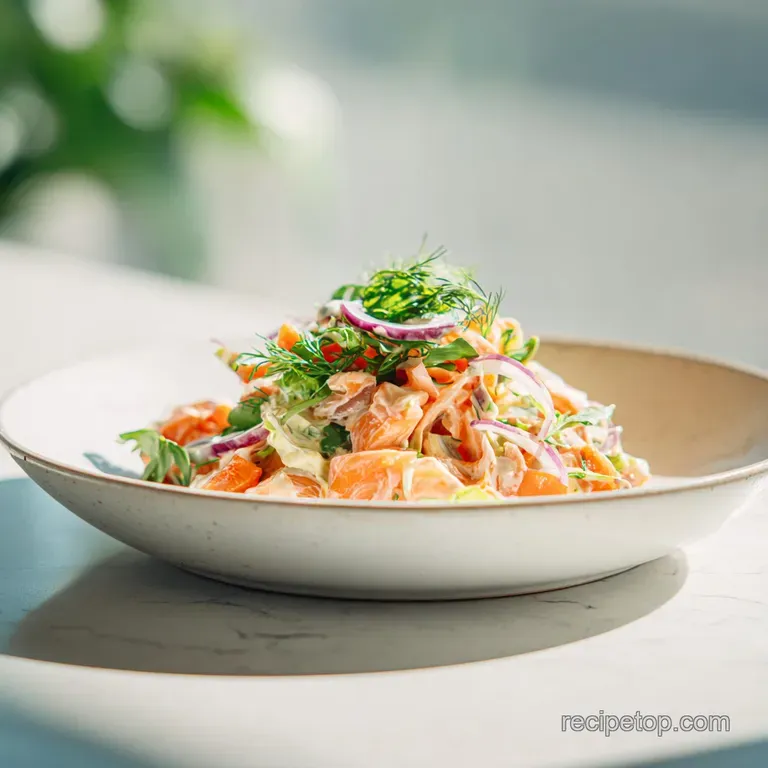
You don't need a lot of gear for this one, which is why it's such a winner for a quick lunch. Grab a medium sized glass mixing bowl glass is better than plastic here because it won't absorb any lingering fish scents. You'll also need a sharp chef's knife for that celery and onion prep.
A sturdy silicone spatula is my favorite tool for the final mix. It allows you to scrape the sides of the bowl effectively while being gentle enough not to pulverize the salmon flakes. If you're prepping this for work, a set of airtight glass containers is a must to keep everything crisp until noon.
step-by-step Assembly Guide
- Drain the salmon. Open the 12 oz canned wild salmon and press the lid down firmly to remove as much liquid as possible. Note: Excess moisture is the number one cause of a soggy salad.
- Clean the fish. Transfer the salmon to your bowl and check for any stray bones or skin if you didn't buy the boneless variety.
- Flake the protein. Use a fork to gently break the salmon into large, bite sized chunks. Stop once you see distinct flakes.
- Prep the aromatics. Finely dice the 0.5 cup celery and mince the 0.25 cup red onion into uniform pieces.
- Whisk the dressing base. In a separate small bowl, combine 2 tbsp avocado oil mayo, 2 tbsp Greek yogurt, 1 tbsp Dijon, and 1 tbsp lemon juice.
- Add the seasonings. Stir in the 1 tsp chopped capers, 2 tbsp fresh dill, 0.25 tsp black pepper, and a pinch of sea salt.
- Combine ingredients. Pour the dressing over the flaked salmon and add the diced celery and onion.
- Fold gently. Use your spatula to turn the mixture over until everything is coated. Do not over mix or the salmon will turn into a paste.
- Taste and adjust. Grab a cracker and try a bit; add another squeeze of lemon if it needs more "lift."
- Chill briefly. Let the salad sit in the fridge for 5 minutes until the flavors have melded and the temperature is crisp.
Fixing Common Salad Texture Issues
Solving Watery Salad Issues
If your salad looks like it's sitting in a puddle after an hour, it usually comes down to the celery or the drainage. Veggies release water once they hit salt. To prevent this, make sure your salmon is bone dry before mixing. If it's already watery, stir in an extra teaspoon of Greek yogurt to re emulsify the liquid.
Fixing Overpowering Fishy Flavors
Sometimes a specific brand of canned salmon can be a bit "loud." The solution isn't more mayo; it's more acid and herbs. Double the lemon juice or add a teaspoon of lemon zest. The citrus oils in the zest are incredibly powerful at neutralizing those heavy fish notes.
| Problem | Root Cause | Solution |
|---|---|---|
| Mushy Texture | Over mixing the fish | Use a folding motion with a spatula, not a fork mash. |
| Bland Taste | Lack of acidity | Increase lemon juice or add a splash of apple cider vinegar. |
| Too Salty | Too many capers | Add more celery or a bit more yogurt to dilute the saltiness. |
Common Mistakes Checklist
- ✓ Always drain the canned salmon until no more liquid drips out (prevents a soggy base)
- ✓ Mince the red onion very finely to avoid large, harsh bites
- ✓ Use fresh dill rather than dried for a brighter, more vibrant flavor
- ✓ Fold the ingredients together gently to maintain those beautiful fish flakes
- ✓ Let the salad rest for at least 5 minutes to allow the flavors to harmonize
Clever Swaps and Flavor Twists
The Mediterranean Style Variation
If you want to take this in a different direction, swap the dill for fresh parsley and add some chopped kalamata olives. You can even throw in a handful of halved cherry tomatoes. This version pairs perfectly with my healthy mediterranean chickpea recipe for a massive protein packed feast.
The Spicy Sriracha Kick
For those who like heat, omit the dill and capers. Add a teaspoon of Sriracha and a dash of toasted sesame oil to the mayo yogurt base. Top it with some chopped green onions and black sesame seeds. It's like a deconstructed spicy salmon roll in a bowl!
Adjusting the Recipe Size
Scaling this recipe is straightforward because the ratios are quite forgiving. If you're cooking for one, just use a single 6 oz can and cut everything else in half. If you're doubling it for a party, be careful with the salt and lemon; add them gradually as the volume increases.
For large batches, I find that the red onion can become quite dominant over time. If you're making this 24 hours in advance, reduce the onion by about 25% to keep it from taking over the entire dish.
Storing and Repurposing Your Leftovers
This salad actually tastes better after a few hours in the fridge, making it the king of meal prep. Keep it in an airtight glass container for up to 3 days. I don't recommend freezing this; the mayo and yogurt will break down and the celery will lose that satisfying shatter crisp texture.
If you have leftovers on day three and you're tired of sandwiches, try making a "Salmon Melt." Scoop the salad onto a slice of sourdough, top with a slice of sharp cheddar, and pop it under the broiler for 2 minutes until the cheese is bubbling and golden.
It's a completely different experience that feels like a brand new meal.
Best Sides for Salmon Salad
When I'm serving this for a family lunch, I love to put out a "build your own" board. Think big butter lettuce leaves for wraps, some sturdy cucumber slices for dipping, and a pile of toasted pita wedges. It makes the meal feel more interactive and less like a standard sandwich.
If you want a more substantial side, a vinegar based slaw or a light potato salad works wonders. I personally think the acidity in a Greek Potato Salad recipe complements the creaminess of the salmon perfectly. It's all about balancing those textures creamy fish, crunchy celery, and a starchy, tangy side to round everything out. Trust me, once you master the "gentle fold" technique, you'll never look at a can of salmon the same way again!
Recipe FAQs
Can you put canned salmon in a salad?
Yes, canned salmon is an excellent base for salads. Drain it well, gently flake it, and use a bright, acidic dressing to cut through the richness. It provides quick protein without needing any cooking time.
Are you supposed to rinse canned salmon?
No, you should drain it very thoroughly instead. Rinsing can wash away beneficial omega-3 fats and dilute the natural flavor of the fish. Press the lid down firmly to extract all the packing liquid or oil.
What does canned salmon go well with?
Canned salmon pairs best with sharp, fresh components and creamy binders. Think celery, minced red onion, lemon juice, and Dijon mustard for tang. It’s great served on lettuce wraps or on toasted sourdough.
What is the healthiest way to eat canned salmon?
Use minimal added fats and maximize fresh vegetables and herbs. Substitute half your mayonnaise with plain Greek yogurt, as we do in the main recipe, to boost protein while reducing overall oil content.
How do I prevent my canned salmon salad from tasting too "fishy"?
Incorporate high acidity and strong aromatics liberally. Fresh lemon juice is essential for neutralizing strong notes, and using fresh herbs like dill helps mask any lingering aroma. If you are looking for similar flavor balancing concepts, see how we use acid in our Jalapeno Popper Chicken recipe.
Should I mash the salmon completely when making salad?
No, gently flake the salmon into large chunks for better texture. Mashing turns the salad into a uniform paste, which feels heavy; keeping texture intact provides a better eating experience. If you enjoyed mastering gentle folding here, apply that same care when handling soft ingredients in our Chicken Parm Cottage recipe.
Can I make canned salmon salad ahead of time?
Yes, this salad improves in flavor if made a few hours ahead. Allow it to chill for at least five minutes before serving so the flavors can meld together. For best texture, aim to eat it within 24 to 48 hours.
Quick Canned Salmon Salad
Ingredients:
Instructions:
Nutrition Facts:
| Calories | 246 calories |
|---|---|
| Protein | 24.1 g |
| Fat | 14.8 g |
| Carbs | 3.4 g |
| Fiber | 0.6 g |
| Sugar | 1.2 g |
| Sodium | 585 mg |
