Garlic Butter Steak: Pan-Seared and Tender
- Time: Active 10 minutes, Passive 8 minutes, Total 18 minutes
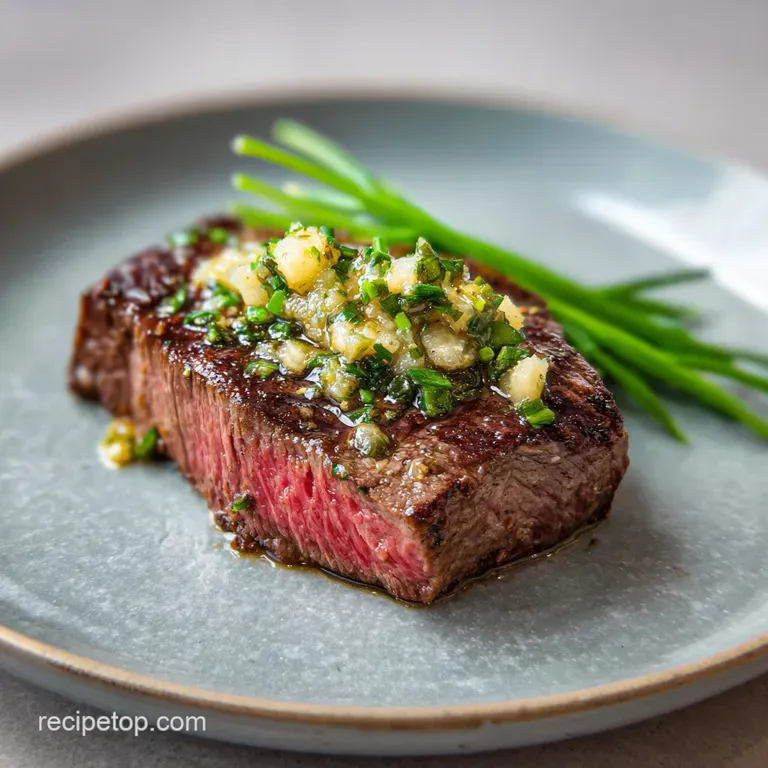
- Flavor/Texture Hook: A savory, mahogany crust with a velvety, herb infused finish
- Perfect for: A quick weeknight luxury or a simple date night dinner
- Create the Perfect Garlic Butter Steak Every Time
- Why the Finishing Butter Stays Chilled
- Ingredient Deep Dive for Steak Success
- The Ingredients That Make This Garlic Butter Steak Exceptional
- Essential Tools for a Professional Skillet Sear at Home
- Mastering the Technique for a Flawless and Juicy Result
- Avoiding Common Errors for a Flawless and Crispy Crust
- Adapting the Recipe to Fit Your Specific Kitchen Needs
- Debunking Skillet Cooking Misconceptions
- Smart Storage and Tips for Reducing Your Food Waste
- The Best Sides to Complete Your Home Cooked Meal
- Critical High in Sodium
- Recipe FAQs
- 📝 Recipe Card
Create the Perfect Garlic Butter Steak Every Time
The French call it l'Entrecôte, and in many parts of Paris, it is practically a culinary religion. You walk into a cramped, lively bistro, and the first thing that hits you isn't the wine or the bread it’s that unmistakable, heavy aroma of rendering beef fat and sweet garlic hitting a sizzling pan.
It is a tradition built on the idea that you do not need a million ingredients to create something that feels like a masterpiece. This dish isn't about complex reductions or 24 hour marinades; it's about the marriage of heat, fat, and timing.
I remember the first time I tried to replicate that bistro feel at home. I made the mistake of throwing the butter in way too early. By the time the steak was done, the butter had turned into a bitter, blackened mess that masked the flavor of the meat instead of highlighting it.
That was the day I learned about the arroser technique the art of basting. It changed everything for me. It’s the difference between a dry piece of meat and a Garlic Butter Steak that feels like a warm hug on a plate.
We are going to focus on a few reliable steps that work every single time, even if you’re just getting home from a long day and want something that tastes like it cost fifty dollars. We’re going to use minimal tools just a heavy pan and a spoon to get the job done.
Trust me on this, once you see how that cold butter foams up and coats the meat, you’ll never go back to just grilling a steak plain. Let’s crack on and get that pan hot.
Why the Finishing Butter Stays Chilled
- Thermal Buffer: Adding chilled butter toward the end of cooking drops the pan temperature slightly, which prevents the garlic from scorching while the milk solids brown.
- Surface Tension: The cold fat emulsifies with the rendered beef tallow and Worcestershire sauce, creating a thicker, velvety glaze that clings to the meat instead of running off.
- Aromatic Bloom: The moisture in the cold butter boils off slowly, allowing the thyme and rosemary to release their oils without becoming brittle or burnt.
- Consistent Maillard: By searing in high smoke point oil first and finishing with butter, we get the deep brown crust without the bitterness of burnt dairy.
| Thickness | Target Internal Temp | Rest Time | Visual Cue |
|---|---|---|---|
| 1 inch | 130°F (Medium Rare) | 5 mins | Warm red center |
| 1.5 inches | 135°F (Medium Rare) | 8 mins | Pink with red core |
| 2 inches | 140°F (Medium) | 10 mins | Mostly pink center |
Choosing the right thickness is the biggest decision you'll make before the pan even gets hot. A 1.5 inch steak is the sweet spot because it gives you enough time to build a heavy crust without the inside turning into grey leather.
If you go too thin, the steak will be done before you even have a chance to start the basting process.
Ingredient Deep Dive for Steak Success
| Ingredient | Science Role | Pro Secret |
|---|---|---|
| Ribeye or NY Strip | Intermuscular fat | Use 1.5 inch thick cuts to prevent overcooking the center during the sear. |
| Kosher Salt | Protein Denaturation | Season at least 30 minutes early to let salt penetrate and tenderize the fibers. |
| Avocado Oil | High Smoke Point | This stays stable at 500°F, allowing for a deep sear without the oil breaking down. |
| Unsalted Butter | Fat Emulsification | Use chilled butter to control the pan temperature and create a foamy, rich baste. |
The Ingredients That Make This Garlic Butter Steak Exceptional
- 2 (12 oz / 340g) Ribeye or NY Strip steaks: I prefer 1.5 inches thick. Why this? Thick steaks allow for a deep crust while keeping the inside medium rare.
- 1.5 tsp (9g) Kosher salt: Go for the coarse stuff like Diamond Crystal. Why this? Coarse grains stick better and draw out moisture more effectively for a better crust.
- 1 tsp (2g) Coarsely ground black pepper: Freshly cracked is non negotiable. Why this? Pre ground pepper loses its spicy bite and just tastes like dust.
- 1 tbsp (15ml) Avocado or Grapeseed oil: Something that won't smoke you out. Why this? These oils have high smoke points, essential for that initial hard sear.
- 4 tbsp (56g) Unsalted butter: Keep it in the fridge until the very last second. Why this? Chilled butter regulates pan heat and prevents the garlic from burning.
- 4 cloves Garlic: Smashed and peeled, but kept whole. Why this? Smashed garlic releases flavor into the fat without burning like minced garlic would.
- 3 sprigs Fresh Thyme or Rosemary: Don't use dried herbs here. Why this? Fresh herbs contain oils that "bloom" in the butter for a floral aroma.
- 1/2 tsp (2.5ml) Worcestershire sauce: My little secret for extra depth. Why this? It adds fermented umami notes that make the beef taste "beefier."
Essential Tools for a Professional Skillet Sear at Home
For this recipe, we are keeping things very simple. You don't need a fancy outdoor grill or a sous vide machine to get a great result. The most important tool in your arsenal is a heavy bottomed skillet, preferably cast iron.
Cast iron is a beast at retaining heat, meaning when that cold steak hits the pan, the temperature doesn't plummet. If you use a thin aluminum pan, the steak will steam instead of sear, and you'll end up with a grey, sad looking dinner.
You will also need a solid pair of tongs and a large metal spoon. The spoon is actually the secret to the whole "Garlic Butter Steak" experience. You need it to scoop up that foaming butter and pour it over the meat. I also highly recommend a digital meat thermometer.
While some people swear by the "finger test" for doneness, it’s notoriously unreliable. When you’re spending money on good ribeyes, a ten dollar thermometer is the best insurance policy you can buy.
Mastering the Technique for a Flawless and Juicy Result
- Prep the meat. Remove the 12 oz steaks from the fridge 30 minutes before you plan to cook. Pat them aggressively dry with paper towels until no moisture remains. Note: Surface moisture is the enemy of a good sear; it creates steam instead of a crust.
- Season heavily. Rub the 1.5 tsp kosher salt and 1 tsp black pepper into all sides of the meat, including those thick fat caps on the edges.
- Heat the pan. Set your cast iron skillet over medium high heat for about 3-5 minutes. Add the 1 tbsp avocado oil and wait until it is shimmering and just starting to wisps of smoke.
- The initial sear. Lay the steaks into the pan, moving them away from you to avoid oil splashes. Press down slightly to ensure contact.
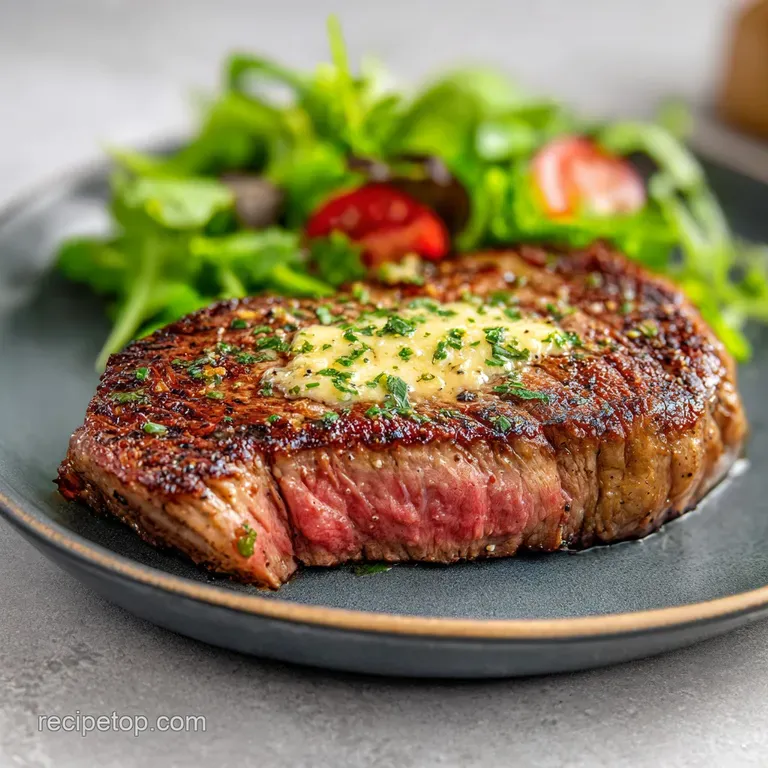
- Develop the crust. Cook without moving the steaks for 3 to 4 minutes until a thick, dark mahogany crust has formed.
- The flip. Turn the steaks over. You should see a craggy, beautiful surface.
- Build the butter pool. Reduce the heat to medium. Immediately drop in the 4 tbsp chilled butter, 4 smashed garlic cloves, herb sprigs, and 1/2 tsp Worcestershire sauce.
- The basting phase. Tilt the skillet so the melting butter pools at the bottom with the garlic and herbs. Using your large spoon, continuously pour the foaming butter over the steaks for the final 2 minutes.
- Check for doneness. Use your thermometer to pull the steaks when they hit 130°F for medium rare.
- The rest. Transfer the steaks to a plate, pour the remaining pan butter over them, and wait 8 minutes before slicing. Note: Resting allows the muscle fibers to relax and reabsorb the juices.
Avoiding Common Errors for a Flawless and Crispy Crust
One of the biggest issues I see people run into is the "steamed steak" syndrome. This happens when the pan isn't hot enough or the meat is too wet. If your steak looks grey after three minutes, your heat is too low. Another common pitfall is adding the garlic too early.
Garlic has a very low burn point, and if it sits in a 400°F pan for eight minutes, it will turn into bitter little charcoal bits.
But what about the smoke? If your kitchen is filling with smoke, you’re likely using butter from the start or an oil with a low smoke point like extra virgin olive oil. Stick to avocado or grapeseed for the sear, and save that butter for the finish.
If things do get a bit too hot, don't be afraid to pull the pan off the burner for thirty seconds to let it calm down.
| Problem | Root Cause | Solution |
|---|---|---|
| No crust/Grey meat | Pan was too cold or meat was wet | Preheat cast iron for 5 mins and pat meat bone dry. |
| Bitter flavor | Garlic or butter burnt | Only add aromatics in the last 2 minutes and keep butter foaming. |
| Tough texture | Steak didn't rest | Let the meat sit for at least 8 minutes to redistribute juices. |
Common Mistakes Checklist
- ✓ Pat the steak completely dry before seasoning (prevents steaming).
- ✓ Ensure the oil is shimmering before the meat touches the pan.
- ✓ Never crowd the skillet; cook in batches if using a small pan.
- ✓ Use chilled butter at the end to regulate pan temperature.
- ✓ Always slice against the grain for the most tender bite.
Adapting the Recipe to Fit Your Specific Kitchen Needs
If you are cooking for a crowd, you can easily double this recipe, but you’ll need to work in batches. Don't try to cram four ribeyes into one skillet; you'll drop the pan temperature too much and lose that crust. Simply sear two, set them aside, wipe out the pan, and repeat.
You can keep the first batch warm in a low oven (200°F) while you finish the rest.
For those who want a bit of a twist, try making Garlic Butter Steak bites. This is a massive hit for families with kids. You just cube the meat into 1 inch pieces first, sear them quickly over high heat for about 2 minutes, then toss in the butter and garlic at the very end. It cuts the cooking time in half and ensures every single side of the beef is coated in that herb butter. If you're looking for a great side dish to serve with these, my Garlic Lemon Green Beans offer a bright, acidic contrast to the rich meat.
| Method | Time | Texture | Best For |
|---|---|---|---|
| Stovetop Skillet | 8 minutes | Maximum crust, juicy center | Traditional steakhouse style |
| Air Fryer | 10-12 minutes | Even browning, less mess | Hands off weeknight meals |
| Reverse Sear | 45-60 minutes | Perfectly edge to edge pink | Extra thick cuts (2+ inches) |
When scaling up or down, remember that the butter amount doesn't need to double exactly. For four steaks, 6 tablespoons of butter is usually plenty to get a good baste going. If you're cutting the recipe in half for one person, stick with 2 tablespoons so you have enough liquid to actually spoon over the meat.
Debunking Skillet Cooking Misconceptions
One myth that refuses to die is that you should only flip a steak once. Honestly, flipping more often can actually help the steak cook more evenly and develop a crust faster. While I suggest a 3-4 minute initial sear for this specific basting method, don't feel like you've failed if you need to flip it again to check the color.
Another common misconception is that salt "draws out juices" and makes the steak dry if you season it too early. While salt does draw out moisture initially, if you wait 30 minutes, that moisture dissolves the salt and is reabsorbed back into the muscle fibers.
This actually seasons the meat from the inside out and helps break down tough proteins. Seasoning right before the pan is fine, but seasoning 30-45 minutes early is better.
Smart Storage and Tips for Reducing Your Food Waste
Steak is always best fresh, but if you have leftovers, they can stay in the fridge for up to 3 days. The trick to reheating is to avoid the microwave at all costs it will turn your beautiful ribeye into rubber. Instead, slice it thin and flash fry it in a hot pan for 60 seconds, or use it cold in a salad.
You can also freeze cooked steak for up to 2 months, though the texture will soften slightly.
Don't toss those herb stems or the leftover garlic butter! The stems of the thyme and rosemary still have tons of flavor; throw them into a bag in your freezer to use for your next beef stock. Any leftover butter in the pan can be poured into a small ramekin and chilled.
It makes an incredible spread for toast the next morning or a base for sauteing mushrooms.
The Best Sides to Complete Your Home Cooked Meal
When you have a dish as rich and savory as this, you want sides that can either stand up to that richness or cut through it. A classic pairing is potatoes, and my Parmesan Roasted Red Potatoes are a perfect choice. The crispiness of the potatoes mimics the crust on the steak, and the parmesan adds a nutty saltiness that works beautifully with the garlic butter.
If you want something a bit lighter, a simple arugula salad with a lemon vinaigrette is great for cutting through the fat of the ribeye. The bitterness of the greens balances the sweetness of the browned butter. Whatever you choose, make sure you have some crusty bread on the table.
You're going to want to mop up every last drop of that herb infused butter from your plate trust me, leaving any behind is a crime in my kitchen!

Critical High in Sodium
1840 mg of sodium per serving (80% of daily value)
The American Heart Association recommends limiting sodium intake to less than 2,300mg per day, with an ideal limit of less than 1,500mg for most adults.
Tips to Reduce Sodium
-
Reduce Added Salt-25%
Significantly decrease the Kosher salt from 1.5 tsp to 0.5 tsp. This is the primary source of sodium in this recipe.
-
Opt for Low-Sodium Worcestershire-20%
Use a low-sodium Worcestershire sauce or omit it entirely. Regular Worcestershire sauce can be surprisingly high in sodium.
-
Boost Flavor with Herbs and Spices
Reliance on fresh herbs like thyme or rosemary and plenty of black pepper can enhance flavor without adding sodium.
-
Choose Unsalted Butter-5%
Ensure you are using unsalted butter. Salted butter contributes additional sodium to the dish.
Recipe FAQs
How to cook steak in garlic butter?
Sear your seasoned steaks in a shimmering hot cast iron skillet for 3 4 minutes per side. Once a dark crust forms, reduce the heat to medium, add chilled butter, smashed garlic, herbs, and Worcestershire sauce, then baste the meat continuously with the foaming butter for the final 2 minutes.
Is garlic butter good on steak?
Yes, it is essential for professional level flavor and texture. The garlic and herb infused butter creates a rich, savory glaze that complements the natural juices of the beef perfectly.
What is the 3 3 3 rule for steaks?
No, this is a common misconception that does not align with achieving a proper sear. For a 1.5 inch steak, you should sear undisturbed for 3 4 minutes per side to develop a deep crust before finishing with the butter baste.
How to garlic butter baste a steak?
Tilt your skillet to pool the melting butter, aromatics, and Worcestershire sauce at the bottom. Use a large spoon to continuously scoop the hot, foaming mixture over the steaks for the final 2 minutes of cooking to infuse the meat with flavor.
Why is my steak steaming instead of searing?
You likely skipped the step of patting the steak aggressively dry with paper towels. Excess surface moisture causes the meat to steam; if you enjoyed the crust building technique here, you can apply similar logic to searing the protein in our creamy sausage pasta for better color development.
Should I move the steak around while it sears?
No, you must leave the steak completely undisturbed for the first 3 4 minutes. Moving the meat too early prevents the Maillard reaction from creating a dark, flavorful brown crust.
How long should I rest the steak before slicing?
Rest the meat for at least 5 10 minutes on a cutting board or warm plate. This ensures the juices redistribute throughout the fibers, keeping the steak tender and preventing them from running out onto the board when you slice.
Garlic Butter Steak
Ingredients:
Instructions:
Nutrition Facts:
| Calories | 984 kcal |
|---|---|
| Protein | 66g |
| Fat | 78g |
| Carbs | 2g |
| Fiber | 0.4g |
| Sugar | 0.6g |
| Sodium | 1840mg |
