Hawaiian Pineapple Chicken with Citrus Glaze
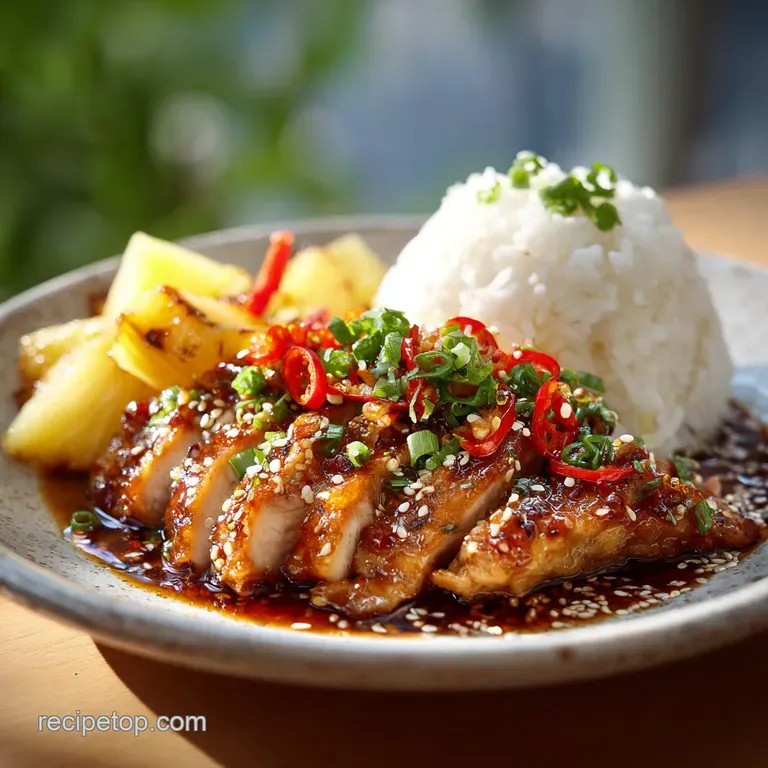
- Time: Active 15 minutes, Passive 20 minutes, Total 35 minutes
- Flavor/Texture Hook: A velvety, citrus forward glaze over crispy, golden brown chicken thighs
- Perfect for: A busy weeknight family dinner or a quick meal prep session
- Making the Most Vibrant Pineapple Chicken Ever
- Secrets for a Glossy Glaze
- Essential Dish Details
- The Alchemy of Flavor
- Simple Tools for Success
- The Step-by-Step Method
- Solving Common Cooking Problems
- Flavorful Variations to Try
- Myths About Stir Frying
- Keeping Your Leftovers Fresh
- Stunning Ways to Serve
- Very High in Sodium
- Recipe FAQs
- 📝 Recipe Card
Making the Most Vibrant Pineapple Chicken Ever
Friday nights at our house used to be a frantic scramble for the takeout menu until I realized that the "30 minute delivery" was usually a lie that resulted in soggy, lukewarm food.
I remember one specific evening when the rain was lashing against the kitchen window and the kids were starving; I decided to skip the call and just raid the pantry. I had a stray can of juice, some thighs, and a bell pepper that had seen better days, so I threw them into my heaviest skillet.
The moment the dark brown sugar hit the hot pan and began to bubble into a deep caramel, the whole kitchen transformed. That specific sizzle and the sharp, bright aroma of fresh ginger hitting the oil changed our family "fakeaway" nights forever.
This isn't just a meal; it's a reliable victory for any home cook who wants restaurant quality results without the greasy cardboard box. We're talking about a sauce that clings to the meat like silk and chicken that actually holds its crunch.
Secrets for a Glossy Glaze
Enzymatic Tenderizing: The bromelain in fresh pineapple juice breaks down tough protein fibers, making the chicken incredibly soft.
Maillard Reaction: Coating the chicken in cornstarch before searing creates a high surface area crust that traps flavors and creates a satisfying crunch.
Starch Gelatinization: As the sauce simmers, the cornstarch molecules swell and burst, transforming thin juice into a thick, glossy coating that coats a spoon.
Sugar Caramelization: Dark brown sugar provides a complex sweetness that, when heated, develops nutty notes to balance the acidity of the vinegar.
Quick Decision Doneness Table
| Thickness | Internal Temp | Rest Time | Visual Cue |
|---|---|---|---|
| 1 inch pieces | 74°C (165°F) | 3 minutes | No pink, juice runs clear |
| 2 inch chunks | 74°C (165°F) | 5 minutes | Firm texture, golden exterior |
| Shredded/Small | 74°C (165°F) | 2 minutes | Opaque center, edges are crispy |
Using a digital thermometer is the most reliable way to ensure your chicken remains juicy rather than turning into rubber. If you're looking for other fast ways to get dinner on the table, you might enjoy my Cook Juicy Shawarma recipe which uses similar over high heat techniques for maximum flavor.
Essential Dish Details
This recipe is designed for efficiency, so don't feel like you need a dozen fancy gadgets to make it work. I've found that a simple, large non stick skillet or a well seasoned cast iron pan does the job perfectly.
We're aiming for a total time of 35 minutes, which is exactly how long it takes to steam a fresh pot of jasmine rice to serve alongside it.
Chef's Tip: Freeze your ginger for about 10 minutes before grating; it makes it much firmer and prevents the ginger from turning into a stringy mess in your hand.
Ingredient Deep Dive
| Ingredient | Science Role | Pro Secret |
|---|---|---|
| Chicken Thighs | High fat content ensures the meat stays moist during the over high heat stir fry process. | Trim excess skin but keep the fat for flavor. |
| Cornstarch | Acts as a barrier against moisture loss and creates the "shatter" crunch on the crust. | Shake off every bit of excess or it will clump. |
| Pineapple Juice | Provides the acidic base needed to balance the salty soy sauce and sweet sugar. | Use unsweetened to control the final sugar level. |
| Fresh Ginger | Contains zingibain, an enzyme that further tenderizes the meat while adding aromatic heat. | Grate it directly into the sauce for freshness. |
Before we get into the heavy lifting, make sure you have everything prepped and ready to go near the stove. Stir frying happens fast, and you don't want to be chopping onions while your garlic is burning in the pan.
The Alchemy of Flavor
- 680g (1.5 lbs) chicken thighs: Cut into 2.5cm pieces. Why this? Thighs are much more forgiving than breasts and won't dry out.
- Substitute: Chicken breasts (reduce cook time by 2 minutes to avoid dryness).
- 30ml (2 tbsp) neutral oil: Use canola or grapeseed. Why this? High smoke point allows for a hard sear without burning.
- Substitute: Avocado oil or light olive oil.
- 3g (1/2 tsp) sea salt: For basic seasoning.
- Substitute: Kosher salt.
- 1g (1/4 tsp) cracked black pepper: For a subtle bite.
- Substitute: White pepper for a more floral heat.
- 30g (1/4 cup) cornstarch: To coat the chicken. Why this? Essential for that specific Chinese takeout texture.
- Substitute: Arrowroot powder or potato starch.
- 240ml (1 cup) unsweetened pineapple juice: The liquid base.
- Substitute: Orange juice (adds a more citrusy, tart profile).
- 80ml (1/3 cup) low sodium soy sauce: For the umami punch.
- Substitute: Tamari for a gluten-free version.
- 30ml (2 tbsp) rice vinegar: To cut through the sugar.
- Substitute: Apple cider vinegar.
- 50g (1/4 cup) dark brown sugar: For sweetness and color. Why this? Molasses in dark sugar adds a richer depth.
- Substitute: Honey or maple syrup (will be slightly less "caramel" tasting).
- 15g (1 tbsp) fresh ginger: Grated finely.
- Substitute: 1 tsp ground ginger (though fresh is significantly better).
- 3 cloves garlic: Minced.
- Substitute: 1 tsp garlic powder.
- 15ml (1 tbsp) Sriracha: For a balanced kick.
- Substitute: Red pepper flakes or Sambal Oelek.
- 300g (2 cups) fresh pineapple chunks: Sweetness and texture.
- Substitute: Canned pineapple (drain well and pat dry).
- 1 large red bell pepper: Chopped into squares.
- Substitute: Green or yellow bell pepper.
- 1/2 large red onion: Cut into wedges.
- Substitute: Yellow onion or shallots.
- 2 green onions: Sliced for garnish.
- 5g (1 tsp) sesame seeds: For texture and look.
Simple Tools for Success
You really only need one large skillet to make this happen. A 30cm (12 inch) skillet is the sweet spot because it gives the chicken enough room to brown without steaming itself. If you try to cram all that chicken into a small pan, it will just release its juices and boil, leaving you with gray, rubbery meat instead of that beautiful golden crust.
You'll also need a large mixing bowl to toss the chicken in the cornstarch and a smaller jar or bowl to whisk the sauce. I love using a glass jar for the sauce because you can just put the lid on and give it a massive shake to ensure the sugar is fully dissolved.
A pair of tongs is much better than a spatula for flipping the chicken pieces individually to get that perfect sear on all sides.
The step-by-step Method
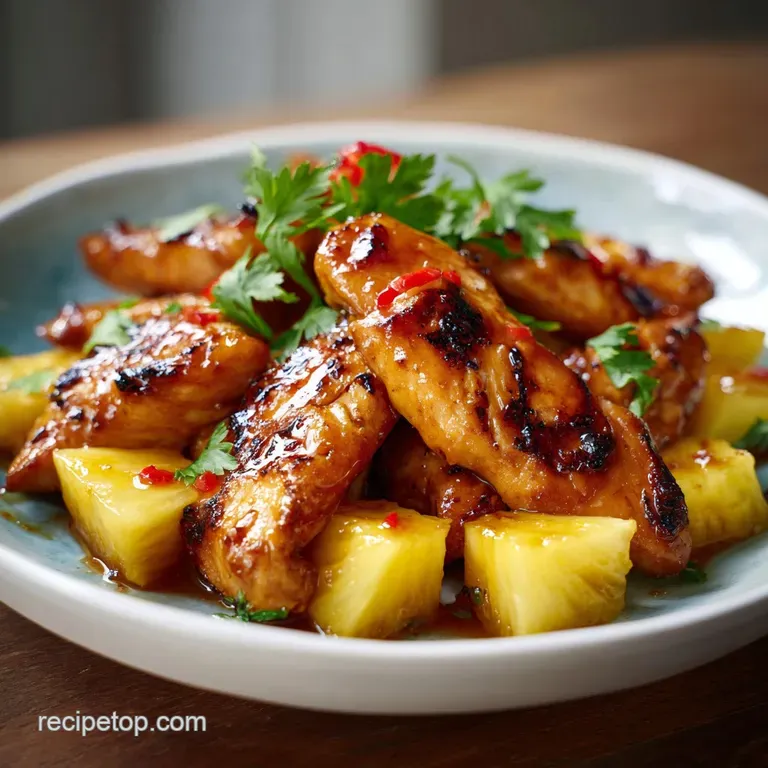
- Prep the chicken. Pat the 680g of chicken thighs completely dry with paper towels. Note: Surface moisture is the enemy of a good sear.
- Coat the meat. Toss the chicken in a bowl with 30g of cornstarch, salt, and pepper until every piece is evenly dusted and matte.
- Whisk the glaze. Combine the 240ml pineapple juice, soy sauce, rice vinegar, brown sugar, ginger, garlic, and Sriracha in a small bowl.
- Sear the chicken. Heat 30ml oil in your skillet over medium high heat. Add chicken in a single layer and cook for 5-6 minutes until golden brown and crispy.
- Remove and rest. Take the chicken out of the pan and set it aside on a plate. Note: This prevents the chicken from overcooking while we soften the veg.
- Sauté the aromatics. Add the red onion and bell peppers to the same pan. Cook for 3-4 minutes until the edges are slightly charred but still crisp.
- Add the fruit. Toss in the 300g of fresh pineapple chunks and cook for 2 minutes until they start to caramelize and smell sweet.
- Simmer the sauce. Pour the prepared liquid mixture into the skillet. Bring to a boil, then reduce heat and simmer for 3-5 minutes until the sauce turns velvety and thick.
- The final marriage. Return the chicken to the pan and toss everything together for 1 minute until the meat is fully coated and glistening.
- Garnish and serve. Remove from heat immediately. Sprinkle with sliced green onions and sesame seeds until it looks like a restaurant dish.
For a completely different flavor profile that's just as fast, you should try my Cowboy Butter Lemon recipe which uses a similar pan searing method but with a rich, buttery herb sauce.
Solving Common Cooking Problems
The most common issue people have is a sauce that stays watery. This usually happens if the heat isn't high enough or if you added too much liquid from the pineapple chunks. If you're using canned pineapple, that extra juice can throw off the ratios completely.
Troubleshooting the Glaze
| Problem | Root Cause | Solution |
|---|---|---|
| Thin, watery sauce | Not enough reduction time or too much fruit juice. | Simmer for 2 extra minutes or add a tiny cornstarch slurry. |
| Soggy chicken | Overcrowded pan during the initial searing phase. | Sear in two batches next time to ensure high heat contact. |
| Burnt garlic flavor | Garlic was added too early to a screaming hot pan. | Always add garlic to the liquid or late in the sauté process. |
Common Mistakes Checklist
- ✓ Never skip patting the chicken dry; moisture creates steam, not crust.
- ✓ Don't use "light" soy sauce unless you want a very salty dish; low sodium is best here.
- ✓ Resist the urge to move the chicken for the first 3 minutes of searing.
- ✓ Avoid using frozen pineapple unless it is completely thawed and drained.
- ✓ Use a wide pan; a crowded pan is the fastest way to ruin the texture.
Flavorful Variations to Try
If you find yourself cooking for a crowd, this recipe scales beautifully. For a double batch (8 servings), I recommend using two separate skillets rather than one giant one. If you try to double the ingredients in one pan, the temperature drops too far, and you'll end up with a stew rather than a stir fry.
Also, when doubling the spices and Sriracha, start with 1.5x the amount and taste before adding the rest, as heat levels can compound quickly.
Stovetop vs Oven Method
| Method | Time | Texture | Best For |
|---|---|---|---|
| Skillet (Stovetop) | 20 minutes | Crispy edges, thick glaze | Quick weeknight meals |
| Sheet Pan (Oven) | 30 minutes | Softer texture, roasted flavor | Hands off cooking/Meal prep |
| Air Fryer | 15 minutes | Extremely crunchy | Small batches/Solo dining |
Three Ways to Customize
- If you want more heat, add an extra tablespoon of Sriracha or a teaspoon of red chili flakes to the sauce.
- If you want a low carb version, swap the brown sugar for a monk fruit sweetener and serve over cauliflower rice.
- If you want a deeper flavor, add a teaspoon of toasted sesame oil to the sauce right before serving.
Myths About Stir Frying
One big misconception is that you need a traditional wok to make a good stir fry. While a wok is great for "wok hei" (that smoky breath of the wok), a heavy flat bottomed skillet actually works better on standard electric or induction stoves because it has more surface area in contact with the heat source.
Another myth is that you should marinate the chicken in the sauce beforehand. Actually, for this specific "crispy" style, marinating would make the chicken too wet to take on the cornstarch coating properly. You get much better results by searing the seasoned meat and adding the sauce at the very end to glaze it.
Keeping Your Leftovers Fresh
Storage: Store any leftovers in an airtight container in the fridge for up to 4 days. The sauce will actually thicken further as it cools, so don't be alarmed if it looks like jelly the next day. To reheat, add a splash of water or extra pineapple juice to the pan to loosen the sauce back up.
Freezing: You can freeze this for up to 3 months. However, the bell peppers will lose their "snap" and become quite soft once thawed. If you plan to freeze it, I suggest undercooking the vegetables slightly.
Zero Waste: Don't toss the pineapple core! You can thinly slice it and simmer it with some water and sugar to make a simple syrup for cocktails or iced tea. Also, those green onion ends can be stuck in a glass of water on your windowsill, and they’ll grow back in about a week.
Stunning Ways to Serve
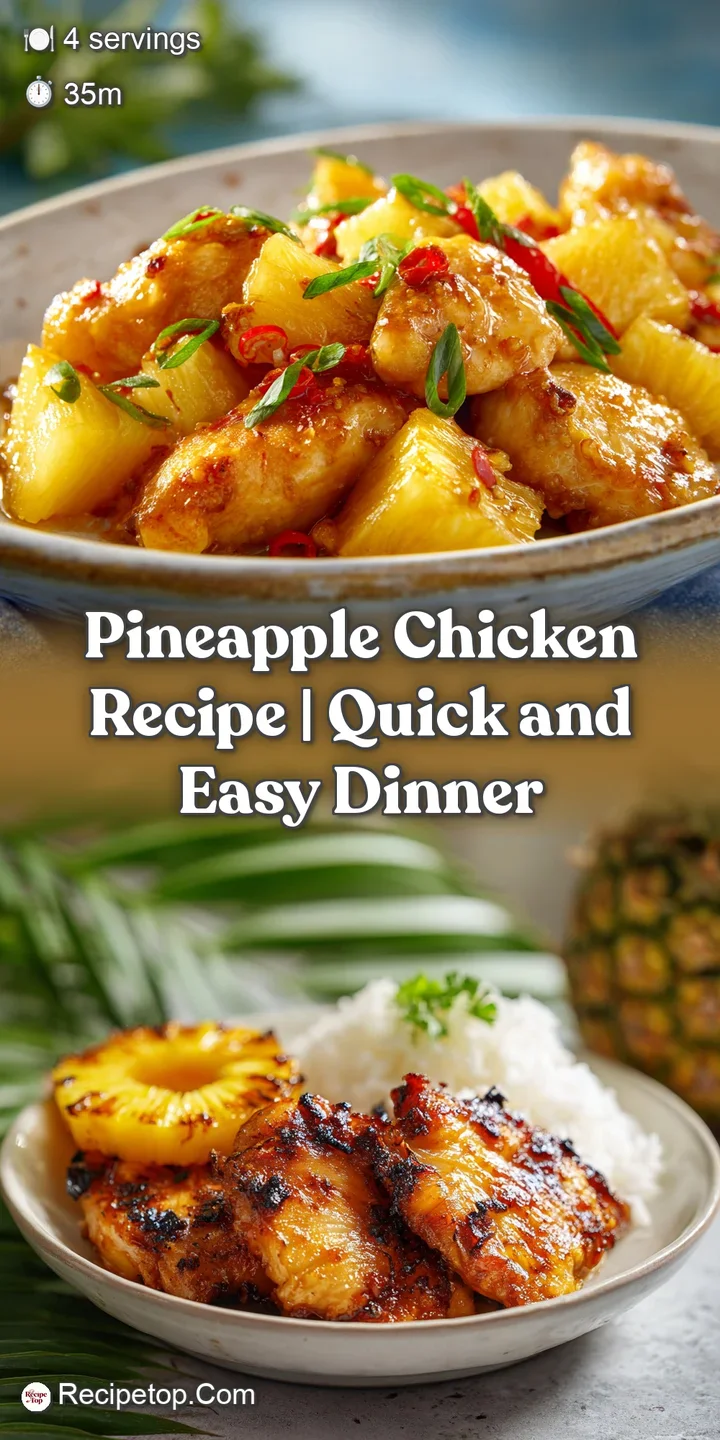
To make this look like a restaurant quality bowl, serve the Pineapple Chicken over a bed of fluffy jasmine rice. Use a small bowl to mold the rice into a dome shape on the plate before topping it with the glossy chicken. I like to pile the red peppers and pineapple chunks right on top to show off the vibrant colors.
If you have a fresh pineapple, you can even carve out the center and use the hollowed out shell as a serving bowl. It's a bit of extra work, but for a weekend dinner or a small gathering, the "wow" factor is unbeatable. For another crowd pleaser that works great for parties, check out my Buffalo Chicken Dip recipe, which is always the first thing to disappear at my house. Finishing the dish with a heavy hand of fresh green onions and toasted sesame seeds adds that final pop of color and texture that makes the whole meal feel special.
Very High in Sodium
1140 mg mg of sodium per serving (50% of daily value)
The American Heart Association recommends limiting sodium intake to about 2,300mg per day for most adults.
Tips to Reduce Sodium
-
Reduce Soy Sauce-20%
Soy sauce is a significant source of sodium. Reduce the amount of low sodium soy sauce by half and consider adding a touch more rice vinegar to compensate for flavor. This can reduce sodium without sacrificing the dish's essential taste.
-
Limit Added Salt-25%
Reducing the amount of added sea salt will significantly lower the sodium content. Reduce the salt quantity to 1/4 tsp or eliminate it entirely and adjust to taste later.
-
Control Sriracha-10%
Sriracha can contain a substantial amount of sodium. Use a smaller amount or try a low-sodium chili garlic sauce as a substitute for a similar flavor profile.
-
Fresh Pineapple-5%
Ensure you are using fresh pineapple chunks rather than canned, as canned pineapple may contain added sodium. Fresh pineapple also provides a brighter, more natural flavor.
-
Spice it Up!
Enhance the flavor with sodium free herbs and spices. Consider adding garlic powder, onion powder, smoked paprika, or red pepper flakes for a more complex flavor.
Recipe FAQs
Do chicken and pineapple go together?
Yes, chicken and pineapple pair excellently. The acidity of the pineapple works as a natural tenderizer, while its sweetness balances savory seasonings like soy sauce or salt, creating a classic sweet and-sour profile.
What gives Hawaiian chicken its sweet flavor?
Brown sugar and fruit sugars are the main contributors. Dark brown sugar adds depth through molasses notes, and fresh or canned pineapple releases natural fruit sugars during cooking, which caramelize beautifully.
What does marinating chicken in pineapple juice do?
It tenderizes the meat significantly due to the enzyme bromelain. This enzyme breaks down tough muscle fibers, resulting in very tender chicken, but be careful not to over marinate or the texture can become mushy.
What is the pineapple chicken at Chipotle?
Chipotle does not currently offer a standardized pineapple chicken item. While they occasionally run limited time specials, most "Chipotle style" pineapple chicken recipes mimic sweet and tangy grilled chicken often found in fast casual Asian fusion restaurants.
How do I make the chicken crispy before adding the sauce?
Toss the raw chicken pieces in cornstarch, then sear them in hot oil without overcrowding the pan. Ensure the chicken is completely dry before coating so the starch adheres properly, which creates that shatteringly crisp crust before glazing.
Is it true that the sauce thickness is solely dependent on simmering time?
No, the thickness primarily relies on the ratio of liquid to cornstarch. While simmering reduces the water content, the glossy, thick texture comes from the cornstarch thickening as it gelatinizes when heated through.
How can I balance the heavy sweetness if I want a less dessert like flavor?
Increase the acidic components like rice vinegar or add fresh lime juice. Adding a dash of white pepper or slightly increasing the Sriracha level also helps cut through the sugar; if you master this balance here, you'll find the same technique useful when mastering flavor complexity in our Mediterranean Ground Chicken recipe.
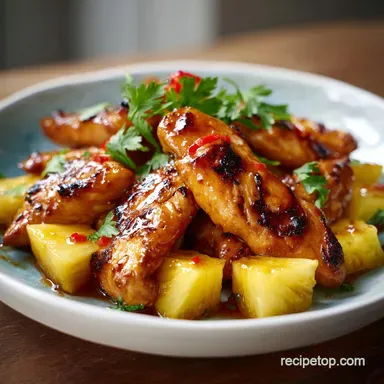
Easy Pineapple Chicken
Ingredients:
Instructions:
Nutrition Facts:
| Calories | 598 kcal |
|---|---|
| Protein | 36.8 g |
| Fat | 28.4 g |
| Carbs | 47.2 g |
| Fiber | 2.1 g |
| Sugar | 31.5 g |
| Sodium | 1140 mg |
