Easy Homemade Naan Bread: Soft and Pillowy
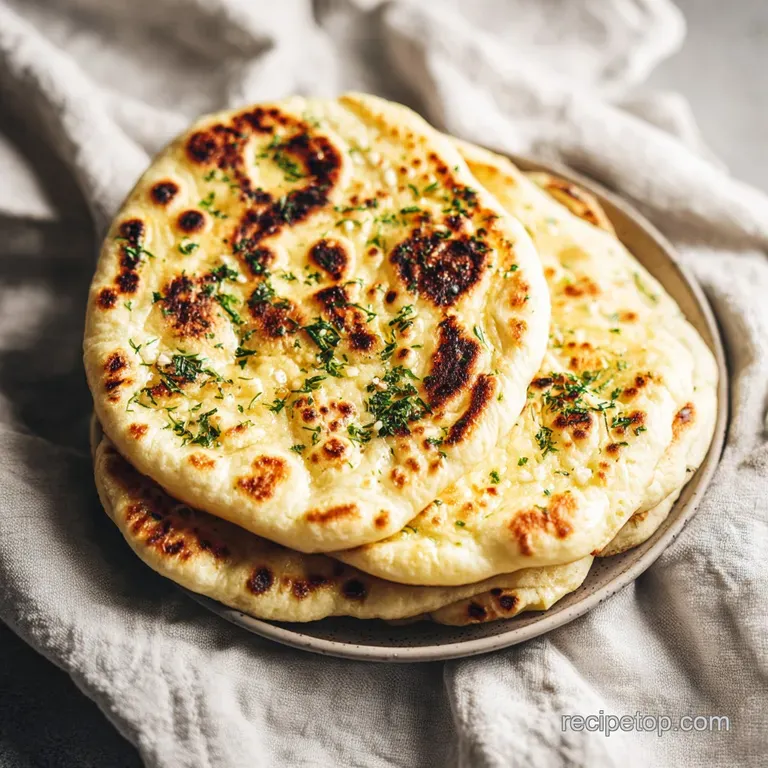
- Time: Active 30 minutes, Passive 45 minutes, Total 75 minutes
- Flavor/Texture Hook: Buttery, charred, and pillowy
- Perfect for: Weeknight curry nights or family dipping platters
- Master This Easy Homemade Naan Bread Recipe
- How Yogurt Keeps Bread Supple
- Component Analysis for Better Bread
- Simple Tools for Soft Flatbread
- Crafting the Pillowy Dough
- Fixing Dry or Dense Flatbread
- Adjusting for Large Crowds
- Debunking Flatbread Myths
- Freshness and Zero Waste Tips
- Serving Ideas and Pairing Suggestions
- Recipe FAQs
- 📝 Recipe Card
Master This Easy Homemade Naan Bread Recipe
We have all been there: you spend an hour simmering a beautiful curry, only to serve it with store-bought naan that has the texture of a dusty cardboard coaster. It is frustrating because that bread is supposed to be the vehicle for all that glorious sauce, yet it usually ends up being the weakest link on the plate.
I used to think that achieving those iconic charred bubbles required a 900°F tandoor oven and a professional chef's hands, but I was completely wrong.
The real problem with most home attempts is a lack of moisture and a fear of high heat. If the dough is too dry, it turns into a cracker; if the pan is too cool, the bread dries out before it can puff.
This easy homemade naan bread recipe fixes those issues by using full fat Greek yogurt for elasticity and a screaming hot cast iron skillet to mimic the intense environment of a traditional clay oven.
You do not need a culinary degree or a kitchen full of gadgets to get this right. We are going to focus on a "shaggy dough" method that keeps the bread supple and a quick sear that locks in the steam. Once you see that first giant bubble inflate in your pan, you will never go back to the plastic wrapped stuff again.
Let's get into the mechanics of why this works so well.
How Yogurt Keeps Bread Supple
Acidic Tenderization: The lactic acid in Greek yogurt breaks down gluten strands just enough to ensure the bread stays soft rather than becoming rubbery or tough.
Steam Production: High moisture content in the dough creates rapid steam when it hits the hot skillet, which is what forces the dough to puff up and create those airy pockets.
Maillard Acceleration: The sugars and proteins in the yogurt and honey react quickly to heat, giving you those beautiful dark leopard spots without overcooking the center.
Fat Barrier: Olive oil and yogurt fats coat the flour particles, preventing them from forming a rigid structure, which keeps the naan flexible even after it cools down.
| Method | Cook Time | Texture Outcome | Best Use Case |
|---|---|---|---|
| Cast Iron Skillet | 2 minutes | Deeply charred, bubbly, and chewy | Authentic restaurant style results |
| Baking Steel/Stone | 5 minutes | Evenly browned, slightly crisper | Making large batches at once |
| Air Fryer | 4 minutes | Very puffy, less char, slightly drier | Quick single servings |
When choosing your cooking method, remember that the skillet provides the most direct heat. This mimics the "slap" of the dough against the side of a tandoor. If you are in a rush and need a faster alternative that requires less hands on time, you might want to try a Garlic Butter Flatbread which skips the long yeast rise but still offers great flavor.
Component Analysis for Better Bread
| Ingredient | Science Role | Pro Secret |
|---|---|---|
| Greek Yogurt | Provides acidity and fat for a tender crumb. | Use room temperature yogurt to avoid shocking the yeast. |
| Active Dry Yeast | Responsible for the rise and the fermented flavor. | Always bloom in 110°F water; too hot will kill the microbes. |
| All Purpose Flour | Provides the structure and protein (gluten) needed. | Weigh your flour (375g) to ensure the hydration ratio is spot on. |
| Nigella Seeds | Adds a distinct nutty, onion like aroma. | Toast them lightly in a dry pan before adding to the dough. |
The relationship between these ingredients is what defines the "pull" of a good naan. Without the yogurt, you have a basic pizza dough. With it, you have a velvety, rich bread that feels substantial but melts in your mouth.
Simple Tools for Soft Flatbread
You really do not need much for this easy homemade naan bread recipe, which is the beauty of it. A heavy bottomed skillet is your best friend here. I personally swear by a 12 inch cast iron skillet because it holds heat like a champion.
When you drop that cold dough onto it, the temperature doesn't plummet, which is vital for getting those big, beautiful bubbles.
Aside from the pan, a solid wooden spoon and a large mixing bowl are all you need for the dough. You could use a stand mixer, but honestly, for a 3 minute knead, it is almost more work to clean the machine than to just do it by hand.
A rolling pin helps get that even thickness, but in a pinch, a smooth wine bottle works just as well. We are keeping it simple and efficient so you can get dinner on the table without a mountain of dishes.
For the Yeast Bloom
- 0.5 cup warm water (120ml): Why this? Hydrates the yeast cells to kickstart fermentation quickly.
- 1 tsp granulated sugar: Why this? Provides immediate food for the yeast to produce CO2.
- 2 tsp active dry yeast: Why this? Essential for the airy, bubbly texture and classic smell.
For the Dough Base
- 3 cups all purpose flour (375g): Why this? Balanced protein content for softness and enough chew.
- 1 tsp fine sea salt: Why this? Tightens gluten and highlights the nutty wheat flavors.
- 0.5 cup plain full fat Greek yogurt (120g): Why this? Adds fat and acidity for the signature tender crumb.
- 2 tbsp extra virgin olive oil: Why this? Increases elasticity and prevents the dough from sticking.
- 1 tsp nigella seeds: Why this? Traditional spice that provides a complex, savory finish.
For the Signature Finish
- 4 tbsp salted butter, melted: Why this? Adds richness and keeps the cooked bread soft.
- 3 cloves fresh garlic, minced: Why this? Infuses the butter with sharp, aromatic pungency.
- 2 tbsp fresh cilantro, finely chopped: Why this? Adds a bright, herbaceous contrast to the rich butter.
Crafting the Pillowy Dough

Activating the Yeast
Combine warm water (110°F), sugar, and yeast in a small bowl. Let it sit for 5 to 10 minutes until a thick, frothy foam forms on the surface. Note: If it doesn't foam, your yeast is likely dead; start over with fresh yeast.
Integrating the Ingredients
In a large bowl, whisk together the flour and salt, then create a well in the center. Pour the yeast mixture, Greek yogurt, and olive oil into the well. Stir with a wooden spoon until a shaggy, messy dough forms.
Mastering the Rise
Knead the dough by hand for about 3 minutes until it feels smooth but slightly tacky to the touch. Cover the bowl with a damp towel and let it rest in a warm spot for 45 minutes until it has nearly doubled in size.
Shaping and Rolling
Divide the rested dough into 8 equal portions. On a lightly floured surface, roll each piece out into an oval shape until it is about 1/4 inch thick.
Searing for Success
Heat a cast iron skillet over medium high heat until it is nearly smoking. Place one piece of dough in the dry pan and cook for 1 to 2 minutes until large bubbles inflate and the bottom is charred. Note: Do not use oil in the pan; the dry heat creates better charring.
Finishing with Flavor
Flip the naan and cook for another 1 to 2 minutes until the second side is blistered and golden. While the bread is hot, combine the melted butter, minced garlic, and cilantro in a small bowl. Brush the mixture onto the warm naan until it looks glossy and aromatic.
Fixing Dry or Dense Flatbread
The most common issue I see is naan that comes out heavy and dense. This almost always happens because the dough was over floured during the kneading process. It is tempting to keep adding flour when the dough sticks to your hands, but that tackiness is actually your best friend.
It means there is enough moisture to create steam. If you add too much flour, you lose that steam, and the bread becomes a brick.
Another pitfall is the temperature of the pan. If the skillet isn't hot enough, the bread will sit there and dry out before the air pockets have a chance to expand. You want to see that sizzle and hear the dough react the moment it touches the iron.
Rescuing Dense or Heavy Naan
If your bread is coming out like a hockey puck, the hydration is off. A simple fix is to wet your hands while kneading instead of adding more flour. This keeps the dough supple without making it heavy.
Preventing a Tough Texture
Toughness usually comes from over kneading. Unlike a loaf of sourdough, naan doesn't need a massive gluten network. Stop as soon as it looks smooth.
| Problem | Root Cause | Solution |
|---|---|---|
| No bubbles forming | Skillet is too cold | Increase heat until the pan is lightly smoking before adding dough. |
| Bread is dry/brittle | Cooked for too long | Shorten cook time; 1-2 minutes per side is plenty for high heat. |
| Dough won't stretch | Not enough rest time | Let the dough sit for an extra 10 minutes to relax the gluten. |
Common Mistakes Checklist
- ✓ Ensure your water is exactly between 105°F and 115°F (too hot kills yeast, too cold won't wake it up).
- ✓ Don't skip the damp towel cover; it prevents a "skin" from forming on the dough during the rise.
- ✓ Always use a dry skillet; adding oil to the pan will fry the bread rather than charring it.
- ✓ Brush the garlic butter on immediately while the bread is steaming to help it soak in.
Adjusting for Large Crowds
If you are hosting a big dinner party, this recipe scales beautifully. For a double batch (16 servings), you can simply double the ingredients, but keep a close eye on the yeast. You do not always need to double the yeast exactly; 3.5 teaspoons is usually enough for a double batch of flour.
When working with larger amounts, I recommend dividing the dough into two bowls for the rise to ensure even fermentation.
For a half batch, use a single teaspoon of yeast and half an egg (whisked) if you were using a recipe that called for eggs, but since we are using yogurt, just use 1/4 cup. The cooking time remains the same, but you will want to work in batches to avoid overcrowding.
If you find yourself with extra dough, it actually tastes better the next day after a slow ferment in the fridge.
Chef's Tip: If you are making a double batch, keep the finished naan in a low oven (200°F) wrapped in a clean kitchen towel. This keeps them soft and warm without drying them out while you finish the rest.
| Servings | Flour Amount | Yogurt Amount | Pan Size |
|---|---|---|---|
| 4 people | 1.5 cups (188g) | 0.25 cup | 10 inch skillet |
| 8 people | 3 cups (375g) | 0.5 cup | 12 inch skillet |
| 16 people | 6 cups (750g) | 1 cup | Two 12 inch skillets |
Debunking Flatbread Myths
One massive myth is that you cannot make authentic naan without a tandoor. While a tandoor provides a unique smoky flavor from charcoal, a cast iron skillet provides the exact same conductive heat. The "bubbles" are a result of hydration and heat, not the shape of the oven.
If you get your pan hot enough, you'll get 95% of the way to a restaurant result.
Another misconception is that you must use bread flour. While bread flour has more protein, it can actually make naan too chewy, almost like a bagel. All purpose flour provides the right balance of soft and structure. Finally,, many people think you can't make this vegan.
While traditional naan uses yogurt and butter, you can easily swap in coconut yogurt and a high-quality vegan butter or oil without losing that characteristic puff.
Freshness and Zero Waste Tips
Storage Guidelines: Once cooled, store your naan in a zip top bag at room temperature for up to 2 days. For longer storage, these freeze exceptionally well. Place a piece of parchment paper between each naan, wrap the stack in foil, and freeze for up to 3 months.
To reheat, just pop them in a toaster or back onto a hot skillet for 30 seconds per side. Avoid the microwave, as it can make them turn rubbery.
Zero Waste Flourish: If you have leftovers that have gone a bit stale, do not throw them away! They make the most incredible base for a "naan pizza." Top them with a little tomato sauce and cheese and bake until bubbly.
You can also cut them into triangles, toss them with olive oil and za'atar, and bake them into crispy chips for dipping. Even the cilantro stems can be finely minced and added to the garlic butter for extra flavor instead of being tossed in the compost.
Serving Ideas and Pairing Suggestions
This naan is practically begging to be dunked into something saucy. It is the natural companion to a hearty tikka masala or a creamy dal. I also love using it as a wrap for grilled meats or falafel. Because the bread is so sturdy yet flexible, it holds up well to heavy fillings without tearing.
For a fun twist, try serving it alongside something unexpected. I once served warm naan with a Peach Butter spread, and the combination of the charred, salty bread with the sweet, caramelized fruit was a massive hit. It is also a great alternative to traditional rolls when serving something like Traditional Irish Pasties, offering a different texture to mop up any stray gravy or juices. Whatever you do, make sure you serve it warm; that first bite when the garlic butter is still glistening is a kitchen moment you don't want to miss.

Recipe FAQs
How to make quick easy naan bread?
Combine warm water, sugar, and yeast until frothy, then mix with flour, salt, Greek yogurt, and olive oil. Knead for 3 minutes, let the dough rest for 45 minutes, then sear in a hot cast iron skillet for 1-2 minutes per side.
How to make 3 ingredient naan bread?
It is impossible to make authentic naan with only three ingredients. This recipe requires a precise balance of yeast, yogurt, and flour to achieve the signature pillowy texture and charred bubbles.
How to make naan bread with 2 ingredients?
Avoid two-ingredient recipes, as they lack the leavening necessary for a light crumb. Authentic naan relies on active dry yeast and the acidity in Greek yogurt to create the lift and flavor profile expected from this flatbread.
Is naan bread good for diabetics?
No, this is a common misconception regarding glycemic impact. Naan is made with all-purpose flour, which causes a rapid spike in blood glucose, so it should be consumed in moderation.
Why is my naan bread tough instead of soft?
You likely over kneaded the dough or used too much flour during the rolling process. Keep the dough slightly tacky to the touch; if you enjoyed mastering the silky texture of a smooth dough here, apply that same light handed technique to prevent gluten over development.
How do I know if my skillet is hot enough?
The pan is ready when a drop of water sizzles and evaporates instantly upon contact. Using a cast iron skillet over medium high heat is essential to achieve the charred, bubbled surface without drying out the interior of the naan.
Can I prepare the naan dough ahead of time?
Yes, you can prepare the dough up to 24 hours in advance. Keep the covered dough in the refrigerator to slow the fermentation, which actually enhances the flavor of the final bread.
Easy Homemade Naan Bread

Ingredients:
Instructions:
Nutrition Facts:
| Calories | 271 kcal |
|---|---|
| Protein | 6.5 g |
| Fat | 10.2 g |
| Carbs | 37.4 g |
| Fiber | 1.3 g |
| Sugar | 1.1 g |
| Sodium | 338 mg |
