Delish Crab Cakes: Golden and Crispy
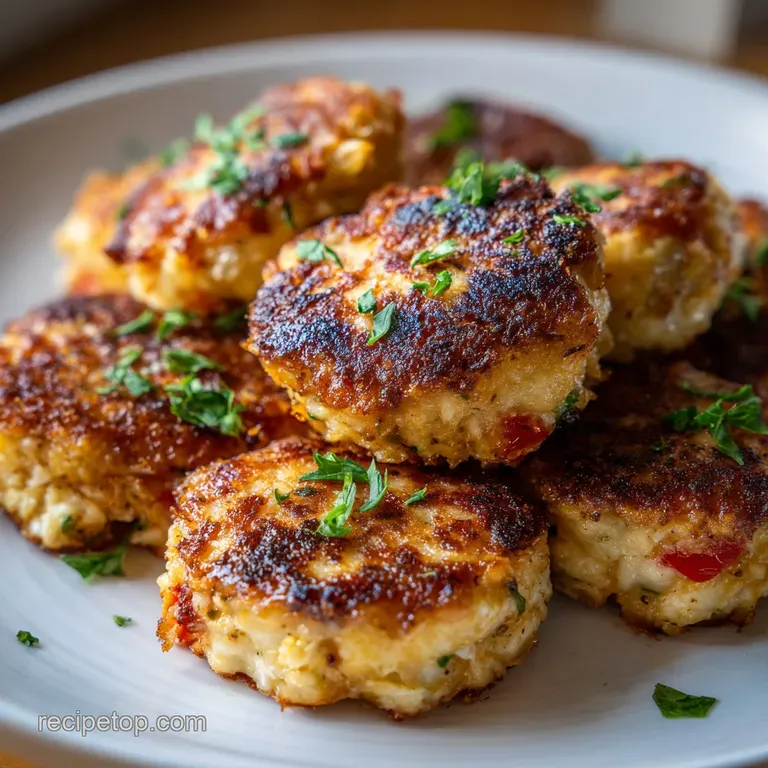
- Time: Active 20 minutes, Passive 40 minutes, Total 60 minutes
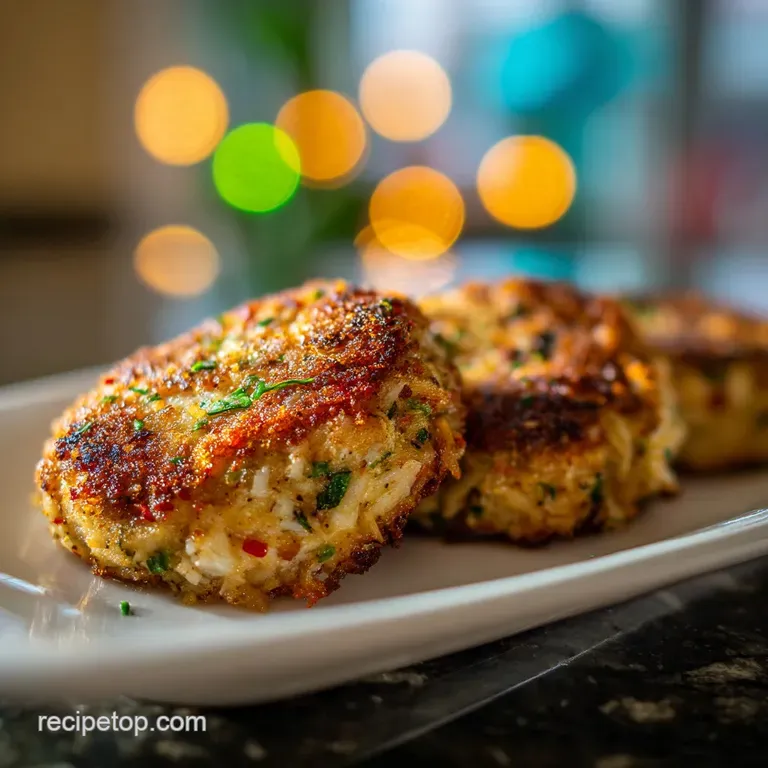
- Flavor/Texture Hook: Golden, buttery exterior with sweet, tender meat and a hint of zesty Old Bay.
- Perfect for: A casual family Saturday or a quick weeknight treat that feels special.
- Creating the Ultimate Texture for Delish Crab Cakes
- The Secret to Cakes That Don't Fall Apart
- Comparing Stovetop Searing to Oven Baking
- Ingredient Deep Dive for Flavor and Stability
- Gathering the Essentials for Success
- Tool Inventory for the Perfect Sear
- From Prep to Plate in Sixty Minutes
- Masterful Tips for Handling Common Pitfalls
- Flavor Variations for Every Occasion
- Preservation and Storage Secrets
- Perfect Complements for a Coastal Feast
- Debunking Common Kitchen Myths
- Recipe FAQs
- 📝 Recipe Card
Creating the Ultimate Texture for Delish Crab Cakes
Imagine it's a humid Tuesday evening, and you want something that feels like a coastal vacation without the four hour drive. You pull out a container of fresh crab, and as you pop the lid, that clean, salty scent of the ocean hits you.
There is nothing like the sound of butter hitting a hot skillet and the gentle sizzle as the first cake touches the pan. It's the kind of meal that makes everyone at the table go quiet for a second because they're too busy enjoying that first, crispy bite.
We've all had those crab cakes that are basically bread rolls with a whisper of seafood. That is not what we are doing here. My goal is to help you make delish crab cakes that actually celebrate the crab.
We are using just enough binder to hold things together, like a gentle hug for the meat, rather than burying it in flour or heavy fillers. It is efficient, family friendly, and honestly, easier than most people think.
I used to be afraid of breaking the lumps of meat, but I learned a simple trick with a silicone spatula that changed everything. We are going to treat this meat like gold because, well, it kind of is. You want those big, chunky pieces to be the star of the show, not a uniform mush.
Let's get into why this method works so well for a busy home cook who still wants top tier flavor.
The Secret to Cakes That Don't Fall Apart
The chemistry of a good crab cake isn't about complex formulas, it's about managing moisture and temperature. When you mix the egg and mayo with the dry ingredients, you're creating a protein rich "glue."
- Protein Setting: The egg proteins uncoil when heated, wrapping around the crab pieces to lock them into place.
- Cold Cure: Chilling the mixture for 30 minutes allows the panko to hydrate and the fats to firm up, ensuring the cakes don't spread in the pan.
- Fat Synergy: Combining oil and butter allows for the over high heat searing of oil with the rich, browning flavor of butter.
- Moisture Control: Using just enough panko absorbs the excess liquid from the lemon and egg without making the interior dense or dry.
Comparing Stovetop Searing to Oven Baking
Picking your cooking method depends entirely on how much time you have and whether you want that deep, buttery crust or a hands off approach.
| Method | Time | Texture | Best For |
|---|---|---|---|
| Stovetop | 10 minutes | Maximum crunch and buttery exterior | Achieving that classic mahogany crust |
| Oven Bake | 15 minutes | Evenly cooked, less oily | Cooking for a large group all at once |
| Air Fryer | 8 minutes | Very crispy but can dry out quickly | A quick, single serving snack |
Cooking these on the stove is my favorite because you get to control the browning exactly as it happens. If you are serving a crowd, though, the oven is your best friend because you can fit all six on one sheet.
Ingredient Deep Dive for Flavor and Stability
Every element in this recipe has a job to do, from providing the "glue" to adding that essential punch of acidity that cuts through the rich mayo.
| Component | Purpose in the Recipe | Pro Secret |
|---|---|---|
| Jumbo Lump Crab | The primary flavor and texture | Always pick through it twice for shells; those little pieces hide well. |
| Panko Breadcrumbs | Structural integrity | Crush them slightly so they blend into the mix without standing out. |
| Old Bay Seasoning | The iconic savory spiced profile | Don't skip this; it's the DNA of a classic coastal crab cake. |
| Dijon Mustard | Emulsifier and tang | It helps the mayo and egg bond together while adding a sharp kick. |
A little tip I picked up: if you want a deeper flavor, you can let the binding sauce sit for ten minutes before adding it to the crab. This lets the dried spices in the Old Bay rehydrate and bloom, making every bite more consistent.
Gathering the Essentials for Success
For these delish crab cakes, the quality of your crab is the most important factor. If you can't find jumbo lump, a "backfin" or "special" grade works, but it will be less chunky.
- 1 lb fresh jumbo lump crabmeat: Picked through for shells. Why this? It provides the best texture and largest bites of sweet meat.
- Substitute: Lump crabmeat (it's slightly cheaper and still tastes great).
- 0.5 cup panko breadcrumbs: Crushed slightly. Why this? They stay crispier than traditional breadcrumbs.
- Substitute: Crushed saltine crackers for a more old school Maryland vibe.
- 2 tbsp fresh flat leaf parsley: Finely chopped. Why this? Adds a pop of color and a fresh, herbaceous note.
- Substitute: Fresh chives for a mild onion flavor.
- 1 large egg: Beaten. Why this? The primary binder that keeps the cake from crumbling.
- Substitute: 2 tablespoons of heavy cream (though it will be a bit more fragile).
- 0.25 cup high-quality mayonnaise: Why this? Provides moisture and fat for a velvety interior.
- Substitute: Plain Greek yogurt (it adds a bit more tang).
- 1 tsp Worcestershire sauce: Why this? Adds a deep, savory umami layer.
- Substitute: Soy sauce in a pinch.
- 1 tsp Dijon mustard: Why this? Helps emulsify the sauce and adds a bit of heat.
- Substitute: Dry mustard powder (use 0.5 tsp).
- 1.5 tsp Old Bay seasoning: Why this? The quintessential seasoning for seafood.
- Substitute: A mix of celery salt, paprika, and black pepper.
- 1 tbsp fresh lemon juice: Why this? Brightens the heavy fats and enhances the crab's sweetness.
- Substitute: White wine vinegar.
- 0.25 tsp kosher salt: Why this? Enhances all the other flavors.
- Substitute: Sea salt.
- 2 tbsp neutral oil: Such as avocado or grapeseed. Why this? High smoke point for a perfect sear.
- Substitute: Vegetable oil.
- 2 tbsp unsalted butter: Why this? For that unmistakable rich, nutty flavor and color.
- Substitute: Ghee or clarified butter.
This recipe pairs beautifully with a simple side dish to round out the meal. If you want something crispy to go with the tender crab, these Ranch Roasted Potatoes are a massive hit with the kids and take almost no effort.
Tool Inventory for the Perfect Sear
You don't need a professional kitchen, but a few specific tools make the process much smoother and prevent the cakes from breaking.
- Large Non stick or Cast iron Skillet: This is non negotiable for getting that golden crust without the meat sticking to the pan.
- Silicone Spatula: Perfect for folding the crab gently without crushing those expensive lumps.
- Fish Spatula or Wide Turner: You need something thin and flexible to get under the cakes when it's time to flip.
- Baking Sheet with Parchment: Essential for the 30 minute chilling phase so the cakes don't stick to the tray.
From Prep to Plate in Sixty Minutes
- Place the crabmeat in a large bowl and sprinkle the panko and parsley over the top without stirring. Note: This prevents the panko from clumping in one spot.
- In a separate small bowl, whisk the egg, mayonnaise, Worcestershire sauce, Dijon mustard, Old Bay, lemon juice, and salt until smooth.
- Pour the wet mixture over the crab and gently fold with a silicone spatula to coat the crab without breaking the large lumps. Note: Think of it like folding flour into a cake batter; be very gentle.
- Divide the mixture into 6 equal mounds and gently form into cakes.
- Place the cakes on a parchment lined baking sheet and chill in the refrigerator for 30 minutes to allow the proteins to set. Note: Do not skip this step! It's the difference between a whole cake and a pile of crab hash.
- Heat the oil and butter in a large non stick or cast iron skillet over medium high heat.
- Wait for the butter to stop foaming and turn a light nut brown before adding the cakes.
- Sear the crab cakes for 4-5 minutes per side until a mahogany colored crust forms and the interior is heated through.
- Transfer to a paper towel lined plate for just a moment to drain any excess fat.
- Serve immediately with extra lemon wedges on the side.
Masterful Tips for Handling Common Pitfalls
The biggest hurdle with delish crab cakes is often the structural integrity. If they are falling apart, it’s usually because of one of two things: too much liquid or not enough chill time.
Why Your Crab Cakes Fall Apart
If the cakes hit the pan and immediately start to spread, the binder wasn't strong enough or the temperature of the pan was too low. The initial blast of heat is what "shocks" the egg into solidifying and holding the crab together.
| Problem | Root Cause | Solution |
|---|---|---|
| Soggy Interior | Too much mayo or too much lemon juice | Measure liquids carefully and don't "eyeball" the mayo. |
| Burnt Exterior | Heat was too high or only butter was used | Use the oil butter hybrid to raise the smoke point. |
| Bland Flavor | Crab wasn't seasoned enough | Ensure the Old Bay is mixed thoroughly into the wet ingredients first. |
After you've finished a savory meal like this, I always find it's nice to have something sweet ready to go. You could try making these Red Velvet Cupcakes while the crab cakes are chilling in the fridge.
Common Mistakes Checklist
- ✓ Never use a metal spoon to mix; a silicone spatula is much gentler on the meat.
- ✓ Don't over crowd the skillet; cook in two batches if your pan isn't large enough.
- ✓ Always pat the crabmeat dry with a paper towel before adding it to the bowl.
- ✓ Avoid using "canned" crabmeat from the grocery aisle; use the refrigerated tubs instead.
- ✓ Let the pan get hot for at least 3 minutes before adding the fat.
Flavor Variations for Every Occasion
While the classic version is hard to beat, you can easily adapt this base for different settings or dietary needs.
- Quick Crab Cake Bites: Form the mixture into 1 inch rounds instead of full cakes. These are perfect for parties. Reduce the sear time to 2 minutes per side.
- Air Fryer Crab Cakes: Preheat your air fryer to 400°F (200°C). Lightly spray the chilled cakes with oil and cook for 8-10 minutes. They won't be as buttery, but they are very crispy.
- gluten-free Version: Swap the panko for crushed gluten-free crackers or almond flour. Note that almond flour will result in a slightly denser texture.
- Spicy Kick: Add a teaspoon of hot sauce or a pinch of cayenne pepper to the wet mixture for a Maryland "hot" style cake.
Preservation and Storage Secrets
If you happen to have leftovers, which is rare in my house, they store surprisingly well if you handle them carefully.
Storage: Keep cooked crab cakes in an airtight container in the fridge for up to 2 days. To reheat, don't use the microwave; it will make them rubbery. Instead, pop them in a 350°F (180°C) oven or a dry skillet over medium heat until warmed through.
This helps bring back that original crunch.
Freezing: You can freeze these either cooked or uncooked. Wrap them individually in plastic wrap and then place them in a freezer bag for up to 3 months. If cooking from frozen, it's best to thaw them overnight in the fridge first so the center heats through without burning the outside.
Zero Waste Tip: If you have leftover filling that isn't quite enough for a full cake, stir it into some hot pasta with a bit of garlic and olive oil. You can also use the leftover lemon rinds to clean your wooden cutting board just sprinkle with salt and scrub with the lemon to freshen it up.
Perfect Complements for a Coastal Feast
Deciding what to serve alongside your delish crab cakes can take the meal from a simple lunch to a full blown dinner party. I usually stick to things that provide a sharp contrast to the richness of the crab.
A crisp green salad with a lemon shallot vinaigrette is the classic choice. The acidity cuts right through the mayonnaise and butter. For something heartier, a vinegar based coleslaw (avoid the creamy ones to prevent "mayo overload") provides a fantastic crunch.
If you are looking for a starch, corn on the cob or a light herbed rice pilaf works wonders. And don't forget the sauce! While these are great plain, a quick homemade tartar sauce or a spicy remoulade can be whipped up in about 2 minutes while the cakes are resting.
Just remember, the crab is the star, so don't bury it under too many heavy sides. Keep it simple, keep it fresh, and you'll have a meal that everyone will be asking for again next week.
Debunking Common Kitchen Myths
There is a long standing myth that you should use as many eggs as possible to "ensure" the cake stays together. In reality, too much egg makes the cake bouncy and rubbery, like a seafood sponge. One large egg for a pound of meat is the sweet spot for a tender, flaky result.
Another myth is that "searing seals in the juices." Searing is actually for flavor and texture (the Maillard reaction). The juices stay inside because we haven't overcooked the delicate crab fibers, not because of a magical crust seal.
Keep your heat at medium high and watch the clock, and you'll have a moist interior every single time. Honestly, just trust the timer and the mahogany color, and you'll be the hero of the kitchen.

Recipe FAQs
What is the secret to the best crab cake?
Use refrigerated jumbo lump crabmeat. Avoid canned shelf stable options to maintain the texture, and always use a silicone spatula to gently fold the ingredients so the large lumps remain intact.
What company makes the best crab cakes?
There is no single company, as homemade is superior. Preparing them yourself with fresh, picked through jumbo lump crabmeat ensures the highest quality and perfect ingredient ratios.
Should I bake or fry my crab cakes?
Sear them in a skillet. Heating a mixture of oil and butter over medium high heat allows you to achieve a signature mahogany colored crust that baking cannot replicate.
What are some common crab cake mistakes?
Overmixing and crowding the pan are the biggest errors. Use a silicone spatula to fold the mixture gently and ensure you cook in two batches so the skillet doesn't get overcrowded, which prevents a proper sear.
Is it true I can skip the 30-minute chilling step?
No, this is a common misconception. Chilling the formed cakes on a parchment lined baking sheet for 30 minutes is essential to help the proteins set so they don't fall apart during searing.
How to get the perfect crust on crab cakes?
Preheat your skillet for 3 minutes before adding the fat. Once the oil and butter are hot, sear each side for 4-5 minutes until the exterior reaches a deep mahogany color.
How to prep the crabmeat for the best texture?
Pat the crabmeat dry with a paper towel. Removing excess moisture before adding it to the bowl prevents the mixture from becoming soggy and helps the cakes hold their shape during cooking.
Delish Crab Cakes
Ingredients:
Instructions:
Nutrition Facts:
| Calories | 216 kcal |
|---|---|
| Protein | 16.4 g |
| Fat | 14.2 g |
| Carbs | 4.1 g |
| Fiber | 0.2 g |
| Sugar | 0.4 g |
| Sodium | 565 mg |
