Crispy Baked Garlic Butter Potato: Golden and Shattering
- Time: Active 15 minutes, Passive 50 minutes, Total 65 minutes
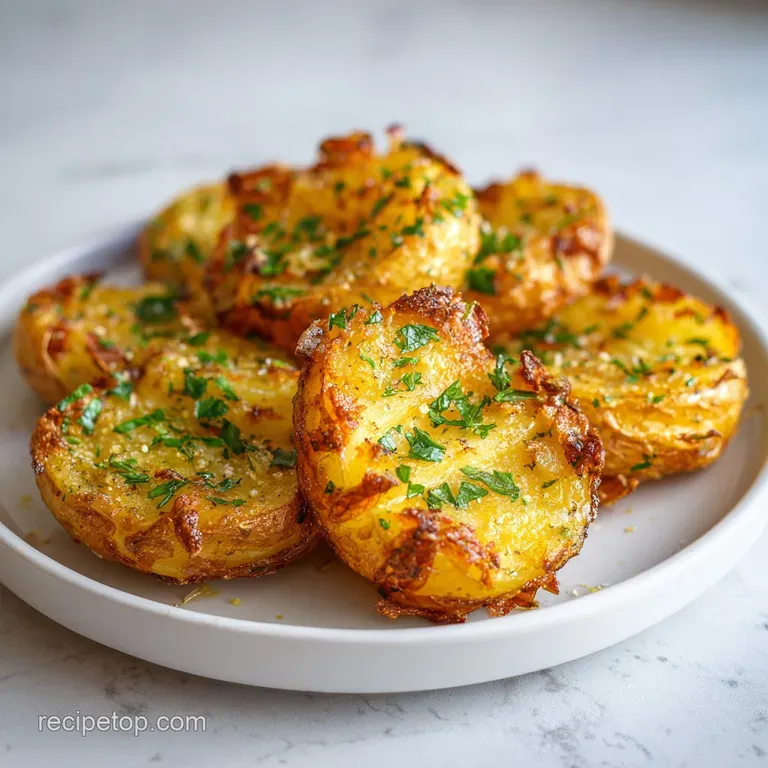
- Flavor/Texture Hook: A shatter crisp golden exterior with a velvety, mashed potato-like center.
- Perfect for: A weeknight dinner side or a holiday meal where you need a reliable crowd pleaser.
- Making the Best Crispy Baked Garlic Butter Potato
- What Actually Makes the Exterior Shatter
- Key Details for Your Cooking Session
- The Essential Elements for Maximum Flavor
- Necessary Gear for a Golden Crust
- From Prep to Plate: Simple Steps
- Fixing Common Roasting Problems with Ease
- Adjusting Quantities for Small or Large Groups
- Modifying the Recipe for Specific Needs
- Storing and Repurposing Your Leftovers
- Best Pairings for a Complete Meal
- Recipe FAQs
- 📝 Recipe Card
Making the Best Crispy Baked Garlic Butter Potato
You know that sound when you scrape a fork across something seriously crunchy? That high pitched, jagged scrape? That is exactly what happens when you pull these out of the oven. I first made these for a casual Sunday dinner, and my brother in-law actually asked if I had bought a deep fryer.
He couldn't believe they were just oven-roasted. The secret isn't more oil, it is actually a little bit of chemistry involving a pantry staple you probably have right next to the flour.
Discover our single, show stopping recipe for Crispy Baked Garlic Butter Potatoes with Fresh Herbs and a Perfect Golden Crust. This method is the one I use when I want everyone to stop talking and just eat. It is efficient, family friendly, and honestly, it is the only way I'll roast potatoes now.
We've all had those soggy, limp "roasted" potatoes that just feel like sad, warm sponges. This recipe fixes that once and for all by focusing on the surface area and the way the starch reacts to heat.
Right then, let's get into why this works so well. We are going to use Yukon Gold potatoes because they have that buttery, velvety interior, but the real magic is the parboiling step. If you've been putting raw potatoes straight onto a tray, you've been missing out.
We're going to boil them first with a bit of baking soda to break down the outside. It feels counterintuitive to boil them until they look a bit messy, but trust me on this. That mess turns into the best crunch you have ever tasted.
What Actually Makes the Exterior Shatter
The secret to this Crispy Baked Garlic Butter Potato isn't just the heat of the oven, it's the pH level of your water. When we add baking soda to the boiling pot, we create an alkaline environment. This causes the pectin on the outside of the potato to break down much faster than it usually would.
- Alkaline Breakdown: The baking soda weakens the potato's exterior pectin, creating a thick layer of starchy "slurry" on the surface.
- Starch Gelatinization: As the potatoes parboil, the surface starches absorb water and swell, forming a gel that eventually bakes into a hard crust.
- Surface Area Maximization: Shaking the drained potatoes creates jagged edges and "fuzz" that increase the surface area for the oil to grab onto.
- Evaporative Cooling: Letting the steam escape for 2 minutes before roasting ensures the surface is dry, which prevents steaming in the oven.
| Method | Time | Texture | Best For |
|---|---|---|---|
| Traditional Roasting | 45 minutes | Soft with slight skin snap | Quick weeknight meals |
| Parboiled (Our Way) | 65 minutes | Shatter crisp and glass like | Weekend feasts and foodies |
| air-fried | 25 minutes | Crispy but often drier inside | Small batches for two |
Using the parboil method ensures that the inside is fully cooked and creamy before the outside even starts to brown. This prevents the common problem of having a burnt exterior and a raw, crunchy middle. If you are looking for a different flavor profile but the same crunch, you might enjoy my Delish Ranch Roasted Potatoes recipe which uses a similar over high heat technique.
| Ingredient | Science Role | Pro Secret |
|---|---|---|
| Baking Soda | Raises pH level | Only 1/2 tsp is needed to dissolve the pectin. |
| Butter/Oil Mix | Flavor and heat transfer | Butter provides flavor while oil raises the smoke point. |
| Yukon Golds | High starch content | Their waxiness keeps the center from falling apart. |
Key Details for Your Cooking Session
When you're planning your meal, keep these specs in mind. This recipe is designed for a standard 13x18 inch rimmed baking sheet (also known as a half sheet pan). If you try to crowd 3 lbs of potatoes onto a smaller pan, they won't get that golden color. They will just steam and stay soft.
- Internal Temperature: You don't need a thermometer, but the potatoes are done when they are deep mahogany and the edges feel like hard plastic when tapped with a spatula.
- Resting Time: Give them 2 to 3 minutes on the pan after they come out. This allows the internal steam to settle so the crust doesn't soften immediately.
- Potato Size: 1.5 inch chunks are the "Goldilocks" size. Too small and they vanish; too large and the center to crust ratio is off.
Chef's Tip: Freeze your butter for 10 minutes before melting it with the oil. This helps separate the milk solids slightly, which can lead to even crispier bits on the pan.
The Essential Elements for Maximum Flavor
For this Baked Garlic Butter Potato with Fresh Herbs and a Perfect Golden Crust, we are keeping the ingredients simple but high-quality. I always use Kosher salt because the larger grains make it harder to over salt the water while still providing great coverage.
- 3 lbs Yukon Gold potatoes: Peeled and cut into 1.5 inch chunks. Why this? They hold their shape while providing a creamy, yellow center.
- 1 tbsp Kosher salt: For the boiling water. Why this? It seasons the potato from the inside out during the parboil.
- 1/2 tsp Baking soda: Added to the water. Why this? It breaks down the exterior starch for maximum crunch.
- 4 tbsp unsalted butter: Melted. Why this? Provides that classic rich, nutty flavor we all love.
- 3 tbsp extra virgin olive oil: Mixed with butter. Why this? Prevents the butter from burning at high oven temperatures.
- 6 cloves garlic: Minced. Why this? Adds a punch of savory aroma that penetrates the crust.
- 2 tbsp fresh rosemary: Finely chopped. Why this? Rosemary oils are stable at high heat and smell incredible.
- 2 tbsp fresh thyme leaves: Stripped from the stem. Why this? Adds a subtle earthy note that balances the garlic.
- 1/2 tsp black pepper: Freshly cracked. Why this? Pre ground pepper loses its bite; fresh adds a necessary kick.
- 2 tbsp fresh Italian parsley: Minced. Why this? Provides a bright, fresh finish to cut through the richness.
- 1/4 cup Parmesan cheese: Freshly grated. Why this? Adds a salty, umami kick and extra texture at the end.
| Original Ingredient | Substitute | Why It Works |
|---|---|---|
| Yukon Gold Potatoes | Russet Potatoes | High starch makes them even crunchier, though the center is fluffier. |
| Fresh Rosemary | Dried Rosemary | Use only 2 tsp. Note: Crush it between your fingers to release the oils. |
| Kosher Salt | Fine Sea Salt | Use 25% less volume as fine salt is denser than Kosher. |
Necessary Gear for a Golden Crust
You don't need a professional kitchen, but a heavy duty rimmed baking sheet is non negotiable. Thin pans warp under the 450°F heat, which causes the oil to pool in the corners. A heavy pan ensures even heat distribution so every potato gets a turn at the sizzle.
I also recommend a large colander. When you drain the potatoes, you want them to sit for a minute or two. A good colander allows air to circulate around the potatoes, which helps that excess moisture evaporate.
If you leave them in the hot pot with the lid on, they will just keep cooking in their own steam and turn into mush.
Finally,, a small saucepan for the garlic herb infusion is better than the microwave. Heating the aromatics on the stove allows the oils in the rosemary and thyme to actually bloom into the fat, which results in a much more fragrant Garlic Butter Potato with Fresh Herbs and a Perfect Golden Crust.
From Prep to Plate: Simple Steps
- Peel and cut potatoes into 1 inch to 1.5 inch chunks. Place in a large pot and cover with cold water by at least an inch.
- Add 1 tablespoon of kosher salt and 1/2 teaspoon of baking soda to the water. Bring to a boil, then reduce to a simmer and cook for 8-10 minutes until a knife meets slight resistance.
- Drain the potatoes in a colander and let them sit for 2 minutes until the surface looks matte and dry. Note: This step is vital for removing surface moisture.
- Transfer potatoes back into the pot and shake vigorously for 30 seconds until the edges look fuzzy and starchy.
- In a small saucepan, combine butter, olive oil, garlic, rosemary, thyme, and black pepper. Heat over medium low until the garlic is fragrant and bubbling slightly.
- Toss the roughened potatoes with the garlic herb infusion until every chunk is coated in a thick, pasty film.
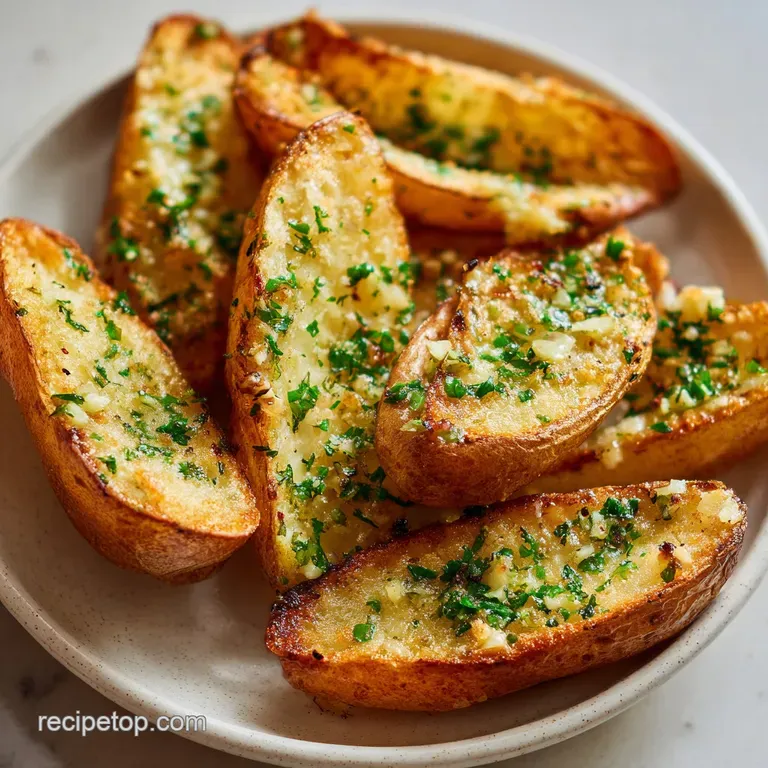
- Spread potatoes onto a preheated heavy duty rimmed baking sheet. Roast at 450°F (230°C) for 45-50 minutes, turning every 15 minutes, until deep golden brown and crackling.
- Remove from oven and toss with fresh parsley, flaky sea salt, and grated Parmesan cheese until the cheese begins to melt slightly.
Chef's Tip: Don't wash the pot you used for shaking the potatoes until after you've tossed them in the herb oil. The "potato dust" left in the pot helps thicken the oil and creates more crunchy bits.
Fixing Common Roasting Problems with Ease
The most common issue I hear about is the garlic burning. If your oven has hot spots, those tiny bits of minced garlic can turn bitter and black. If you're worried about this, you can actually strain the garlic out of the oil before tossing the potatoes, then add the fried garlic bits back in during the last 5 minutes of roasting.
Why Your Potatoes Are Soft
If your potatoes come out soft, it’s almost always due to overcrowding or not enough heat. When potatoes are too close together, the steam they release has nowhere to go, so it just softens the neighbor. Ensure there is at least a half inch of space between each chunk.
| Problem | Root Cause | Solution |
|---|---|---|
| Potatoes sticking | Pan wasn't preheated | Put the baking sheet in the oven while it preheats. |
| Bitter taste | Burnt garlic | Add garlic in the last 20 minutes instead of the start. |
| Grey/Dull color | Not enough fat | Ensure all potatoes have a visible sheen of butter/oil. |
Common Mistakes Checklist
- ✓ Never skip the baking soda; it is the primary driver of the crunch.
- ✓ Ensure the water is cold when you start; it helps the potatoes cook evenly.
- ✓ Don't be gentle when shaking the pot; you want those mashed potato edges.
- ✓ Preheat your baking sheet for 10 minutes before adding the potatoes.
- ✓ Let the potatoes air dry in the colander for the full 2 minutes.
Adjusting Quantities for Small or Large Groups
Scaling this recipe is fairly straightforward because potatoes are forgiving. However, the limitation is always your oven space. If you are doubling the recipe for a big family dinner, you must use two separate baking sheets.
For a half batch (1.5 lbs), you can use a smaller 9x13 pan, but keep the oven temperature the same. The cook time might drop by about 5 to 10 minutes because there is less thermal mass in the oven.
For a double batch (6 lbs), remember that your oven temperature will drop significantly when you put two cold trays in. You might need to add 10 minutes to the total roasting time to compensate for that initial heat loss.
When doubling the spices and herbs, I usually only go to 1.5x the amount of salt. It's very easy to over salt a large batch of potatoes, and you can always add more flaky sea salt at the very end.
Modifying the Recipe for Specific Needs
If you have dietary restrictions, you don't have to miss out on this Garlic Butter Potato with Fresh Herbs and a Perfect Golden Crust. It is naturally gluten-free, which is a huge win for family gatherings.
For a vegan version, swap the butter for a high-quality vegan butter substitute or just use more olive oil. If you go the all oil route, add a teaspoon of nutritional yeast to the herb mix to mimic that savory, buttery depth.
For a lower fat version, you can reduce the oil to 2 tablespoons, but be aware that the "shatter" crunch will be less pronounced.
If you are looking for a shortcut, you can use pre peeled canned potatoes, but honestly, the texture will never be the same. The fresh Yukon Gold is what provides that velvety center that makes the crispy outside worth it.
Storing and Repurposing Your Leftovers
Leftover potatoes are a rare sight in my house, but they do happen. Store them in an airtight container in the fridge for up to 4 days. Whatever you do, do not use the microwave to reheat them. It will turn that beautiful crust into a rubbery, chewy mess.
- Reheating: The best way is in a 400°F oven for about 10 minutes or in an air fryer for 5 minutes. This brings back about 80% of the original crunch.
- Freezing: You can freeze these for up to 2 months. Reheat them directly from frozen at 425°F for 15-20 minutes.
- Zero Waste: If you have small scraps or skins, don't toss them! Toss the skins in a little oil and salt and bake them until crispy for "potato skin chips." Leftover roasted chunks are also incredible when smashed and fried in a pan for breakfast hash the next morning.
Best Pairings for a Complete Meal
These potatoes are the ultimate wingman for a heavy protein. Because they are so rich and garlicky, they need something with a bit of acidity or a deep savory crust to stand up to them. I personally love serving these alongside a Garlic Butter Steak for a full steakhouse experience at home.
The rosemary and thyme in this Fresh Herbs and Perfect Golden Crust recipe also make it a natural fit for roast chicken or lamb. If you want a vegetable side that isn't too heavy, a bright green salad with a lemon vinaigrette helps cut through the butter.
There is a common myth that you should soak potatoes in cold water for hours to remove starch. While that helps for French fries, it actually works against us here. We want that surface starch to stay so it can turn into that "fuzz" in the pot. Another myth is that you can't use butter at high heat.
By mixing it with olive oil, we raise the smoke point just enough to get the flavor without the soot. Trust the process, keep your pan hot, and you'll have the best side dish you've made all year.

Recipe FAQs
How to achieve the ultimate crispy exterior on these potatoes?
Add 1/2 teaspoon of baking soda to the boiling water. This raises the pH level, breaking down the potato pectin and creating a starchy, rough surface that crisps significantly better in the oven.
Why is it necessary to shake the potatoes after boiling?
Shaking creates mashed potato edges that transform into glass like crusts. If you enjoyed mastering this technique for surface texture, you can apply similar logic to achieve a perfect crust on our Stuffed Pepper Casserole.
How to prevent the garlic from burning during the roasting process?
Incorporate the minced garlic into the butter and olive oil infusion first. By coating the potatoes in this aromatic fat, the garlic is protected during the 45-50 minute roast at 450°F, preventing it from charring prematurely.
Is it true I should skip preheating the baking sheet to save time?
No, this is a common misconception. Preheating your baking sheet for 10 minutes ensures the bottom of the potato begins searing the instant it hits the metal, which is vital for achieving an all-around golden crunch.
How to reheat leftovers without losing the crunch?
Avoid the microwave at all costs. Reheat them in a 400°F oven for 10 minutes or use an air fryer for 5 minutes to restore the majority of the original texture.
Can I prepare these potatoes ahead of time?
Yes, you can freeze them for up to 2 months. Simply store the roasted potatoes in an airtight container and reheat them directly from frozen at 450°F for 15-20 minutes.
How to ensure the potatoes cook evenly during the boiling stage?
Start with cold water in the pot. Placing potatoes into boiling water cooks the exterior too quickly while leaving the center raw; starting cold ensures they cook at the same rate from the inside out.
Crispy Baked Garlic Butter Potato
Ingredients:
Instructions:
Nutrition Facts:
| Calories | 392 kcal |
|---|---|
| Protein | 7.2 g |
| Fat | 19.8 g |
| Carbs | 49.2 g |
| Fiber | 5.4 g |
| Sugar | 2.1 g |
| Sodium | 780 mg |
