Creamy Horseradish Sauce: Bold and Balanced
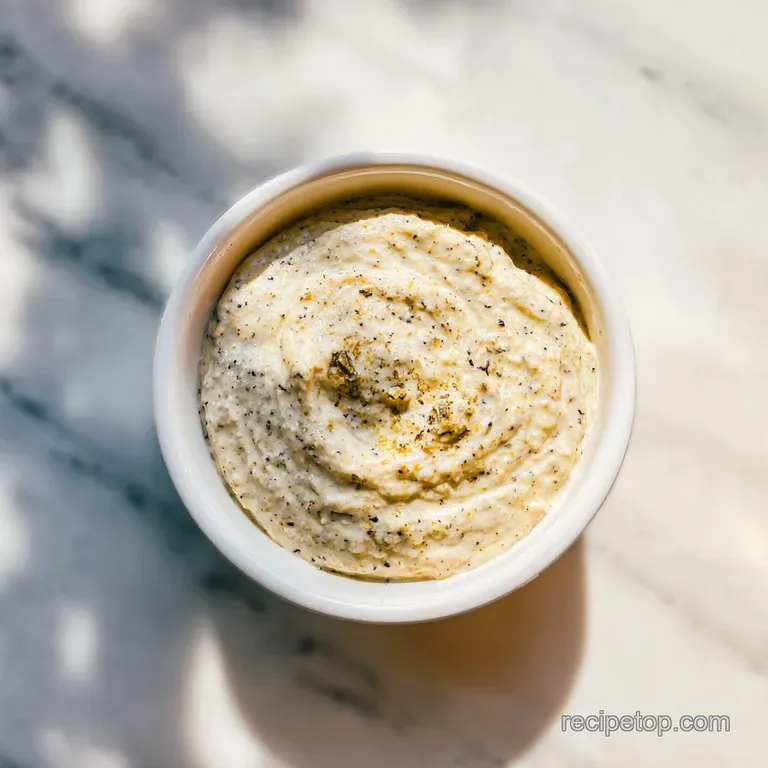
- Time: Active 10 minutes, Passive 30 minutes, Total 40 minutes
- Flavor/Texture Hook: Sharp, pungent kick with a velvety, thick finish
- Perfect for: Holiday prime rib, weeknight steak sandwiches, or dipping roasted potatoes
- Winning with This creamy horseradish sauce recipe
- Why Cold Resting Builds Heat
- Essential Specs for a Successful Experience
- Selecting Your Elements Carefully
- Simple Tools for Hassle Free Prep
- Systematic and Easy Mixing Steps
- Fixing Common Texture Flaws
- Creative Flavor Variations to Try
- Practical Preservation and Storage Secrets
- Perfect Pairing Ideas for Meals
- Kitchen Myths Debunked
- Common Questions About Homemade Horseradish Sauce
- Troubleshooting Common Issues
- Recipe FAQs
- 📝 Recipe Card
Winning with This creamy horseradish sauce recipe
We've all been there. You spend hours, maybe even days, prepping a beautiful roast beef or a stack of prime rib sliders, only to have the whole thing dampened by a "sauce" that has the consistency of skim milk. I remember one specific Christmas dinner where I tried to get fancy with a fresh root.
I didn't drain it, I didn't balance the fats, and by the time the plate reached the table, my beautiful medium rare beef was swimming in a puddle of white liquid. It was a mess, and honestly, it was frustrating because the flavor was there, but the texture was a disaster.
This specific creamy horseradish sauce recipe is my direct response to that watery failure. It isn't just about mixing things in a bowl; it is about managing moisture and stabilizing the emulsion so the sauce clings to the meat.
We want that sharp, sinus clearing heat that horseradish is famous for, but we want it wrapped in a luxurious, thick cream that doesn't budge. If you have ever felt like your homemade sauces just don't have that "steakhouse" body, this is the fix you've been looking for.
Trust me on this: the secret isn't in adding more ingredients. It’s in the preparation of the ones you already have. By focusing on a few small, efficient steps, you can turn a basic condiment into the highlight of the meal.
We are going to use minimal tools and a very reliable method that works every single time, whether you are a seasoned pro or just trying to get through a Tuesday night dinner without a kitchen catastrophe. Let's get into why this method actually works.
Why Cold Resting Builds Heat
Understanding why this sauce behaves the way it does makes you a better cook without needing a degree. It's all about how the heat is released and how the fats hold it together.
- Enzymatic Activation: When horseradish is grated, an enzyme called myrosinase creates the "heat" we feel in our nose. This reaction needs a little time to reach its peak, which is why the 30 minutes rest is non negotiable.
- Moisture Management: Straining the prepared horseradish removes excess brine that would otherwise break the emulsion of the mayo and sour cream. This keeps the sauce from separating on the plate.
- Fat Stabilization: The combination of sour cream and mayonnaise provides two different types of fat molecules. Together, they create a structure that is thick enough to hold "soft peaks" like whipped cream.
- Acidity Balance: The apple cider vinegar and lemon juice act as "brighteners." They don't just add tang; they actually help set the proteins in the dairy, making the sauce feel even thicker on the tongue.
| Method | Total Time | Texture | Best For |
|---|---|---|---|
| The Fast Fix | 10 minutes | Thin/Runny | Quick sandwiches or wraps |
| The Classic Rest | 40 minutes | Thick/Velvety | Prime rib and formal dinners |
| The Overnight | 12 hours | Intense/Bold | Large parties and catering |
The difference between a "good" sauce and a "restaurant quality" one often comes down to that resting period. If you taste it immediately, it might feel a bit flat or overly acidic. But after 30 minutes in the fridge, those volatile heat compounds stabilize, and the dairy rounds out the sharp edges.
Essential Specs for a Successful Experience
| Component | Science Role | Pro Secret |
|---|---|---|
| Sour Cream | Primary base and acid | Use full fat only. The higher fat content prevents the sauce from becoming "weepy" as it sits. |
| Horseradish | Pungent heat source | Always strain through a fine mesh. The brine in the jar is mostly vinegar and water, which thins the sauce. |
| Mayonnaise | Emulsion stabilizer | Mayo adds a silky mouthfeel that sour cream alone lacks. It helps the sauce "stick" to the beef fibers. |
| Dijon Mustard | Emulsifier and depth | Whole grain Dijon provides tiny bursts of texture and helps bridge the gap between the dairy and the root. |
When you are looking for that classic steakhouse feel, the ratio of sour cream to mayo is the golden ticket. If you use too much mayo, the sauce feels heavy and greasy. If you use too much sour cream, it can be too tangy and thin. This 2:1 ratio is the sweet spot I've found after many dinner parties.
Selecting Your Elements Carefully
Finding the right ingredients for a creamy horseradish sauce recipe doesn't require a trip to a specialty market. You probably have most of this in your fridge right now, but a few specific choices will make a massive difference. For instance, when I'm making this for a big family meal, I often think about how similar the base is to other comfort foods, like the creamy foundation of a Broccoli Casserole recipe. Both rely on high-quality dairy to carry the other flavors.
- 1/2 cup (120g) full fat sour cream: This provides the body. Don't even bother with the low-fat version; it contains stabilizers and thickeners that can give the sauce a strange, "gummy" texture.
- 1/4 cup (60g) high-quality mayonnaise: Choose a brand you actually like the taste of. It adds a necessary richness and keeps the sauce smooth.
- 1 tbsp (15g) whole grain Dijon mustard: The little seeds look beautiful and add a sophisticated back note of spice.
- 1/2 cup (120g) prepared horseradish: Look for "extra hot" if you want a real kick. Ensure it is "prepared" (in a jar with vinegar) and not "horseradish sauce" (which is already diluted). Why this? Prepared horseradish provides the purest flavor without the work of grating fresh root.
- 1 tsp (5ml) apple cider vinegar: This adds a fruity acidity that cuts through the fat.
- 1/2 tsp (2.5ml) freshly squeezed lemon juice: The citrus oil in the juice provides a fresh aroma that wakes up the whole dish.
- 1/2 tsp (3g) fine sea salt: Essential for making the other flavors pop.
- 1/4 tsp (1g) freshly cracked white pepper: I use white pepper specifically so the sauce stays snowy white without black flecks.
- 2 tbsp (8g) fresh chives: These should be snipped very finely for a subtle oniony finish.
Simple Tools for Hassle Free Prep
You don't need a stand mixer or a food processor for this. In fact, doing it by hand is better because you have more control over the texture.
- Fine mesh strainer: This is the most important tool. You need to get the liquid out of the horseradish. If you don't have one, you can use a clean tea towel to squeeze the root dry.
- Non reactive mixing bowl: Glass or stainless steel is best. Horseradish is acidic, and it can react with aluminum bowls, giving the sauce a metallic taste.
- Whisk and Silicone Spatula: Use the whisk for the base to get it smooth, then switch to the spatula to fold in the horseradish and chives.
- Glass Storage Jar: A small mason jar is perfect. Glass doesn't hold onto the pungent smell of the horseradish like plastic containers do.
Systematic and Easy Mixing Steps
- Drain the horseradish. Place the 1/2 cup (120g) of prepared horseradish into your fine mesh strainer. Note: Press lightly with the back of a spoon; you want it damp, not bone dry, but you definitely want the "puddle" gone.
- Combine the creamy base. In your glass bowl, whisk the 1/2 cup (120g) sour cream, 1/4 cup (60g) mayo, and 1 tbsp (15g) whole grain Dijon. Note: Whisk until the mixture is silky and free of lumps.
- Incorporate the acidity. Add the 1 tsp (5ml) apple cider vinegar and 1/2 tsp (2.5ml) lemon juice. Note: You will see the base thicken slightly as the acid reacts with the cream.
- Fold in the kick. Gently add the drained horseradish to the bowl. Note: Use a folding motion until the mixture holds a soft peak when you lift the spatula.
- Season the sauce. Stir in the 1/2 tsp (3g) salt and 1/4 tsp (1g) white pepper.
- Add the herbs. Gently mix in the 2 tbsp (8g) of finely snipped chives. Note: Save a tiny pinch for garnish if you're feeling fancy.
- Chill for stabilization. Transfer the sauce to a glass jar and seal it tight.
- Wait for the magic. Refrigerate for 30 minutes until the sauce feels firm and the flavors have melded. This is where the "heat" really finds its balance.
Fixing Common Texture Flaws
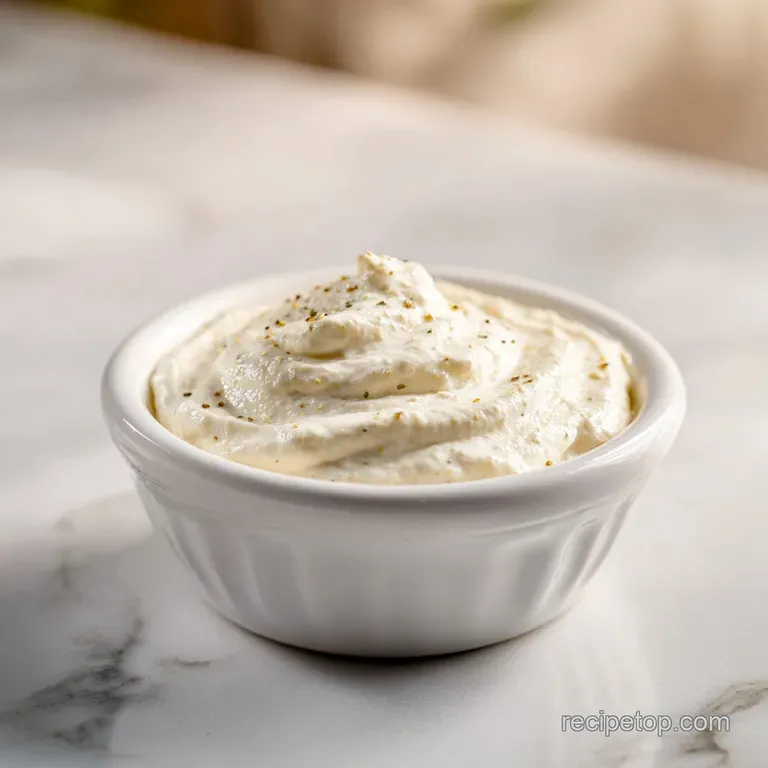
Sometimes, even with the best intentions, things go sideways. Maybe your horseradish was extra juicy, or your sour cream wasn't as thick as usual. If you find yourself enjoying spicy dishes and want to branch out, you might notice that balancing heat is a common theme, similar to making Cheesy Chicken Enchiladas, where the sauce needs to be just the right thickness to coat everything.
The Sauce Is Too Runny
This usually happens because the horseradish wasn't drained well enough or the sour cream was "light" instead of full fat. To fix this, don't just add more mayo (which can make it greasy).
Instead, whisk in an extra tablespoon of sour cream or, in an emergency, a teaspoon of heavy cream and let it sit for another 15 minutes. The proteins will help it set.
The Heat Is Overpowering
Horseradish can be unpredictable. One jar is mild, the next feels like a lightning bolt. If it’s too hot, the solution is more fat. Add an extra dollop of sour cream or a splash of heavy cream. The fat molecules coat your tongue and dampen the intensity of the heat compounds.
| Problem | Root Cause | Solution |
|---|---|---|
| Separation | Temperature shock | Whisk vigorously by hand for 30 seconds to re emulsify the fats. |
| Bland Flavor | Lack of acidity | Add an extra 1/4 tsp of lemon juice or a pinch more salt to brighten it. |
| Grainy Texture | Dried out root | Fold in 1 tsp of room temperature water to rehydrate the horseradish fibers. |
Common Mistakes Checklist:
- ✓ Always use a glass bowl to avoid a metallic aftertaste.
- ✓ Never skip the straining step; liquid is the enemy of a thick sauce.
- ✓ Use white pepper if you want a clean, professional "steakhouse" look.
- ✓ Don't over mix once the horseradish is in; you want to keep that "fluffy" body.
- ✓ Let it rest for at least 30 minutes - the flavor changes significantly as it chills.
Creative Flavor Variations to Try
If you want to move beyond the classic version, this recipe is a fantastic blank canvas. You can easily tweak the profile to match whatever you are serving.
- For a Steakhouse Peppercorn Twist: Swap the white pepper for 1/2 tsp of coarse ground black pepper and add a dash of Worcestershire sauce. It gives it a rugged, pub style feel that is incredible on a ribeye.
- For a Smoked Pub Style Dip: Add 1/4 tsp of smoked paprika and a drop of liquid smoke. This version is a game changer when served as a dip for crispy fries or onion rings.
- For a Healthy Greek Yogurt Swap: You can replace the sour cream with an equal amount (120g) of thick Greek yogurt. Note: This will be much tangier and slightly less rich, so you might want to skip the lemon juice.
If you want X, do Y: If you want Maximum Heat, use freshly grated horseradish root instead of prepared. If you want Extra Creaminess, whisk 2 tablespoons of heavy cream into the base before adding the horseradish.
If you want Herbaceous Notes, add a teaspoon of fresh tarragon along with the chives.
Practical Preservation and Storage Secrets
Because this sauce relies on dairy and vinegar, it has a decent shelf life, but there are a few things to keep in mind to keep it tasting fresh.
Storage: Keep the sauce in an airtight glass jar in the back of the fridge (the coldest part). It will stay fresh for up to 5 days. After that, the dairy can start to lose its sweetness and the horseradish will lose its "punch."
Freezing: Honestly, don't do it. Dairy based sauces like this tend to break and become grainy once thawed. The texture will never be the same. Since it only takes 10 minutes to whip up, it’s better to make it fresh.
Zero Waste Tip: If you have a few tablespoons of sauce left over, don't toss them! Stir them into mashed potatoes, use it as a spread for a roast beef wrap, or whisk it with a little olive oil to make a creamy, pungent salad dressing for a steak salad.
You can even use it as a base for a deviled egg filling to give them a surprising kick.
Perfect Pairing Ideas for Meals
While prime rib is the obvious choice, this sauce is surprisingly versatile. It shouldn't be reserved just for the holidays.
The Classic Prime Rib Feast: Serve a generous dollop alongside a thick slice of slow roasted beef. The creaminess cuts right through the richness of the meat, while the heat refreshes your palate between bites. It’s a match made in heaven.
The Ultimate Steakhouse Sandwich: Take some leftover steak, pile it onto a toasted ciabatta roll with caramelized onions and a thick layer of this horseradish sauce. The way the sauce melts into the warm bread is something you have to experience.
Roasted Root Vegetables: Believe it or not, this sauce is amazing with roasted carrots or parsnips. The sweetness of the caramelized veggies is the perfect foil for the sharp, salty sauce. It turns a simple side dish into something that feels special.
Fish and Seafood: Try this with a piece of pan seared salmon. The acidity in the sauce mimics a traditional remoulade but with that extra horseradish "zing" that works so well with oily fish. It's a quick way to make a weeknight fish dinner feel like something from a bistro.
Chef's Tip: If you are serving this for a party, put the jar in a small bowl of ice on the buffet table. Keeping it cold ensures the texture stays thick and the dairy stays fresh for hours. Also, try adding a teaspoon of honey if you're serving it with pork - the sweet and heat combo is brilliant.
Kitchen Myths Debunked
One big myth is that fresh horseradish is always better than prepared. While fresh root is incredibly potent, it’s also inconsistent. Prepared horseradish is preserved in vinegar at its peak, giving you a more reliable flavor profile for a balanced sauce.
Another misconception is that more horseradish equals more heat. In reality, too much horseradish can make the sauce bitter and fibrous. The "heat" is actually better delivered when it is suspended in a fat rich base like we've made here.
Finally, searing meat doesn't "seal in juices," but this sauce definitely helps lock in the flavor by adding a layer of moisture and seasoning to every bite. Keep it simple, keep it cold, and you'll have the best sauce on the block.
Common Questions About Homemade Horseradish Sauce
Troubleshooting Common Issues
| Issue | Solution |
|---|---|
| Use fresh horseradish root instead of prepared | Yes, you can substitute 1/4 cup of finely grated fresh horseradish root for the 1/2 cup of prepared horseradish. Fresh root is much more concentrated, so you need less. Make sure to peel the root comp |
| Make the sauce thicker if it is too runny | If your sauce is thinner than you'd like, whisk in an extra 1-2 tablespoons of full fat sour cream. Avoid adding more mayonnaise, as this can make the sauce feel greasy. For an ultra thick consistency |
| What is the best way to control the spice level | The "heat" of horseradish is volatile and dissipates over time. If you want a milder sauce, mix the ingredients and let the sauce sit at room temperature for 15-20 minutes before refrigerating. The ai |
| Why does my sauce taste metallic or bitter | A metallic taste usually comes from using an aluminum bowl or whisk. Horseradish is highly acidic and reacts with certain metals. Always use glass, ceramic, or high-quality stainless steel. Bitterness |
| Make this recipe dairy-free or vegan | You can substitute the sour cream with a thick, plain almond or soy based yogurt and use a vegan mayonnaise. Be aware that plant based dairies often have a lower fat content and different proteins, so |
| How long does the "kick" last in the fridge | While the sauce is safe to eat for up to 5 days, the pungent "nose burn" of the horseradish will begin to fade after about 48 hours. If you are making this for a special event, it is best to prepare i |
Recipe FAQs
What is in creamy horseradish sauce?
This recipe uses a blend of full fat sour cream, high-quality mayonnaise, and whole grain Dijon mustard as the base. We incorporate prepared horseradish, apple cider vinegar, lemon juice, fine sea salt, white pepper, and snipped fresh chives to create the final flavor profile.
How do you make Bobby Flay horseradish cream sauce?
Whisk together the sour cream, mayonnaise, and Dijon mustard in a non-reactive bowl until perfectly smooth. Fold in your drained horseradish, apple cider vinegar, lemon juice, seasonings, and fresh chives, then refrigerate for 30 minutes to let the flavors stabilize.
How to make the perfect horseradish sauce?
Press the prepared horseradish in a fine mesh strainer before adding it to your base to ensure the sauce stays thick rather than watery. If you mastered the emulsification technique used here, you can apply that same whisking precision to maintain a stable, velvety consistency across other cold sauces.
Is horseradish good for gastritis?
No, this is a common misconception. Horseradish is a pungent, spicy root that can irritate the stomach lining and exacerbate symptoms of gastritis, so it is generally best to avoid it if you suffer from digestive issues.
Can I use fresh horseradish root instead of prepared?
Yes, you can substitute 1/4 cup of finely grated fresh horseradish root for the 1/2 cup of prepared horseradish. Fresh root is significantly more concentrated, so using half the amount ensures the heat remains balanced.
How to thicken the sauce if it turns out runny?
Whisk in an additional 1-2 tablespoons of full fat sour cream until you reach your desired consistency. Avoid adding extra mayonnaise, as this can introduce a greasy mouthfeel that detracts from the sauce's sharp profile.
How long should the sauce rest before serving?
Refrigerate the sauce in an airtight glass jar for 30 minutes before serving. This resting period is vital for allowing the volatile heat compounds to stabilize and ensuring the ingredients meld into a cohesive flavor.
Creamy Horseradish Sauce
Ingredients:
Instructions:
Nutrition Facts:
| Calories | 61 kcal |
|---|---|
| Protein | 0.5 g |
| Fat | 6.1 g |
| Carbs | 1.7 g |
| Fiber | 0.3 g |
| Sugar | 0.8 g |
| Sodium | 135 mg |
