Chicken Shrimp Carbonara Recipe
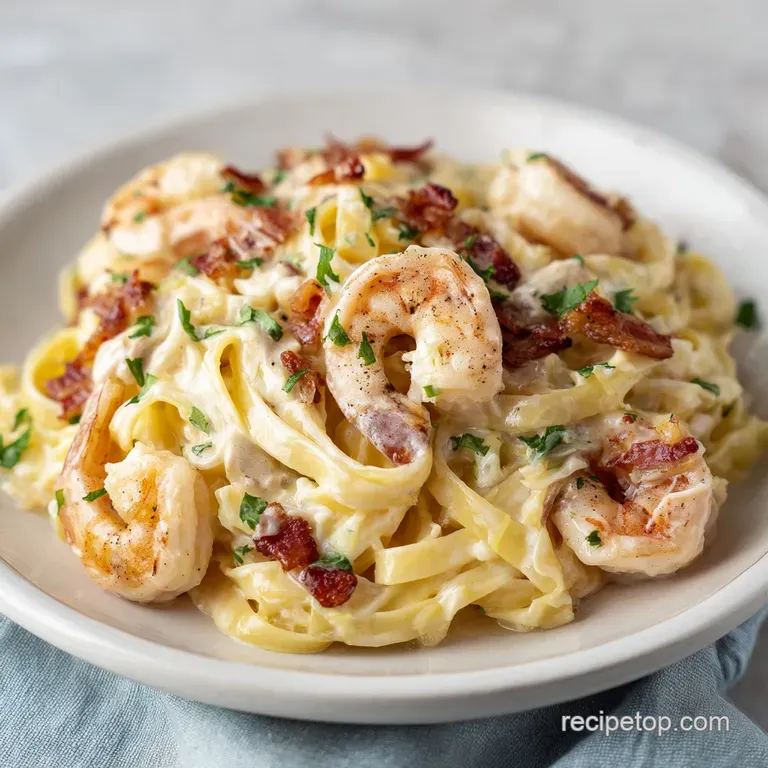
- Time: Active 20 mins, Passive 15 mins, Total 35 mins
- Flavor/Texture Hook: Velvety, salty, and savory with a satisfying snap from the shrimp.
- Perfect for: A comforting family weeknight dinner or an impressive but quick date night meal.
- Mastering This Creamy Chicken Shrimp Carbonara Recipe
- The Science Behind a Glossy Emulsion
- Selecting Quality Elements for Better Results
- Essential Kitchen Gear for Pasta Night
- From Prep to Plate in Minutes
- Troubleshooting for a Smooth Velvet Texture
- Smart Flavor Swaps and Dietary Variations
- Myths About Carbonara
- Keeping Leftovers Fresh and Reducing Waste
- Perfect Pairings to Round Out Dinner
- Critical in Sodium
- Recipe FAQs
- 📝 Recipe Card
Mastering This Creamy Chicken Shrimp Carbonara Recipe
The first time I tried to make a version of this at home, I ended up with a bowl of dry noodles and what looked like chopped hard boiled eggs. It was a disaster, honestly. I had the heat too high, I didn't use enough pasta water, and I completely missed the window where the magic happens.
But that's the beauty of the kitchen you fail, you learn, and eventually, you figure out that the secret isn't in a fancy gadget, but in the temperature of the pan.
Now, whenever I hear that sizzle of pancetta hitting the skillet, I feel a sense of calm because I know exactly what’s coming. The kitchen fills with that salty, cured aroma, and the family starts hovering around the stove.
This Chicken Shrimp Carbonara isn't just a meal; it's the result of many "oops" moments turned into a foolproof method that works every single time. We are going for that glossy, pourable sauce that clings to every strand of spaghetti without ever feeling heavy or greasy.
We’re taking the backbone of a classic Italian dish and adding a bit more protein to make it a true "one and done" dinner. You get the crunch of the pancetta, the bite of the chicken, and the sweetness of the shrimp all in one forkful.
Trust me, once you see how that egg mixture transforms into a silky ribbons of sauce, you’ll never go back to the jarred stuff again. Let's get into how we make this happen without the stress.
The Science Behind a Glossy Emulsion
The Physics of the Emulsion: Residual heat transforms raw eggs into a velvety coating by gently denaturing proteins without reaching the 160°F scrambling point.
The starchy pasta water acts as a stabilizer, binding the rendered pancetta fat to the liquid in the eggs for a cohesive sauce.
Protein Denaturation: Searing the chicken and shrimp separately prevents the pan temperature from dropping, ensuring the meat browns via the Maillard reaction rather than steaming in its own juices. This creates a complex, savory crust that provides a flavor contrast to the rich, creamy sauce.
Starch Gelatinization: As the pasta cooks, it releases amylose into the water, creating a cloudy liquid that serves as a natural thickener. Adding this liquid to the egg mixture prevents the proteins from clumping together, which is the secret to avoiding a grainy or "broken" sauce.
| Cooking Method | Prep Time | Resulting Texture | Best For |
|---|---|---|---|
| Traditional Stovetop | 15 mins | Silky, tight emulsion | Authentic flavor and texture |
| One Pan Prep | 10 mins | Slightly starchier sauce | Maximum convenience and easy cleanup |
| over High heat Sear | 12 mins | Deeply browned proteins | Added depth and smoky notes |
The choice of method really depends on how much you want to focus on the sear. While a one pan approach is faster, taking the extra few minutes to sear the chicken and shrimp individually ensures they don't get rubbery. Much like the technique used in my Halloumi Carbonara Recipe, the key is managing the heat so the cheese melts into the sauce rather than clumping onto the bottom of the pan.
Selecting Quality Elements for Better Results
| Component | Role in Dish | Pro Secret |
|---|---|---|
| Large Eggs | Emulsifier and base | Use room temperature eggs to prevent the sauce from cooling the pasta too quickly. |
| Pecorino Romano | Sharp saltiness | Grate it yourself on a microplane for a "snow" texture that melts instantly. |
| Starchy Pasta Water | Sauce "Glue" | Pull the water toward the end of the boiling time when the starch concentration is highest. |
| Pancetta | Fat and Umami | Render it slowly starting in a cold pan to extract the most fat for searing. |
Choosing the right ingredients is half the battle when making a chicken and shrimp carbonara. While it might be tempting to grab pre grated cheese, it often contains cellulose which prevents it from melting smoothly. Stick to the blocks of Pecorino and Parmesan.
The Proteins
- 1 lb chicken breast: Sliced into 1 inch strips. Why this? Lean protein that absorbs the salty pancetta fat during searing.
- Substitute: Chicken thighs for more moisture and a richer flavor profile.
- 0.5 lb large shrimp: Peeled, deveined, tails removed. Why this? Adds a snap and sweetness that balances the heavy cheese sauce.
- Substitute: Scallops for a more "special occasion" feel, though they cook faster.
- 4 oz pancetta: Diced. Why this? Provides the foundational fat and a smoky, cured depth of flavor.
- Substitute: Thick cut bacon. Note: Adds a smokier flavor than the traditional peppery pancetta.
The Carbonara Base
- 3 large eggs + 1 yolk: Why this? The extra yolk adds richness and a golden hue without making the sauce too watery.
- Substitute: 0.5 cup heavy cream (only if you are truly terrified of using raw eggs).
- 1 cup Pecorino Romano: Freshly grated. Why this? A sheep’s milk cheese that provides the signature sharp, salty bite.
- Substitute: All Parmesan if Pecorino is too pungent for your taste.
- 0.5 cup Parmesan cheese: Freshly grated. Why this? Adds a nutty complexity and rounds out the sharpness of the Pecorino.
- Substitute: Grana Padano for a similar texture at a slightly lower price point.
- 0.25 cup heavy cream: Why this? This is a "Copycat Olive Garden chicken and shrimp carbonara" trick for extra stability.
- Substitute: Full fat Greek yogurt (adds tang and may require more pasta water).
The Pasta & Aromatics
- 1 lb spaghetti: Why this? The classic shape that provides maximum surface area for the sauce to cling to.
- Substitute: Bucatini for a thicker, hollow noodle that holds sauce inside.
- 3 cloves garlic: Minced. Why this? Enhances the savory notes of the chicken and shrimp.
- Substitute: 1 tsp garlic powder if you're in a massive rush.
- 1 tsp black pepper: Freshly cracked. Why this? "Carbonara" translates to "charcoal maker," referring to the heavy use of pepper.
- Substitute: White pepper for a more subtle heat that doesn't show black flecks.
- 2 tbsp fresh parsley: Chopped. Why this? Adds a necessary pop of freshness to cut through the heavy fats.
- Substitute: Fresh basil for a more aromatic, peppery finish.
Essential Kitchen Gear for Pasta Night
You don't need a high end kitchen to pull this off, but two specific tools make a world of difference. First, a large heavy bottomed skillet (like a Lodge cast iron or a heavy stainless steel pan) is crucial. It holds heat evenly, which is what gives the chicken that beautiful golden crust.
Second, use a microplane grater for your cheese. When the cheese is grated into fine, airy wisps, it dissolves into the egg mixture almost instantly, preventing that dreaded grittiness.
Chef's Tip: Freeze your pancetta for about 10 minutes before dicing. It firms up the fat, allowing you to get perfectly uniform cubes that render evenly rather than turning into a mushy mess.
Another trick I've learned is to use a heat proof glass or metal bowl for mixing your eggs and cheese. When it comes time to combine everything, you can actually set this bowl over the boiling pasta water for 30 seconds (like a double boiler) to gently pre warm the mixture.
This lessens the "temperature shock" when the eggs hit the hot pasta, making for a much smoother Chicken Shrimp Carbonara.
From Prep to Plate in Minutes
The flow of this recipe is everything. You want your proteins ready just as the pasta finishes, so you aren't left with cold noodles or overcooked shrimp. I like to call this the "3 Step Flow": Prep the sauce, Sear the proteins, and Temper the eggs.
If you follow this timeline, you'll avoid the frantic scramble that usually leads to mistakes.
1. The Golden Sear
Set a large skillet over medium high heat and add the diced pancetta. Cook until the fat has rendered and the bits are crispy and golden, about 5-7 minutes. Use a slotted spoon to remove the pancetta, leaving the liquid gold (the fat) in the pan.
2. The Pasta Foundation
While the fat renders, bring a large pot of salted water to a boil. Drop your 1 lb of spaghetti. Cook until just shy of al dente, usually about 2 minutes less than the package directions. Note: The pasta will finish cooking in the sauce later.
3. Achieving the Golden Sear
Season your 1 lb of chicken strips with a pinch of salt and pepper. Place them in the skillet with the pancetta fat. Sear for 4 minutes per side until golden brown and cooked through. Remove the chicken and set it aside with the pancetta.
4. Searing the Seafood
Add the 0.5 lb of shrimp to the same pan. Cook for 1-2 minutes per side until they turn opaque and form a pink "C" shape. Toss in the 3 cloves of minced garlic during the last 30 seconds so it becomes fragrant without burning. Remove the shrimp and garlic from the pan.
5. Building the Carbonara Base
In a medium bowl, whisk together the 3 eggs, 1 egg yolk, 1 cup Pecorino, 0.5 cup Parmesan, 0.25 cup heavy cream, and 1 tsp cracked black pepper. Whisk until the mixture forms a thick, uniform paste. This is your flavor engine.
6. The Marriage of Ingredients
Just before draining the pasta, reserve 1 cup of the starchy water. Drain the spaghetti and immediately add it to the skillet (which should be turned OFF now). The residual heat of the pan is all you need from here on out.
7. The Final Emulsification Toss
Add the chicken, shrimp, and pancetta back into the skillet with the pasta. Pour the egg and cheese mixture over the noodles. Using tongs, toss constantly while slowly drizzling in 0.5 cup of pasta water.
8. The Texture Check
Continue tossing for 1-2 minutes. Watch as the liquid transforms into a velvety, glossy coating that clings to the spaghetti. If it looks too thick or dry, add a splash more pasta water until it reaches your desired consistency. Garnish with the 2 tbsp of parsley and serve immediately.
Troubleshooting for a Smooth Velvet Texture
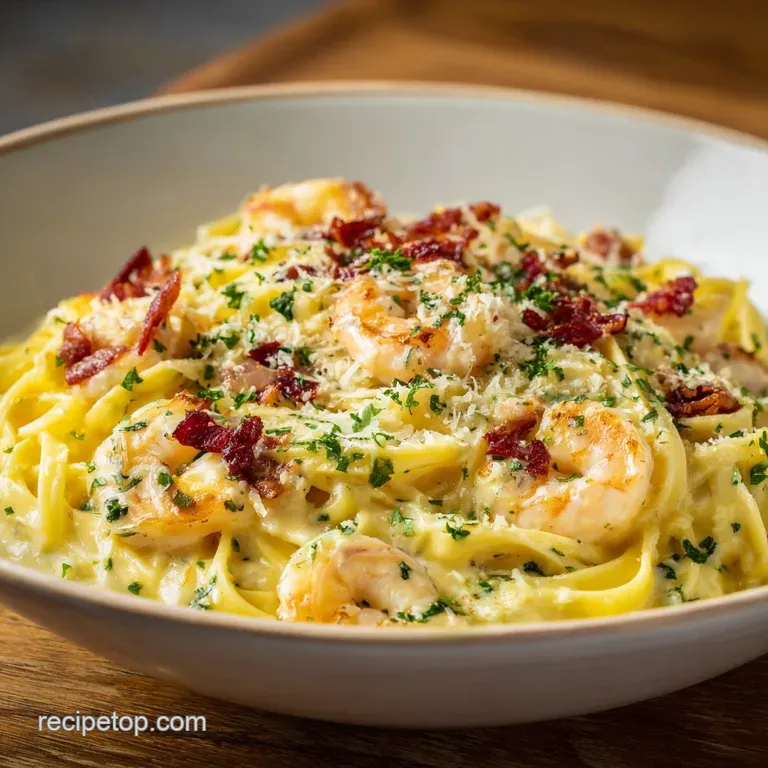
One of the biggest hurdles with this dish is the temperature. If the pan is too hot, the eggs scramble. If it's too cold, the cheese won't melt, and you’ll have a watery mess. It’s all about that middle ground.
If you find your sauce is "breaking" (the fat is separating from the liquid), a vigorous toss with an extra splash of hot pasta water can often save it by re emulsifying the fats.
Why Your Sauce Scrambled
This usually happens because the pan was still over active heat when the eggs were added. Always pull the pan off the burner or turn the flame completely off before adding the egg mixture. The heat from the pasta itself is actually enough to cook the eggs safely to a creamy consistency.
Why Your Sauce is Gritty
Grittiness is almost always caused by the cheese. If you use pre shredded cheese or if the cheese was too cold, it won't melt properly. To avoid this, make sure your cheese is finely grated and at room temperature before you whisk it into the eggs.
| Problem | Root Cause | Solution |
|---|---|---|
| Clumpy Cheese | Adding cheese to a pan that is too hot | Mix cheese with eggs first to create a protective buffer before adding to heat. |
| Dry Pasta | Not enough reserved pasta water | Add water 2 tablespoons at a time while tossing until the sauce looks "slippery." |
| Tough Shrimp | Overcooking during the initial sear | Remove shrimp the moment they turn pink; they will warm through in the final toss. |
Common Mistakes Checklist
- ✓ Don't skip the pasta water: It’s the most important ingredient for the sauce texture.
- ✓ Avoid high heat at the end: The stove should be OFF when the eggs go in.
- ✓ Grate your own cheese: Pre packaged shreds will never give you that velvety finish.
- ✓ Don't over salt the chicken: The pancetta and cheese are already very salty, so be conservative.
- ✓ Work fast: Carbonara waits for no one; it's best eaten within minutes of being tossed.
Smart Flavor Swaps and Dietary Variations
If you are looking to save a little time, you can prep the chicken and shrimp a day in advance. Just sear them off and keep them in the fridge. When you're ready to eat, toss them into the pasta water for the last 30 seconds of boiling to warm them up before combining everything in the skillet.
This makes the active cooking time feel like a breeze.
For those watching their carbs, you can swap the spaghetti for zucchini noodles. However, be warned: zucchini releases a lot of water. You’ll want to sauté the "zoodles" separately and drain them well before adding the egg mixture, or the sauce will become a soup. If you're looking for another quick meal that uses similar proteins, check out this One Pan Mediterranean recipe which is great for busy nights.
Scaling the Recipe
- To Scale Down (1-2 People): Use 2 whole eggs and 0.5 lb of pasta. Reduce the chicken and shrimp by half. Use the same amount of garlic because, well, it's garlic.
- To Scale Up (6-8 People): Do not double the salt. Use 1.5x the spices and 2x the proteins. Cook the chicken and shrimp in two separate batches to ensure a proper sear rather than crowding the pan. Use a very large mixing bowl for the final toss to ensure every noodle gets coated.
Myths About Carbonara
Myth: You need heavy cream for a "real" carbonara. Truth: Traditional Roman carbonara uses zero cream. The creaminess comes entirely from the emulsion of eggs, cheese, and pasta water.
We use a tiny bit (0.25 cup) in this version solely to stabilize the sauce for home cooks, making it more forgiving if your pan is a little too hot. It's a "safety net" rather than a requirement.
Myth: The eggs stay raw and are unsafe to eat. Truth: The residual heat of the pasta (which is roughly 180°F to 200°F when drained) is more than enough to cook the eggs to a safe temperature (160°F) without turning them into solid clumps.
As long as the pasta is hot when you toss it, the eggs are perfectly cooked and safe.
Keeping Leftovers Fresh and Reducing Waste
Storage: This chicken and shrimp carbonara is best enjoyed immediately. However, if you have leftovers, store them in an airtight container in the fridge for up to 2 days. To reheat, avoid the microwave if possible, as it will scramble the eggs.
Instead, place the pasta in a skillet with a splash of milk or water over very low heat, tossing constantly until just warmed through.
Zero Waste Tips: Don't throw away those parsley stems! Finely chop them and sauté them with the garlic for extra flavor. If you have leftover pancetta fat in the pan that you didn't use, save it in a small jar in the fridge. It’s incredible for roasting potatoes or frying eggs the next morning. If you find yourself with extra chicken, you might enjoy using it in a Pineapple Chicken with recipe later in the week for a completely different flavor profile.
Perfect Pairings to Round Out Dinner
Since this dish is quite rich and savory, I usually pair it with something bright and acidic. A simple arugula salad with a lemon shallot vinaigrette works wonders to cleanse the palate between bites of creamy pasta.
If you want to keep the "Olive Garden" vibes going, some warm garlic breadsticks are never a bad idea for soaking up the extra sauce at the bottom of the bowl.
For a veggie side that doesn't require much extra work, roasted broccoli with a squeeze of lemon and some red pepper flakes provides a nice charred contrast to the silky noodles. If you're serving this for a group, a crisp white wine like a Pinot Grigio or a Vermentino cuts through the fat of the Pecorino beautifully.
This shrimp carbonara really is the "ultimate" comfort food that feels like a reward after a long day.
| Feature | Classic Carbonara | Our Weeknight Version |
|---|---|---|
| Protein | Guanciale (pork jowl) | Chicken, Shrimp, and Pancetta |
| Texture | Light and silky | Hearty, velvety, and rich |
| Ease of Use | High risk of scrambling | Stabilized with a splash of cream |
If you want a truly decadent experience, double the amount of black pepper. The heat from the pepper balances the richness of the egg yolks and cheese, creating a much more complex flavor profile. Just make sure it’s freshly cracked; the pre ground stuff in the tin just doesn't have the same floral punch.
Enjoy your pasta night!
Critical in Sodium
1380 mg mg of sodium per serving (60% % of daily value)
The American Heart Association recommends limiting sodium intake to about 2,300mg per day for overall cardiovascular health.
Simple Swaps for a Lower Sodium Carbonara
-
Lower Sodium Cheese-20%
Replace the Pecorino Romano and Parmesan cheese with a lower sodium alternative like Swiss or Gruyere. This can significantly reduce the sodium content, as hard cheeses are often high in sodium. Use about half the amount as a starting point and adjust to your taste preference.
-
Reduce Pancetta-15%
Use less pancetta or substitute with a lower sodium alternative like lean chicken breast or turkey bacon. Pancetta is a significant source of sodium in this recipe. Halving the amount of pancetta or using a substitute will help decrease sodium intake.
-
Rinse Shrimp-10%
Rinse the shrimp thoroughly under cold water before cooking to remove any excess sodium from processing. This can wash away some of the surface sodium without impacting the flavor too drastically.
-
No Salt Added-10%
Do not add any additional salt to the dish during cooking. The pancetta and cheese already contribute a significant amount of sodium. Taste the dish before adding any salt, and consider skipping it entirely.
-
Unsalted Pasta Water-5%
Cook the spaghetti in unsalted water. This eliminates an unnecessary source of sodium. The pasta will absorb the flavors of the sauce, so adding salt to the water is not essential.
-
Fresh Garlic Only
Use only fresh garlic, as garlic salt contains very high amounts of sodium.
-
Flavor Boost
Enhance the flavor of the dish with fresh herbs and spices instead of salt. Fresh parsley, black pepper, and other herbs can add depth and complexity to the dish without increasing sodium content. Experiment with different combinations to find your favorite flavor profile.
Recipe FAQs
What are the 5 ingredients in a classic carbonara?
No, traditional carbonara does not include chicken or shrimp. The five core elements are: egg yolks/whole eggs, Pecorino Romano cheese, cured pork (guanciale or pancetta), black pepper, and pasta.
What is carbonara sauce made of?
It is primarily made from raw eggs and grated hard cheese, emulsified with hot, starchy pasta water. The residual heat from the drained pasta gently cooks the egg mixture into a velvety coating without scrambling it.
What is the golden rule of cooking a carbonara?
Turn the heat OFF before adding the egg and cheese mixture. This prevents the proteins in the eggs from setting too quickly, ensuring a glossy emulsion rather than chunky scrambled eggs.
What are common carbonara mistakes to avoid?
Avoid using pre-shredded cheese and cooking the sauce over direct heat. Pre-shredded cheese contains anti caking agents that cause graininess, and high heat is the number one cause of scrambling the eggs.
How do I ensure my sauce is glossy and not grainy?
Grate your cheese very finely and whisk it into the eggs with the pasta water reserve before tossing. If you enjoyed mastering this delicate emulsification, see how the same principle of temperature control works to create perfectly bound sauces in our One Pot Creamy recipe.
Can I substitute the Pecorino cheese in this recipe?
Yes, you can substitute some or all of the Pecorino with Parmesan. Pecorino is sharper; replacing it with Parmesan results in a slightly nuttier, less aggressively salty sauce, much like achieving a balanced flavor in our Herb Chicken Rice recipe.
How should I cook the shrimp to keep it tender?
Sear the shrimp quickly over medium high heat for just 1-2 minutes per side until they form a pink "C" shape. Remove them immediately from the pan to stop the cooking process before adding them back in for the final warm through toss.
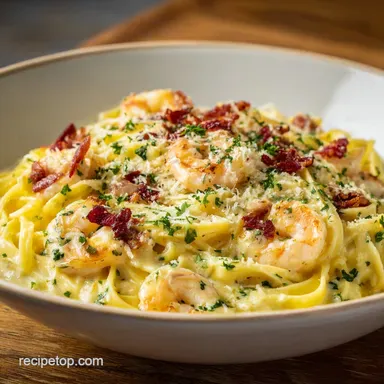
Chicken Shrimp Carbonara Recipe
Ingredients:
Instructions:
Nutrition Facts:
| Calories | 952 kcal |
|---|---|
| Protein | 70.8 g |
| Fat | 34.2 g |
| Carbs | 86.5 g |
| Fiber | 3.8 g |
| Sugar | 2.9 g |
| Sodium | 1380 mg |
