10-Minute Lemon Dill Salmon Recipe Delight Dinner
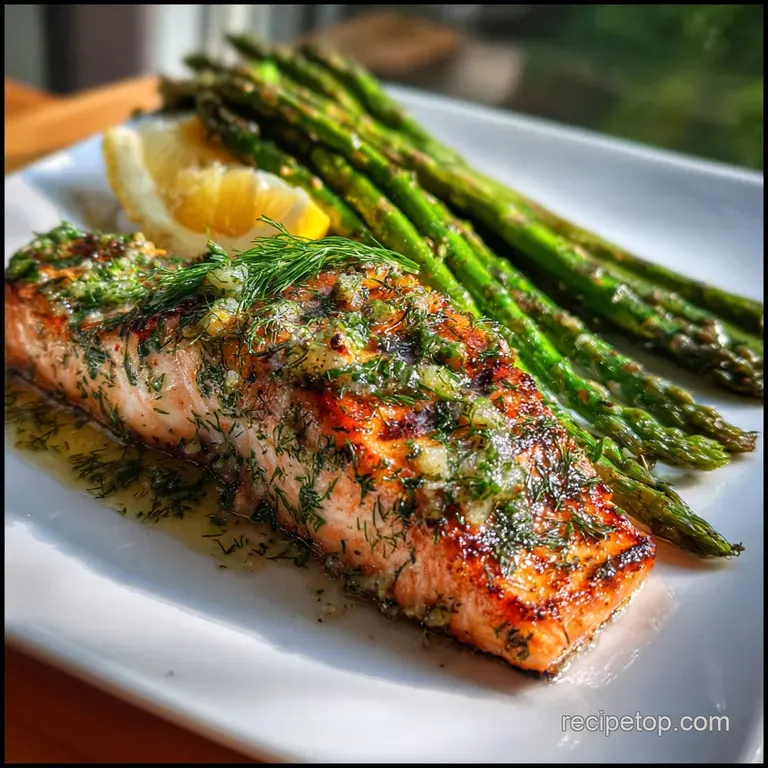
- Time: Active 3 mins, Passive 7 mins, Total 10 mins
- Flavor/Texture Hook: Flaky, velvety, and zesty
- Perfect for: Hectic weeknight dinners or a quick healthy lunch
- How to Master a 10 Minute Lemon Dill Salmon Recipe Delight Dinner
- The Thermodynamics of a Golden Crust
- A Component Analysis of Fresh Flavors
- The Essential Elements and Smart Swaps
- Professional Gear for a Fast Finish
- Step-by-Step Cooking Flow for Success
- Solving Common Kitchen Hurdles
- Simple Flavor Tweaks for Variety
- Debunking Common Kitchen Tales
- Storage Guidelines and Zero Waste
- Perfect Pairings for Your Dinner
- Recipe FAQs
- 📝 Recipe Card
How to Master a 10 Minute Lemon Dill Salmon Recipe Delight Dinner
The sound of cold salmon hitting a shimmering, hot pan is one of my favorite kitchen noises. It’s that sharp, aggressive sizzle that tells you a crust is forming and the fat is rendering.
I used to be terrified of cooking fish at home because I’d always end up with a dry, chalky mess or, even worse, the skin sticking to the pan like glue. This 10 Minute Lemon Dill Salmon Recipe Delight Dinner is the perfect way to get a delicious and easy meal on the table fast, and I’ve finally figured out the tricks to make it foolproof.
Honestly, we’ve all had those Tuesday nights where the thought of standing over a stove for an hour feels like a marathon. That’s why I leaned into this recipe. It’s quick, it’s punchy, and it uses ingredients that are probably already chilling in your fridge.
We’re going for a golden brown exterior and a center that just barely flakes apart.
You don’t need to be a professional to pull this off, but you do need to move with purpose. Since we only have 10 minutes from start to finish, the prep is everything.
Once that salmon hits the oil, the clock starts ticking, and the aroma of garlic and fresh dill will have everyone in the house wandering into the kitchen asking when we’re eating.
The Thermodynamics of a Golden Crust
Maillard Reaction: High heat triggers a chemical reaction between amino acids and reducing sugars, creating that savory, browned crust. This only happens effectively if the salmon surface is bone dry before it hits the pan.
Thermal Carryover: Salmon continues to cook for a few minutes after being removed from the heat. Pulling the fish at 52°C (125°F) ensures it reaches a silky 55°C (130°F) on the plate, preventing that dry, sawdust texture.
| Thickness | Internal Temp | Rest Time | Visual Cue |
|---|---|---|---|
| 2 cm | 52°C | 3 mins | Opaque sides, slightly translucent center |
| 3 cm | 52°C | 4 mins | Flakes easily with a fork at the thickest part |
| 4 cm | 52°C | 5 mins | Flesh pulls away from the skin effortlessly |
Finding the right balance between speed and texture is why this dish works so well for my family. If you love seafood but want a bite sized version for the kids, my Air Fryer Salmon recipe is a total winner for those even busier nights. But for a sit down meal, this pan seared version is the gold standard in my house.
A Component Analysis of Fresh Flavors
| Ingredient | Science Role | Pro Secret |
|---|---|---|
| Avocado Oil | High Smoke Point | Use this instead of olive oil to prevent bitter, burnt flavors at high searing temps. |
| Heavy Cream | Emulsifier | Binds the lemon juice and butter into a velvety sauce that won't break or separate. |
| Fresh Dill | Volatile Aromatics | Add this at the very end; heat kills its delicate, grassy flavor profile quickly. |
| Dijon Mustard | Stabilizer | Contains lecithin which helps hold the fat and acid together for a glossy finish. |
The key to this 10 Minute Lemon Dill Salmon Recipe Delight Dinner is high-quality fat. I used to try making this with just lemon juice, but it felt thin. Adding that splash of heavy cream and a pat of butter transforms the liquid into a proper sauce that clings to the fish rather than just puddling on the plate.
The Essential Elements and Smart Swaps
- 4 salmon fillets (170g each): Look for center cut pieces for even cooking. Why this? They cook at the same rate, preventing one piece from drying out.
- Substitute: Steelhead trout. It has a similar fat content and color but is often more affordable.
- 1 tbsp Avocado oil: This is your over high heat vehicle. Why this? It handles the 200°C+ pan temp without smoking you out.
- Substitute: Grapeseed oil or light olive oil (not extra virgin).
- 1 tbsp Unsalted butter: Adds richness and helps with browning. Why this? Controls the salt level while adding a nutty aroma.
- Substitute: Ghee for a higher smoke point or vegan butter.
- 2 cloves Garlic, minced: The aromatic base. Why this? Provides a savory depth that balances the sharp lemon.
- Substitute: 1/2 tsp garlic powder if you're in a massive rush.
- 1 large lemon: We use the zest for fragrance and juice for acidity. Why this? Fresh citrus "cuts" through the oily richness of the fish.
- Substitute: Lime works, though it leans more tropical and less "classic dill."
- 1/2 cup Fresh dill: The star of the show. Why this? Adds a cooling, herbaceous finish that defines the dish.
- Substitute: Fresh parsley or chives, though you'll lose that specific "dill" punch.
- 1/4 cup Heavy cream: For the "delight" factor. Why this? Softens the harshness of the lemon and creates a silky mouthfeel.
- Substitute: Full fat coconut milk (adds a slight nutty note).
- 1 tsp Dijon mustard: The secret bridge. Why this? Adds a tiny bit of "twang" and helps thicken the pan sauce.
- Substitute: Whole grain mustard for a bit of texture.
Chef Tip: Keep your salt in a small bowl. This allows you to pinch and sprinkle from a height, ensuring an even distribution across the entire fillet. It's a small change that stops you from getting one salty bite and three bland ones.
Professional Gear for a Fast Finish
You don't need a kitchen full of gadgets, but a heavy bottomed pan is non negotiable here. I prefer a 30 cm cast iron skillet or a high-quality stainless steel pan. These materials hold heat much better than thin aluminum, which means when you drop 680g of cold fish into the pan, the temperature doesn't plummet.
A fish spatula is another life changer. It's thin, flexible, and slotted, allowing you to get under the delicate skin without tearing it to pieces. If you're using a non stick pan, just make sure it's rated for medium high heat. Finally, an instant read thermometer is the only way to be 100% sure you aren't overcooking your dinner. For those nights when you want to switch up the protein, this sauce works wonders over a Baked Cod with recipe.
step-by-step Cooking Flow for Success
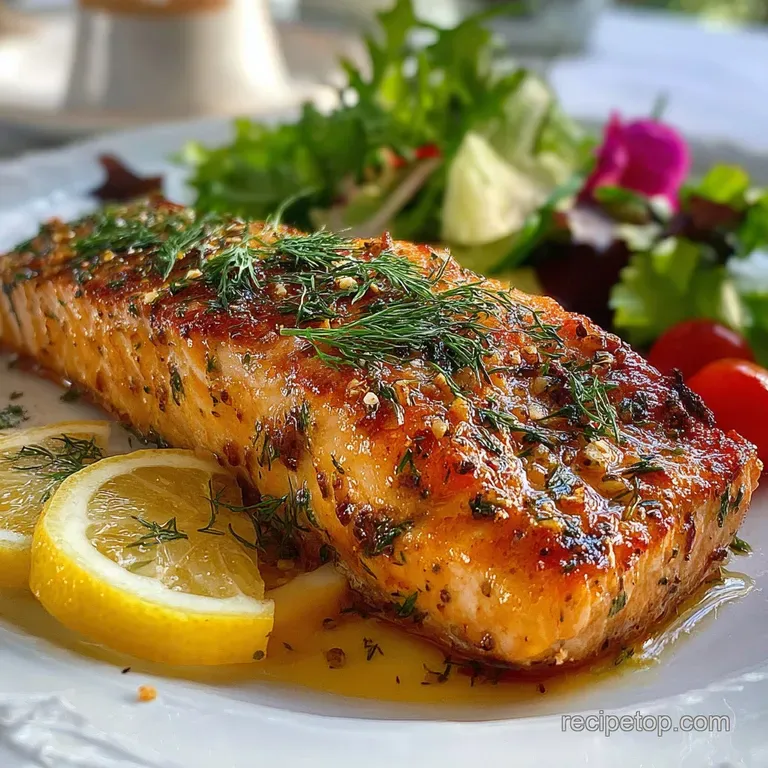
- Dry the fish. Pat the 4 salmon fillets with paper towels until the surface is completely matte. Note: Moisture creates steam, which prevents a crispy crust.
- Season generously. Sprinkle 1 tsp Kosher salt and 1/2 tsp cracked black pepper over both sides.
- Heat the pan. Add 1 tbsp avocado oil to the skillet over medium high heat until it shimmers and wisps of smoke appear.
- Start the sear. Place fillets skin side down (or top side down if skinless). Press lightly with a spatula for 10 seconds.
- Cook undisturbed. Let them sizzle for 4 mins until the edges turn opaque and golden.
- Flip carefully. Turn the fillets over and cook for another 2 mins.
- Create the base. Reduce heat to medium. Toss in 1 tbsp unsalted butter and 2 cloves minced garlic until they smell fragrant and nutty.
- Deglaze and emulsify. Pour in the lemon juice and 1 tsp Dijon mustard, scraping up any browned bits from the pan.
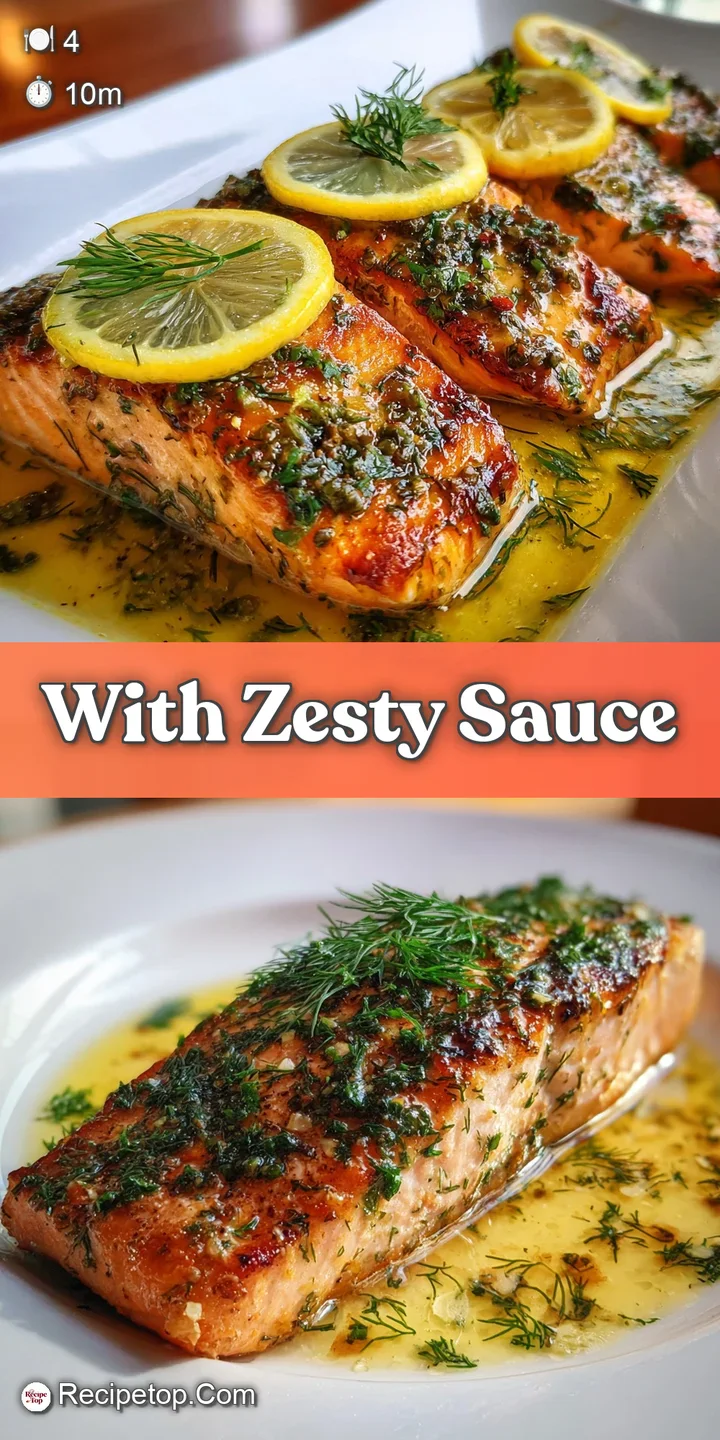
- Finish the sauce. Stir in 1/4 cup heavy cream and 1/2 cup fresh dill. Spoon the bubbling sauce over the fillets for 1 minute.
- Rest and serve. Remove from heat. Let the salmon sit for 2 mins until the sauce thickens slightly.
Solving Common Kitchen Hurdles
Why Your Salmon Sticks
If you try to flip the fish and it feels "stuck," it usually means the proteins haven't finished searing yet. This is called "release." When the crust is properly formed, the fish will naturally pull away from the pan. Give it another 30 seconds and try again.
Also, make sure the oil is truly hot before the fish goes in.
Avoiding the "White Gunk"
That white stuff is called albumin. It’s just protein that gets pushed out of the muscle fibers when they contract. While it’s harmless, it usually means the heat was a bit too high or the fish cooked too fast.
Reducing the heat slightly after the initial sear helps keep the interior temperature rising slowly.
| Problem | Root Cause | Solution |
|---|---|---|
| Tough/Rubbery Fish | Internal temp exceeded 60°C | Pull fish at 52°C and let carryover heat finish it. |
| Sauce is too thin | Not enough reduction | Simmer for 60 seconds longer before adding the cream. |
| Bland flavor | Under seasoning | Increase salt in the initial sear; it brings out the lemon. |
- ✓ Always pat the fish dry with paper towels (don't skip this!).
- ✓ Preheat the pan for at least 3 mins before adding oil.
- ✓ Don't move the fillets once they hit the pan until it's time to flip.
- ✓ Use fresh dill only; dried dill lacks the punchy citrus notes needed here.
- ✓ Let the salmon rest; this allows the juices to redistribute.
Simple Flavor Tweaks for Variety
Scaling this recipe down for two is easy just use half the ingredients and a smaller skillet. If you're scaling up for a crowd, I recommend searing the salmon in batches. Overcrowding the pan drops the temperature and you'll end up steaming the fish instead of searing it.
For the sauce, you can double it easily, but keep the lemon juice slightly lower (maybe 1.5x instead of 2x) and taste as you go, as acidity can become overwhelming quickly.
If you are cooking for a larger group, you might consider the Baked Lemon Dill Salmon Recipe approach. While the pan sear is superior for texture, baking is much easier for managing 8+ fillets at once. If you go the oven route, still make the pan sauce separately to drizzle over the top!
| Method | Time | Texture | Best For |
|---|---|---|---|
| Stovetop | 10 mins | Crispy crust, silky middle | Quick weeknight dinner |
| Oven Baked | 15 mins | Evenly tender, no crust | Large groups / Meal prep |
| Air Fryer | 8 mins | Maximum crispiness | Small portions / Singles |
Serving this over pasta? I usually whip up a quick Lemon Butter Pasta recipe to keep the citrus theme going throughout the whole plate.
Debunking Common Kitchen Tales
"You must cook salmon until it is completely opaque throughout." This is probably the biggest myth in seafood. If it's opaque all the way through while still in the pan, it will be overcooked by the time it reaches your mouth. Good salmon should be slightly translucent in the very center when you take it off the heat.
"Rinsing fish under water makes it cleaner." Please, don't do this. Rinsing fish just splashes bacteria around your sink and makes the skin soggy. A simple pat dry with a paper towel is all you need for a clean, safe, and crispy result.
Storage Guidelines and Zero Waste
Fridge: Store leftovers in an airtight container for up to 2 days. To reheat, do it gently in a pan with a splash of water and a lid on low heat. Avoid the microwave if you can, as it turns salmon into rubber very quickly.
Freezer: I don't recommend freezing the cooked salmon with the cream sauce, as the sauce tends to split when thawed. However, you can freeze raw fillets for up to 3 months if they are vacuum sealed.
Zero Waste: Don't throw away those lemon peels! After zesting, you can toss the squeezed lemon halves into a pot of water to simmer for a natural kitchen deodorizer.
If you have extra dill, chop it up and mix it into softened butter, then freeze it in an ice cube tray for a "compound butter" you can use on steaks or veggies later.
Perfect Pairings for Your Dinner
This 10 Minute Lemon Dill Salmon Recipe Delight Dinner is a powerhouse of flavor, so the sides should be simple. I love serving this over a bed of fluffy jasmine rice or some garlic mashed potatoes to soak up that velvety sauce.
If you want to keep it light, a quick cucumber salad with a vinegar dressing mimics the dill notes perfectly.
Another great option is roasted asparagus or steamed broccolini. The crunch of the greens provides a lovely contrast to the flaky, tender fish. Whatever you choose, make sure to spoon plenty of that extra lemon dill sauce over everything on the plate. It’s too good to leave in the pan!
- For a crunch: Try toasted pine nuts sprinkled on top.
- For a spicy twist: Add a pinch of red pepper flakes to the garlic.
- For a Mediterranean vibe: Toss in a tablespoon of drained capers with the lemon juice.
Recipe FAQs
Can I substitute chicken instead of salmon in this 10-minute recipe?
No, not without increasing the time significantly. Chicken breast requires a higher internal temperature (74°C/165°F) and takes longer to cook than salmon, easily pushing this beyond the 10-minute limit.
What is the secret to preventing the fish from sticking to the pan during the sear?
Ensure your pan is scorching hot before adding the oil and fish. The proteins need to seize immediately upon contact to form a crust that naturally releases from the metal surface; cold fish equals sticking.
How to ensure the salmon is perfectly cooked and not dry in under 10 minutes?
Pull the salmon off the heat when its internal temperature reaches 52°C (125°F). The residual heat, or carryover cooking, will bring it up to a perfect 55°C (130°F) while resting, ensuring a moist center.
Is it true that using dill stems instead of the fresh leaves ruins the flavor?
Yes, using stems heavily alters the flavor profile and texture. Stems are tough and carry a more pungent, slightly bitter flavor; stick to only the feathery, fresh dill leaves added at the very end of cooking.
How to make the pan sauce thick enough to coat the fish rather than being watery?
Reduce the initial deglazing liquid slightly before adding the cream. The combination of the Dijon mustard acting as an emulsifier and the fat in the heavy cream binds everything together into a velvety texture.
Can I use dried dill instead of fresh dill since I don't have any on hand?
No, you should not substitute dried dill for fresh here. Dried herbs are much more potent and do not provide the same bright, fresh aromatic lift required to balance the richness of the lemon butter sauce.
What side dish pairs well with this zesty salmon that is also fast to prepare?
Serve this with a quick grain or simple steamed vegetable. For a complementary flavor profile that moves fast, try making a batch of our healthy mediterranean chickpea recipe for a fresh, no-cook side.
10 Minute Lemon Dill Salmon
Ingredients:
Instructions:
Nutrition Facts:
| Calories | 358 kcal |
|---|---|
| Protein | 35.2 g |
| Fat | 21.8 g |
| Carbs | 2.9 g |
| Fiber | 0.4 g |
| Sugar | 0.8 g |
| Sodium | 495 mg |
