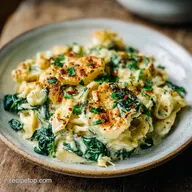
Comforting Cottage Cheese Pasta Bake Dinner Recipe
Uses a blend of herbs and garlic to create a classic pasta dish that hides the cottage cheese within a bubbly, baked cheese layer for a family dinner.
garlic herb sauce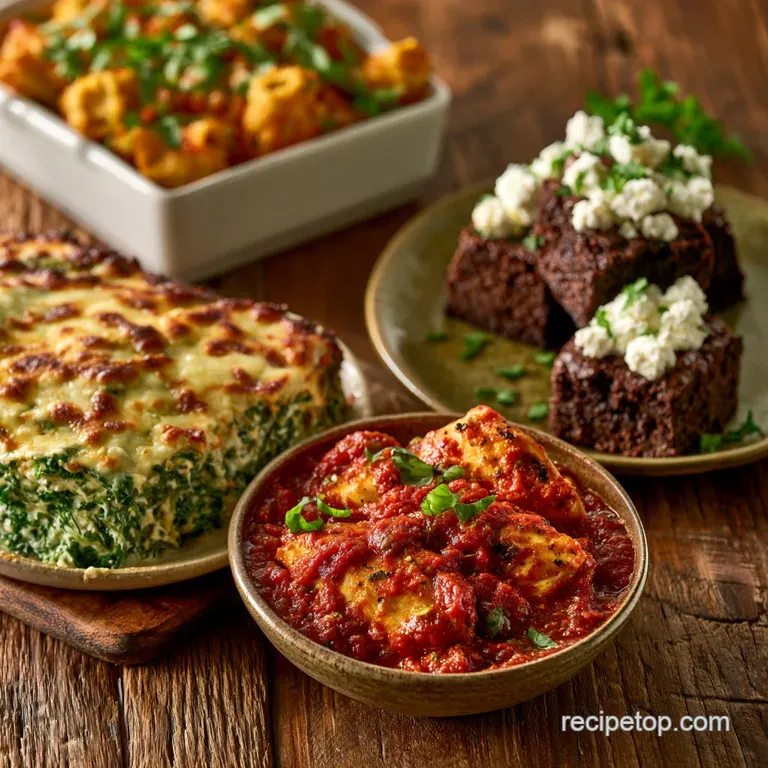
Cottage cheese has moved beyond the diet plate to become a versatile ingredient for protein-focused cooking. Its ability to create a smooth texture in sauces or provide a dense base for desserts makes it a kitchen staple for those looking to increase protein intake.
Whether you're baking a pasta dish for the family or whipping up a quick post-workout meal, these recipes show how the curd texture blends away to create satisfying results. Using cottage cheese in both savory and sweet contexts is a simple way to boost nutrition without needing heavy creams or extra fats.
Baking cottage cheese into pasta dishes creates a smooth, melted consistency that mimics traditional ricotta or bechamel sauces. These recipes are ideal for feeding a group while ensuring every serving contains a significant amount of protein in a familiar comfort food format.
Uses a blend of herbs and garlic to create a classic pasta dish that hides the cottage cheese within a bubbly, baked cheese layer for a family dinner.
garlic herb sauceThis version adds fresh spinach for extra greens, creating a protein-focused meal that maintains a smooth texture without the need for adding heavy creams.
spinach and garlicThese options focus on speed and versatility, using cottage cheese as either a fresh base for savory toppings or a dense ingredient in baked goods. By blending the curds or pairing them with bold seasonings, you can enjoy high protein meals and snacks in under 40 minutes.
Inspired by classic chicken parmesan, this quick bowl uses cottage cheese as a protein base that mimics the richness of melted mozzarella for a fast lunch.
15 minute mealThese bowls focus on fresh ingredients for a fast dinner that prioritizes high protein content and volume with minimal cooking steps required for a busy evening.
meal prep friendlyThis dessert uses blended cottage cheese to achieve a dense, moist-crumbed texture that provides a protein boost while satisfying a chocolate craving after a meal.
fudgy texture| # | Recipes | Best For | Time | Difficulty | Method |
|---|---|---|---|---|---|
| 1 | Comforting Cottage Cheese Pasta Bake | family dinner night | 45 min | Easy | Baking |
| 2 | Protein Cottage Cheese Pasta Bake with Spinach | adding extra greens | 40 min | Easy | Baking |
| 3 | Chicken Parm Cottage Cheese Bowl | fast post-workout lunch | 15 min | Beginner | Assembling |
| 4 | Healthy Cottage Cheese Dinner Bowls | minimal cooking effort | 35 min | Beginner | Assembling |
| 5 | Fudgy Cottage Cheese Brownies | satisfying sweet cravings | 38 min | Easy | Baking |
Discover more curated recipe collections
Explore more recipe collections →